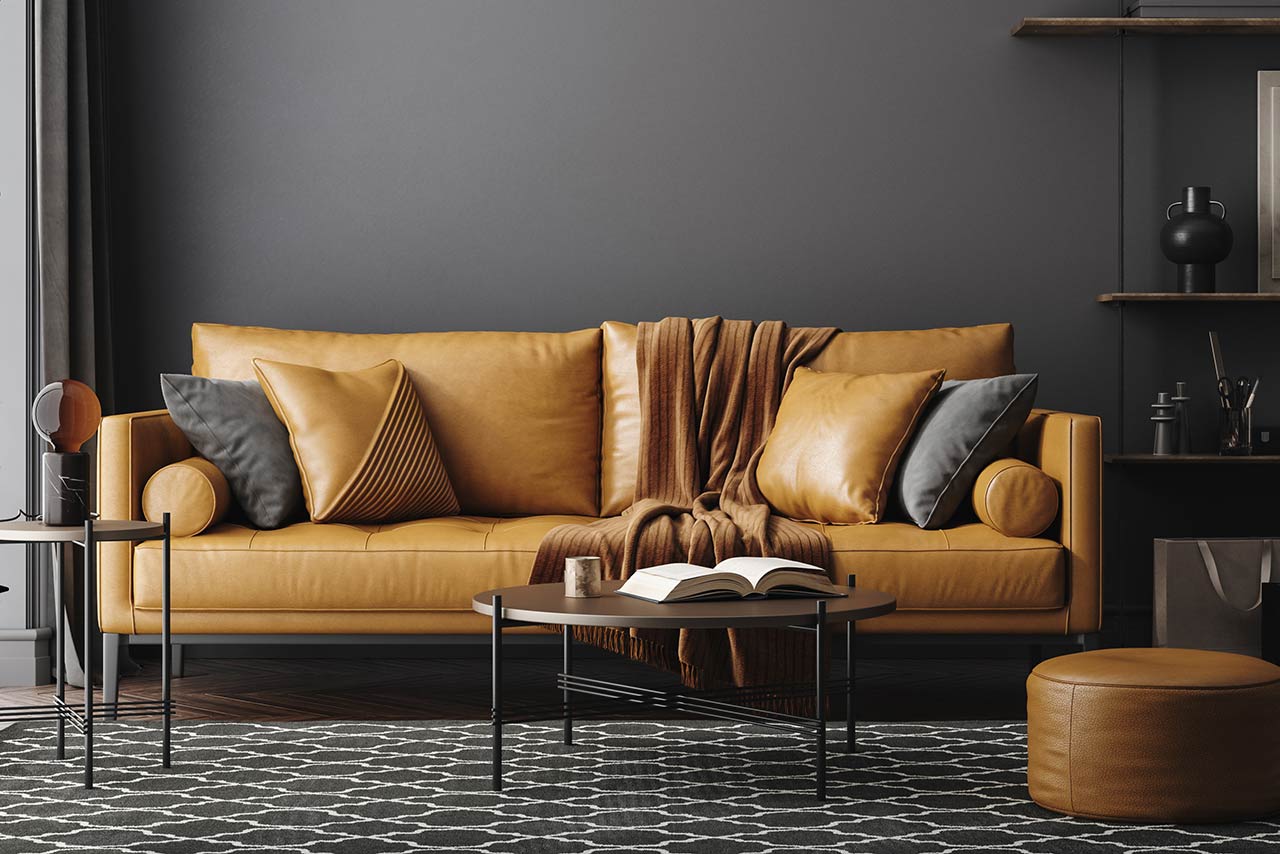
Are you wondering what you need to do to give your house the best chance possible of selling quickly? While there are many things you can do to improve the look of your home, you likely don’t want to spend a fortune doing so. Here are some ways you can spruce up your home without emptying your bank account.
Use Some Elbow Grease
It can be tempting to replace everything from windows to shower curtain rods when you’re preparing to sell. However, often a bucket of soapy water and a sponge can make those items brand new. Spend time scrubbing every surface of your house to distinguish what needs to be replaced from those things that are simply dirty. Spend a weekend thoroughly cleaning your appliances, baseboards, and every surface in every room well in advance of putting it on the market.
Invest in a Storage Unit
Professional home stagers will generally first recommend homeowners eliminate clutter. This usually involves removing as many items as possible from each room to provide a clean appearance. If you can’t store items with a relative or friend until your move, shop around for an affordable storage unit large enough to hold your items and start filling it up with items from your home. Look at each room of your house and remove excess furniture, as well as personal items like family pictures and knickknacks. Professional stagers recommend you decrease the possessions in your home by at least 50 percent to be most effective.
Focus on First Impressions
Curb appeal is essential to selling your home. As a buyer browses through photos on real estate listing sites, that first photo determines whether or not he’ll click through to see more. Your real estate agent will probably use the photo of the front of your home as that primary photo, which means it needs to be as compelling as possible. Change out the landscaping at the front of your house to make it pop. You should also paint shutters, trim, and your front door if they need it. Once your house is on the market, be sure you keep your yard maintained on a weekly basis, especially if you’re selling during the time of year when grass grows fairly quickly.
Study the Experts
Professional stagers have a variety of tools they use to spice up a home, but you don’t have to bring in an expert to utilize their expertise. Tricks like moving furniture away from rugs, adding lighting, and grouping objects in odd numbers can make a big difference in the way a room looks. Try to see your home objectively and move items from one room to the next until you find the perfect look for each room of your home.
If you’re thinking about selling your home, staging can make a big difference in how quickly it sells. Study other homes on the market and look around your own house to find ways you can spruce up each room to help your house find a new family.
https://www.inesnegrete.com/wp-content/uploads/sites/3/2023/05/article-staging-featured-052123.jpg7201280adminhttps://www.inesnegrete.com/wp-content/uploads/sites/3/2026/07/ines-negrete-realtor.pngadmin2023-05-21 21:57:432023-05-21 21:57:43Selling Your House? 4 Tips for Staging Your Home on a Budget
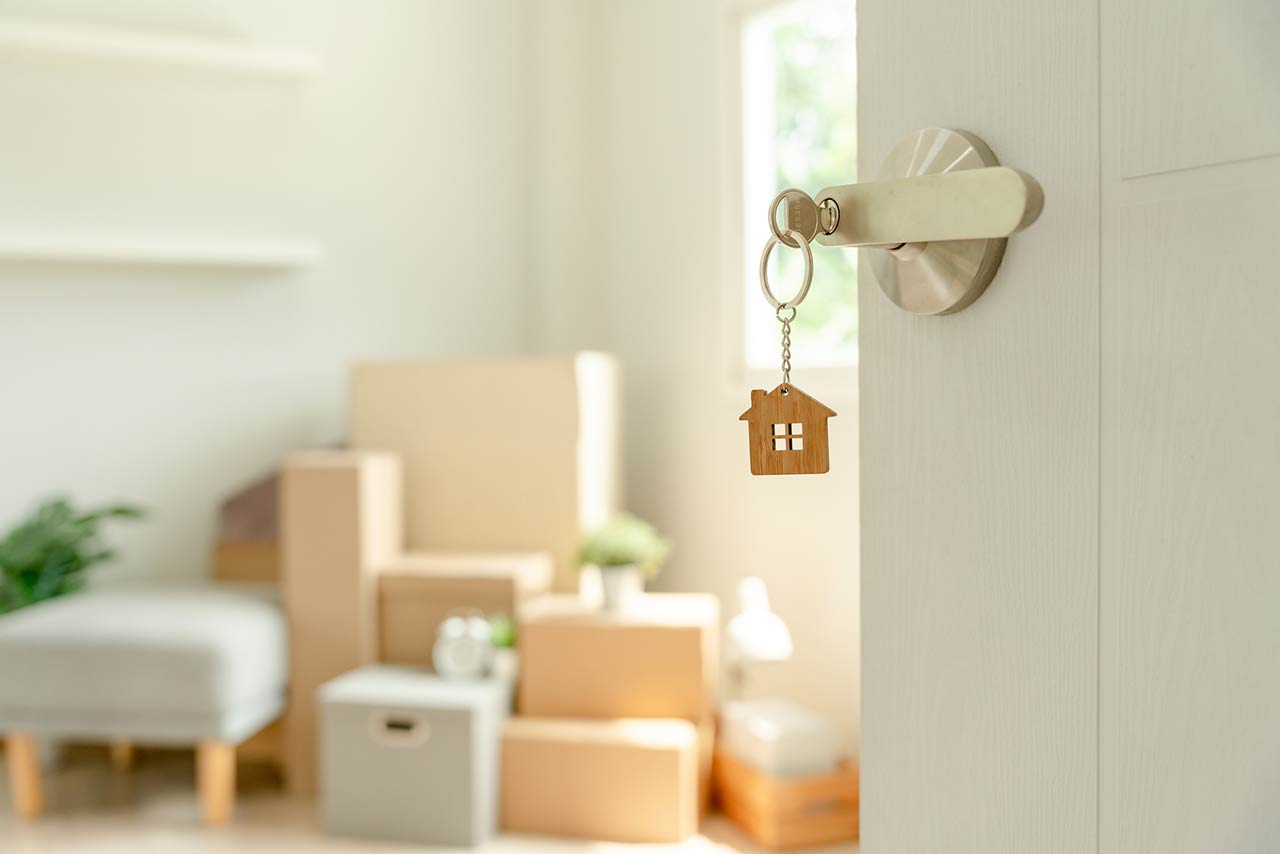
Whether you’re moving across town or across the country, the experience seems to be equally stressful. As difficult as packing and dealing with utility companies are, though, one of the biggest challenges is living for weeks while surrounded by boxes.
When you’re standing in the center of your house, surrounded by boxes, it can feel extremely overwhelming. By following these tips you can remove some of the pain from the experience and start enjoying your home more quickly.
Unpack the Essentials
Once the moving van is gone and you’re ready to tackle the task of unpacking, the first thing you’ll need to do is get your essentials unpacked. You’ll need somewhere to sleep, so set up your bed and unpack your bedding. Once you’ve ensured you’ll have a place to sleep that first night, think of what you’ll need for the next day or two. Bath towels and toiletries, kitchen basics like cups and plates, and crucial items like medications should be unpacked the first day.
Schedule Unpacking Time
You can approach unpacking more than one way, depending on your own personal preferences. If you’ve taken time off of work, you may want to work day and night to get everything in place so you can return to work, worry free, the following week. However, some people prefer to schedule time each day to work on unpacking things and getting them set up. This way you can enjoy your new home while also feeling like you’re making progress.
Host an Unpacking Party
You’d be surprised how alluring the promise of beer and pizza is to those in your social circle. Even if your friends are more the “cheese and wine” type, you can invite them over for a fun unpacking party. Before the party, set boxes up where you’ll want the items to be unpacked to make it as easy as possible to tell your friends where to put things. Avoid asking friends and family to move heavy furniture or lift heavy boxes. Instead turn over tasks like unpacking books onto bookshelves or lining your kitchen shelves.
Remove Boxes
The worst part of those early weeks in a new house is the boxes. To help reduce the clutter, break down each box as you empty it and move it to a designated location, such as a garage or attic. When you’re ready to recycle those boxes, you’ll be able to pull them all out as a group. As you empty each box and remove it, you’ll be better able to see how much unpacking remains. You’ll also be able to easily navigate throughout your house without tripping over boxes.
Moving into a new home can be extremely exciting. It’s important to find a way to enjoy the experience without letting stress take away from that. If that means setting your unpacking aside for a few days to enjoy a glass of lemonade on your new front porch, give yourself permission to do just that. There’s no “right way” to handle a move, just various methods that work better for some people than others.
https://www.inesnegrete.com/wp-content/uploads/sites/3/2023/05/article-unpacking-featured-051423.jpg7201280adminhttps://www.inesnegrete.com/wp-content/uploads/sites/3/2026/07/ines-negrete-realtor.pngadmin2023-05-14 19:12:532023-05-14 19:12:53Just Moved In? 4 Ways to Make Unpacking As Painless As Possible
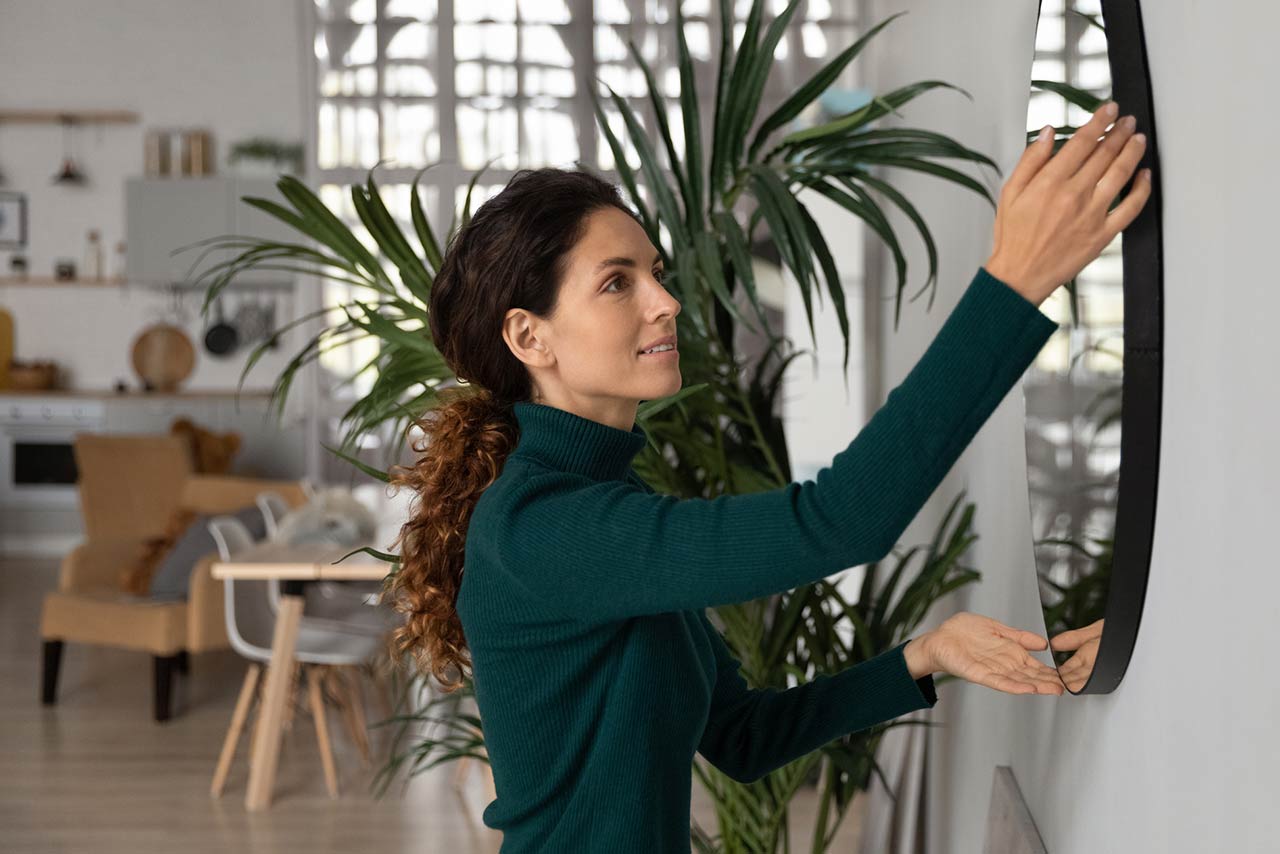
Imagine a world without mirrors. You would have no way to check your appearance before leaving the house every day. You’d be forced to conduct routine grooming activities without the benefit of a clear reflection. But most importantly, your home would look very different than it does today—especially the bathroom. Through strategic placement, you can use mirrors to open up your rooms and create a more contemporary look. Here are a few ways you can use mirrors throughout your house.
Increase Light
More than ever, homes are being built to enhance lighting in as many rooms as possible. Open floor plans and large windows bring sunlight into major living areas, making spaces feel open and bright. Unfortunately, not all homeowners can afford to buy a new house, finding themselves forced to deal with a home with few windows and walled-off rooms. Even in an open-plan home, there can be dark spots, including in hallways, foyers, and small bedrooms.
With the right placement, mirrors can reflect natural sunlight, making a dark space look much brighter. Simply find a window and place the mirror directly across from it. If the window is on the wrong wall, either a floor mirror or a movable wall mirror can be positioned to reflect the sunlight at an angle. If you’re dealing with a windowless room, place the mirror across from a light-painted wall or lamp to mimic the effect.
Grow a Room
You may not realize it, but mirrors naturally increase the size of a room, creating an optical illusion of extra square footage. Mirrors have become especially popular in the kitchen in recent years, serving as a great way to improve the appearance of backsplashes and cooking areas.
A large mirror is best for adding space to a room, but those can be extremely expensive. You can instead group smaller mirrors together on one wall in a gallery-like fashion. If you’re on a budget, you may find it easier to find small, matching mirrors at a discount at thrift stores and consignment shops.
Gain Visibility
Having your back to the room behind you can be disconcerting. Feng Shui experts find that many people have difficulty concentrating if the door is behind them. However, while you may be able to set up a desk in an office to face the door, there are instances where facing the wall is the only option. A desk may have been built into a wall or a corner may be the only option for office setup. In the kitchen, you probably find that you’re often facing a wall as you cook and wash dishes.
When a room requires a person face the wall, Feng Shui experts recommend placing a mirror that provides visibility at al times. The mirror will help overcome the distraction that comes from not being able to see behind you.
Mirrors are a great addition to every room of the house. Whether you’re dealing with low lighting, small rooms, or unfortunate seating positioning, a mirror can make a big difference in resolving any issues you have.
https://www.inesnegrete.com/wp-content/uploads/sites/3/2023/05/article-mirrors-featured-050723.jpg7201280adminhttps://www.inesnegrete.com/wp-content/uploads/sites/3/2026/07/ines-negrete-realtor.pngadmin2023-05-07 21:59:292023-05-07 21:59:293 Tips for Using Mirrors to Improve Your Rooms
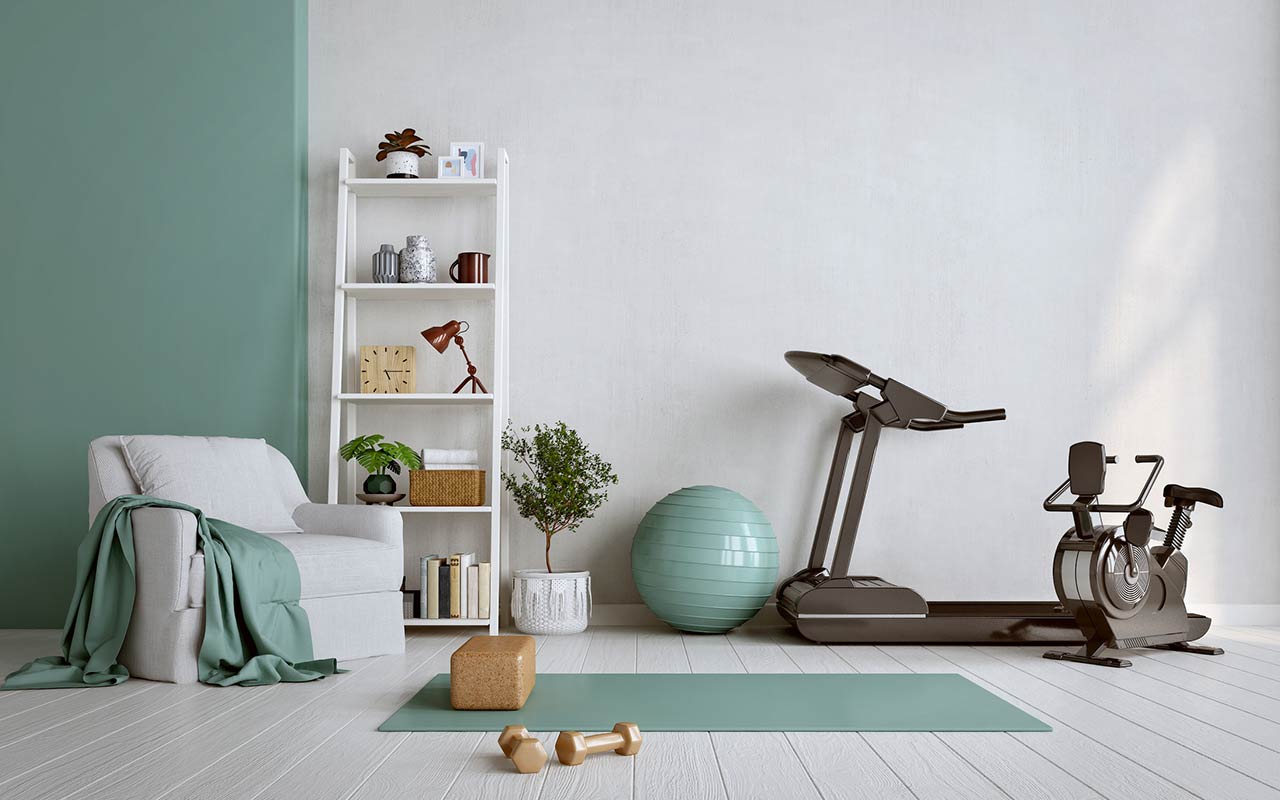
Staying in shape is as important as creating an attractive house. The cost of a gym membership can add up over time, with monthly membership fees adding up to hundreds of dollars each year. For the same price, a homeowner can begin purchasing workout equipment, building a home gym that offers the convenience of working out without leaving the house.
The challenge is creating a home gym that’s attractive. This is especially true if you’re working with limited space, taking away the possibility of dedicating an entire room to your gym. Here are a few things you can do to make a home gym more appealing.
Use Mirrors
If you’ve set an entire room aside for your home gym, mirrors can make a big difference. Commercial gyms use full-length mirrors to allow weightlifters to make sure they have the right posture and form as they lift barbells and hand weights. Your full-length mirrors will provide the same motivation, as well as improving the Feng Shui of the room, especially if you place one opposite a window.
Use Your View
If you’re lucky enough to have a view, take full advantage of it by positioning your equipment to face it. This is especially true if your view involves scenery like mountains or water. If you have a pool or hot tub, you can place your gym facing in that direction to create a recreational-type flow. This gym is a high-end demonstration of how placement can create a flow that makes a home gym feel more natural.
Hide It Away
If you’re living in a small space or don’t have a room that facilitates a home gym, there are options that will allow you to maintain your décor while still working out at home. Foldaway treadmills and stationary bicycles can be stored safely in a corner, where they’ll be out of the way when guests visit. You can also turn a small room, garage, or basement into a gym and your guests never even have to know about it unless you want them to.
Use the Great Outdoors
If you’re fortunate enough to live in an area with decent weather most of the year, an outside gym may work. This is especially ideal for areas with moderate temperatures or warmer areas where workouts can be done in early morning or evening hours. If you don’t have a covered porch, consider building an overhang that will protect your equipment from the elements. If you work your outdoor gym in with clever landscaping, you can make it enhance your back yard rather than take away from it.
A home gym offers the convenience of working out at home while also saving the cost of a monthly gym membership. If you carefully plan your gym, you can create an area that will provide the workout experience you need while also adding to the charm of your home. Whether you choose your back yard, garage, or a room inside your home, you can create a gym that will fit your own unique style.
https://www.inesnegrete.com/wp-content/uploads/sites/3/2023/04/article-home-gym-featured-043023.jpg7201280adminhttps://www.inesnegrete.com/wp-content/uploads/sites/3/2026/07/ines-negrete-realtor.pngadmin2023-04-30 17:29:052023-04-30 17:29:05Clever Ideas to Make a Home Gym Attractive
Nothing can compare to the gratification that comes from successfully completing a home remodeling project yourself. Whether you’re retiling your bathroom or finishing a basement, there are many things you can accomplish yourself with hard work and determination.
However, there are a few things you should avoid trying to do yourself, whether for your own safety, your own sanity, or a combination of both. Here are some instances where you should seriously consider bringing in a professional before tackling a job yourself.
Electrical Wiring
Of all of the home remodeling projects you can turn over to a professional, electrical work is the most important. Attempting to do this work yourself can lead to serious injury and even death, so it’s extremely important to bring in a professional. A skilled electrician will also ensure the job is done correctly, which will reduce the risk of a fire and keep your utility bills low.
Plumbing
When your bathroom or kitchen remodel involves plumbing work, you’ll likely regret it if you try to do it yourself. You may think you can simply follow along with a do-it-yourself video or website article, but in truth, professionals have trained for years to do this kind of work. If your pipes aren’t fitted correctly, you could end up with a slow leak, causing your pipes to freeze in the winter and eventually break. When it’s time to reroute the plumbing during your remodeling project, call in a professional and save yourself future headaches.
Home Additions
If you’re adding a room onto your house, you could get yourself in hot water if you don’t work with a professional contractor. Contractors can handle securing the permits you’ll need to get the work completed and they’ll ensure the work follows local codes. This is important if you ever plan to sell the house, since potential homebuyers will want to see evidence that the work was done properly. It will also keep you in good standing with your homeowners association, if you have one, since they’ll know the work is being done correctly. Most importantly, you’ll have the peace of mind of knowing the construction will hold up over many years of use.
Tree Removal
Homeowners usually remove trees for a couple of reasons. The primary motive for removing a tree is that it has become damaged during a storm. However, trees can also be removed as part of a home remodeling project, especially when a deck or extra room is being added. It can be tempting to get out the chainsaw and cut the tree down yourself. However, this can be dangerous. Professional tree trimmers wear protective gear and use the right equipment to safely take a tree down. When you hire a professional tree-trimming service, you’ll stay safe and you’ll know the job will be done correctly.
The Bottom Line
While there are many home remodeling projects you can handle yourself, there are some jobs you should leave to the professionals. Make sure you thoroughly research local providers before choosing one and get more than one bid to make sure you’re getting the best deal possible.
https://www.inesnegrete.com/wp-content/uploads/sites/3/2023/04/article-remodeling-projects-featured-042323.jpg7201280adminhttps://www.inesnegrete.com/wp-content/uploads/sites/3/2026/07/ines-negrete-realtor.pngadmin2023-04-23 22:06:542023-04-25 23:45:394 Home Remodeling Projects You Shouldn’t Do Yourself
As consumer demand for fresh, affordable produce has risen, more homeowners than ever have become interested in growing their own. But with homes so tightly packed together in newer neighborhoods, finding space to design and nurture a garden can be challenging.
With a little creativity, however, you can grow fresh fruits and vegetables in your own back yard. Here are some great ideas for creating a winning garden in limited space.
Grow Upward
Some types of crops require extra space, but there are still plenty of options available. Even in a small area, some crops can thrive through the use of trellises and stakes. Tomatoes and peas grow upward rather than outward, making them ideal for limited square footage. Peas will need a trellis with a height of approximately three to four inches, while tomatoes require a tall stake to anchor them as they grow.
Zucchini and yellow squash can also be grown in a small space, since their growth can be driven up a trellis. You’ll just need to tie each individual item to the trellis by its stem to make sure it has the support it needs as it grows.
Grow in a Window
You don’t even have to go outside to grow some types of vegetables. Items like tomatoes, peppers, and eggplant can be grown indoors, using the sunlight coming through a window. To effectively grow vegetables indoors, you’ll need a window that gets at least six hours of sunlight on a daily basis. You can use window boxes or hanging baskets to contain your vegetables as they grow. With the type of vegetables that grow upward, you may need to situate your boxes next to a trellis or stake as an anchor.
Ideal vegetables for indoor gardening include bush beans, bush and patio tomatoes, carrots, peas, spinach, radishes, and scallions. Indoor vegetables may not have the strength of flavor as those you plant outdoors, so be aware of this before choosing this option.
Grow Container Vegetables
Some vegetables can be grown in a small area like a patio, deck, or balcony. Called container gardening, this type of cultivation allows you to grow vegetables in a very limited space. Ideally, your containers should be placed in an area that gets at least six hours of direct sunlight a day. Vegetables like tomatoes and peppers should be situated in an area with plenty of air circulation to prevent disease.
To ensure your vegetables flourish, you’ll need a container with plenty of room for the plant to grow, while also having holes that allow excess water to run off. As a general rule, each pot should be at least 10 inches wide and 12 inches deep. An oversized pot or large container such as a bucket would work perfectly.
You don’t need to have a five-acre piece of land to grow delicious vegetables. Using these tips, you can set up a garden in a small space and enjoy fresh vegetables throughout the year. Experiment with different types of gardening and plant options to find the right combination for your own space.
https://www.inesnegrete.com/wp-content/uploads/sites/3/2023/04/article-gardening-featured-041423.jpg7201280adminhttps://www.inesnegrete.com/wp-content/uploads/sites/3/2026/07/ines-negrete-realtor.pngadmin2023-04-17 14:35:032023-04-25 23:45:473 Ideas for Gardening When You Have a Small Yard
Buying a house is a huge financial step, and is one you need to take with careful consideration. It’s the quintessential American dream, but can quickly turn into a nightmare if you don’t do your due diligence. Typically, it’s new home buyers that tend to experience the worst nightmares because they simply overlook the fine print.
Understanding the mistakes that can be made during the buying process can help you build financial security without getting sunk into a money pit.
Here are 5 common mistakes new home buyers make that you should be aware of and avoid.
1. Skipping the Mortgage Pre-Approval
One of the first mistakes newbie home buyers do is fail to get pre-approved for a mortgage. First of all, getting pre-approved will give you a ballpark figure of what you can comfortably afford. There’s no sense in pounding the pavement in search of your dream home if you can’t afford the one you decide to buy. You’d be unpleasantly surprised to put an offer in on a house, only to be turned down by the bank because your finances won’t cover the costs of the home.
Not only that, but consider the seller’s point of view in the whole scenario. Let’s say the seller’s got a few bids on the property, and is in a position to sift through and compare them all. How will your offer stack up? If you tell the seller that you’ve been pre-approved for a mortgage, you might be a safer bet. If you don’t, you might be a risky bidder. Some sellers might even refuse to consider your offer at all unless you’ve got a pre-approval document from your lender. Even if the seller picks your offer, you might not be able to get as much financing as you would have hoped when you actually go through the loan application process.
At the end of the day, a pre-approval will paint you in a better picture to a seller. During this process, your lender will verify your finances and credit to see how much the bank is willing to loan you.
2. Foregoing the Home Inspection
When you’re putting up a lot of money to buy a house, you can’t just rely 100% on what the sellers and their realtor tell you about the home. Sure, they’re liable for providing you with a disclosure of everything they know that might be wrong, but even the sellers themselves might be in the dark about problems that are lurking behind the walls.
For this reason, you absolutely need to get the home inspected before you close the deal. If you skip this important step, you leave yourself vulnerable to being stuck with a home with foundation problems, mold, plumbing issues, asbestos, and hoards of other potential issues. As much as you might be attracted to the home, it could turn into a liability when everything is said and done.
Make sure that your offer is conditional upon a home inspection being conducted and passed. Make sure that you agree on what will be checked, which can (and should) include the foundation and structure, plumbing, electrical, heating and air conditioning, and mold or pest infestation.
You’d be wise to make sure the inspector is licensed and reputable. While the inspector might not necessarily be able to detect every major problem with the home, it’s definitely your first line of defense against getting stuck with a home that will cost you tons of money in repairs.
3. Getting Emotionally Attached to a House
Being in love can be an amazing thing, but it can also be a bad one, especially when your emotions are vested in the wrong thing. If you happen to stumble upon your dream house, you need to use extra caution.
First of all, if you happen to set your eyes on a home that other buyers have on their radar, you may be competing with them. If you find yourself in the middle of a bidding war, you could wind up losing out on the home altogether, or you could be snuffed out by someone else who has more money and all the right criteria that the seller expecting. You’ll be left heartbroken when you don’t walk away with the keys.
On the other hand, you just might be the one to sign on that dotted line of a purchase agreement. There are many times when the house you think is the one for you is actually one you should have walked away from. No matter how many times friends or family warned you about the place, you still might end up going ahead and sinking your teeth into it.
Think about how you’ll feel about the house after the ‘honeymoon’ period has come and gone. You might decide to overlook a property’s quirks now, but there’s a good chance you could suffer buyer’s remorse after the deal is sealed and you’re stuck with a super-small kitchen or no backyard.
When you’re in the market to buy a house, make sure you do your best to keep a cool head during the entire process so you do the thinking and decision-making with your logic instead of your emotions.
4. Not Thinking About Resale Value
You’re in the market to buy a house, not sell, so why would you even think about selling in the future? Simple. You just never know what the future holds, and don’t want to feel like you’re stuck in your home just because you won’t recoup much money after you sell.
You might get a job transfer, marry someone from the opposite end of the country, or simply can’t afford to keep up with your current mortgage payments. Whatever the case may be, you want to be able to ensure that your house can sell for a decent amount that you can then put towards another home.
This isn’t just a place where you live – it’s an investment. You’d be mistaken not to consider the resale value of the property. Consider the preferences of other home buyers. Maybe this means buying a home that has 3 bedrooms, a decent backyard, or a 2-car garage. It also helps to know if there are loud train tracks close by, or if developers plan on improving the neighborhood in the near future, which could boost the property’s value soon after purchasing.
5. Not Using a Real Estate Agent
If you’re serious about buying a home, do yourself a favor and hire an experienced real estate agent. These experts can give you invaluable advice about buying property, and can keep you from making a huge mistake. They can help steer you in the right direction about where to find the right property, and will use their sharp negotiating skills to help get you the best price possible and ensure you never overpay.
Realtors will help you navigate the complicated waters of purchase agreements, and will make sure you’re fully protected before you sign on the dotted line. All the services they provide come without the price – it’s generally the seller that flips the bill for both the seller and buyer agent.
A lot of first-time home buyers think they’re making all the right moves, but they still aren’t familiar with what can be a complex home buying process. Rather than taking a chance, use your better judgement and get acquainted with a real estate agent who can help you migrate through the buying process and avoid some seriously costly mistakes.
https://www.inesnegrete.com/wp-content/uploads/sites/3/2023/04/article-home-buyer-mistakes-featured-040923.jpg7201280adminhttps://www.inesnegrete.com/wp-content/uploads/sites/3/2026/07/ines-negrete-realtor.pngadmin2023-04-09 20:28:372023-04-25 23:45:55New Home Buyer? 5 Mistakes to Avoid
The number of people who work from home is increasing each year, with up to 30 percent of people working from home. That number is expected to increase over the coming years as businesses grow more open to the idea of allowing employees to work from home at least part of the time.
For workers, however, this poses a new dilemma. Not every home or apartment has an extra room just waiting to be converted into a home office. Professionals can set up a laptop at the kitchen table or work from a recliner, but to be most productive, many workers need a dedicated area. With a little creativity and a few simple modifications, you can set up a work area even when space is limited.
Find a Nook
The best place for a home office is a small private nook. You don’t have to live in a large house to have a small area that’s set off of a larger room. Nooks can be the perfect area to build or place a small desk and chair, offering you privacy without taking up space in the room around it. Even an area with bay windows can make a great place to put a desk. Look around your house for any recessed areas, keeping in mind the importance of good lighting.
Pick a Corner
Corners are also a great place for a desk, giving you a cozy, somewhat private area in which to work. If you use a traditional desk, however, you’ll have a great deal of wasted space between the desk and the area where the two walls meet. Instead, consider shopping for corner desks that will go as far into the corner as possible. These desks will make sure every square foot of your desk can be put to use. You could also use a desk on one wall and an extension on another that has shelves and drawers for extra storage.
Hide Your Desk
For years, secretaries have provided a handy desk for letter writing. Today’s secretaries offer both beauty and functionality to your rooms, allowing you a handy place to work while also letting you hide that place when you aren’t using it. Just pull a chair up to the secretary desk when you’re ready to work, set up your laptop, and get started. As you’re shopping for secretary desks, keep in mind that you need to find one that’s sturdy enough to handle the weight of your laptop.
Get Creative
This creative home office shows how a small section of a sunroom can be put to use as an office. A little shelving and some curtains can turn any space in your home into an office. With the use of curtains, you can also use bins or racks beneath to store extra paperwork or office supplies.
If you’re still working from your kitchen table, consider setting up a small, dedicated home office. You’ll be more productive when you have an area of your home set aside for work and your family can enjoy meals without having to clear away your folders and notepads.
https://www.inesnegrete.com/wp-content/uploads/sites/3/2023/04/article-home-office-featured-040323.jpg7201280adminhttps://www.inesnegrete.com/wp-content/uploads/sites/3/2026/07/ines-negrete-realtor.pngadmin2023-04-03 15:48:172023-04-25 23:46:04Working from Home? 4 Ideas for Creating a Home Office in Limited Space
Location, location, location. It’s the crux of real estate. But when it comes to buying a home in a new neighborhood, there are other factors to consider in addition to the location itself.
If you’re planning on sticking around your new neighborhood for the long haul, or want to raise a family in a good area, you’d be well-advised to do some homework and research on the community you’re contemplating. A bunch of factors go into figuring out of the desirability of a specific house and the community it’s in.
So how do you know if the neighborhood you’re looking at is right for you?
Ownership Rates Are High
Neighborhoods that have a much higher proportion of owners compared to renters are considered much more stable. Of course, there are exceptions to this rule, such as the high percentage of renters in downtown New York City or San Francisco. But for the most part, if the neighborhood you’re looking at features more owners than renters, it’s a good sign of a stable area.
Not only that, but owners tend to take better care of their properties. After all, they own them, and obviously have a much higher vested interest in the properties. Your realtor will be able to provide you with these types of stats for areas you’re looking at.
Properties That Retain Their Market Value
Certain neighborhoods hold home value better than others, which was evident during the most recent housing crash. Areas where property values remained relatively stable during these trying economic times are more likely the types of areas you want to call home.
Even if you plan on living there forever and have no intention of selling for a profit, it’s still nice to be able to build equity in your home from appreciation alone. You can find information like this from historical sale prices from your county’s tax records office, or else your realtor will be able to provide you with such important info.
It’s a Decent Commute to Work
Houses that are situated nearby major city centers and big employers are in high demand. Especially these days, younger professionals are a lot less likely to want to drive far to work compared to previous generations. The closer the neighborhood is to these business hubs, the better.
Neighborhood Schools Are Rated High
If you have kids, you want to make sure the school within your district is a good one with a healthy reputation. The local school district is typically an important factor to consider when purchasing a house.
Even if you don’t have kids, schools make a big difference for many buyers, who will be more likely to pay more to get into the best school district. This will be a vital factor if you plan on selling some time in the future.
Public Transit is Readily Available
If you can easily and quickly get to a bus stop or subway line, thats good news. Properties with easy access to public transit are generally more valuable compared to those that are not. Among the many factors that are considered when determining a property’s value, proximity of public transit is one of them.
In fact, properties within half a mile of high-frequency public transit routes and stops are worth an average of 42% more. But don’t pick a home that’s too close to these routes – homes that are beside train tracks can actually lose value instead. No one wants to live beside noisy trains or buses.
Home and Neighborhood Improvements Are Noticeable
If you see homes being renovated or even rebuilt, that’s a good sign of a healthy neighborhood. Home owners that are investing a lot of time and money into their properties show that they value their neighborhood, and so should you. And if the city is pouring in money into improvements – such as new sidewalks, trees, etc – that’s also a good sign of a neighborhood that’s nowhere near close to heading south in value.
Your home is purchase is a big one, so you want to make sure you do your due diligence and scope out the area you plan on buying in before you fork over the big bucks. There are tons of signs that the neighborhood is perfect for you to plant some roots. To take things a step further, tap into the experience and knowledge of your real estate agent to find out if the community you’re considering moving into is the right one.
https://www.inesnegrete.com/wp-content/uploads/sites/3/2023/03/article-neighborhoods-featured-032723.jpg7201280adminhttps://www.inesnegrete.com/wp-content/uploads/sites/3/2026/07/ines-negrete-realtor.pngadmin2023-03-27 14:51:232023-03-27 14:51:23How Can You Tell if This is the Right Neighborhood For You?
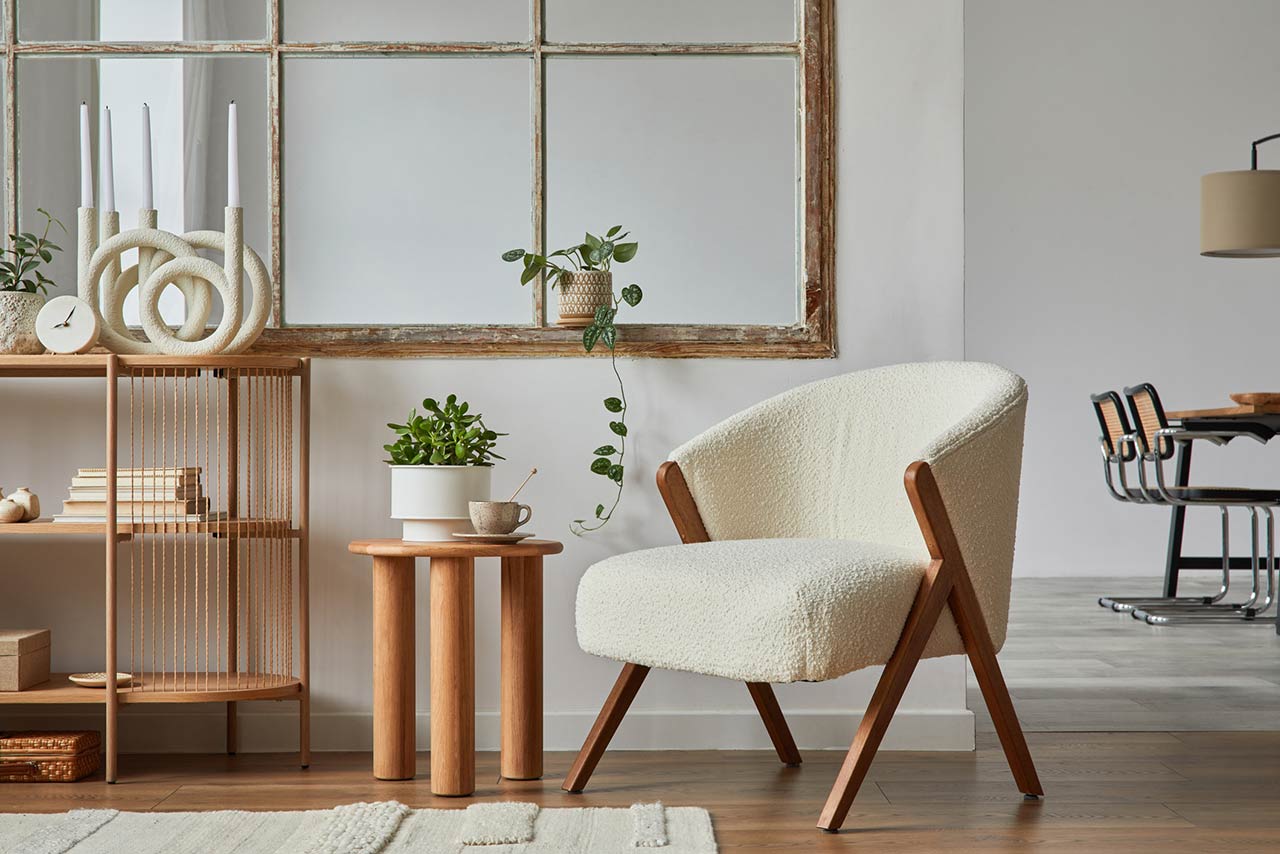
It’s much better to have a few quality items than a bunch of clutter. This is what the minimalist approach in home decor is all about. Forget about cramping your space with a ton of little items – instead, adding a handful of stylish pieces can say a lot more than lots of little knick-knacks.
Paring down on things in your home can make the space feel more open and breathable. While you don’t exactly have to eliminate everything down to the bare bones, consider the following tips to creating a space that’s comfortable, sophisticated, and easy to take care of.
De-Clutter
Getting rid of overcrowded items sounds like a no-brainer, right? But it’s usually the first step in achieving the trendy minimalist approach in interior design. Certain spaces in the home tend to be easy targets for clutter, such as the dining room, kitchen and living room.
Unopened mail spread all over the dining table, and magazines on the coffee table can make a space look smaller. Clearing the clutter and replacing it with one attention-grabbing piece, such as a seasonal arrangement or tall glass vase, can do wonders for creating a simple yet chic look.
White is More Expressive Than You Think
While white walls might be immediately associated with hospitals and doctor’s offices, this neutral shade is making a comeback in the world of home interior design. Accent walls and punches of bright hues may have been the trend a few years ago, but these days, simple white has found its place in decor.
A white backdrop has the power to highlight certain aspects of your home – such as antique pieces or hand-scraped hardwood flooring. It acts as the perfect canvas upon which you can display all of your finishes, furnishings, and other decor that you want to focus on in your home.
Group Like-Objects Together
Rather than splitting up similar objects, group them together instead. For instance, assemble a few mirrors together on a vacant space on your wall, or cluster glass vases together on your window sill.
Arranging objects in this manner can do wonders for pulling a room together. Just make sure that you don’t overcrowd the area – the key is finding that sweet spot between too little and too many.
Tone Down the Lighting
Task lighting is important in certain space to help focus on what you’re doing, such as in the kitchen when preparing meals. But such lighting has a tendency to create harsh shadows.
To counter this effect, mixing up your lighting can help add a softer ambience to the space that’s conducive to minimalist decor. Ambient lighting that’s non-directional, such as pot lights with dimmers or lamps with soft halogen bulbs, can help to bring warmth to a space.
Be Careful With Your Accessories
It’s easy to overcrowd a room with an over-abundance of accessories. But when it comes to a minimalist decorative approach, less is more. When accessorizing a space, it’s better just to have a handful of striking pieces than a lot of small objects, which will do nothing more than clutter the space. How you use accessories in your home can mean the difference between cozy and cramped.
The Bottom Line
As the saying goes, quality is more important than quantity. This rings especially true when it comes to achieving a minimalist style in your home. It’s practical, simple, and even more affordable. Keep the above suggestions in mind while paring down each room in your home to get back to basics.
https://www.inesnegrete.com/wp-content/uploads/sites/3/2023/03/article-minimal-featured-031923.jpg7201280adminhttps://www.inesnegrete.com/wp-content/uploads/sites/3/2026/07/ines-negrete-realtor.pngadmin2023-03-19 22:51:162023-03-19 22:51:16The Minimalist Approach: Less is More in Home Decor