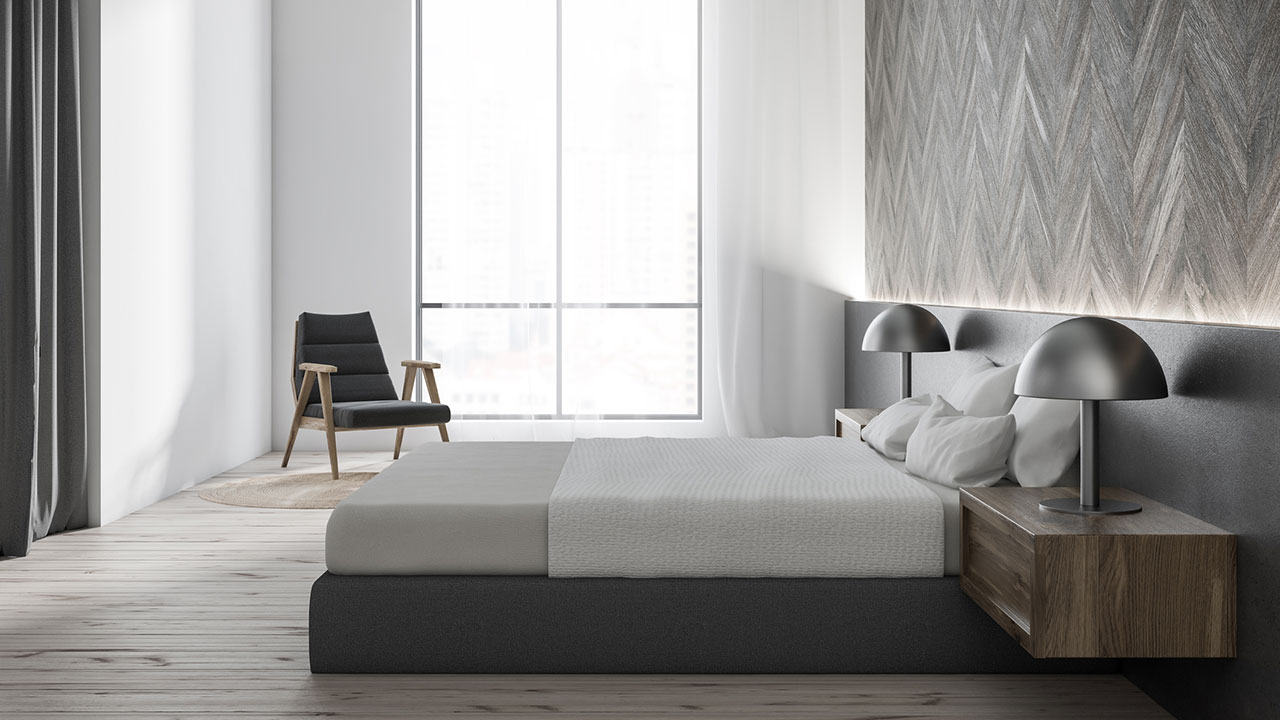
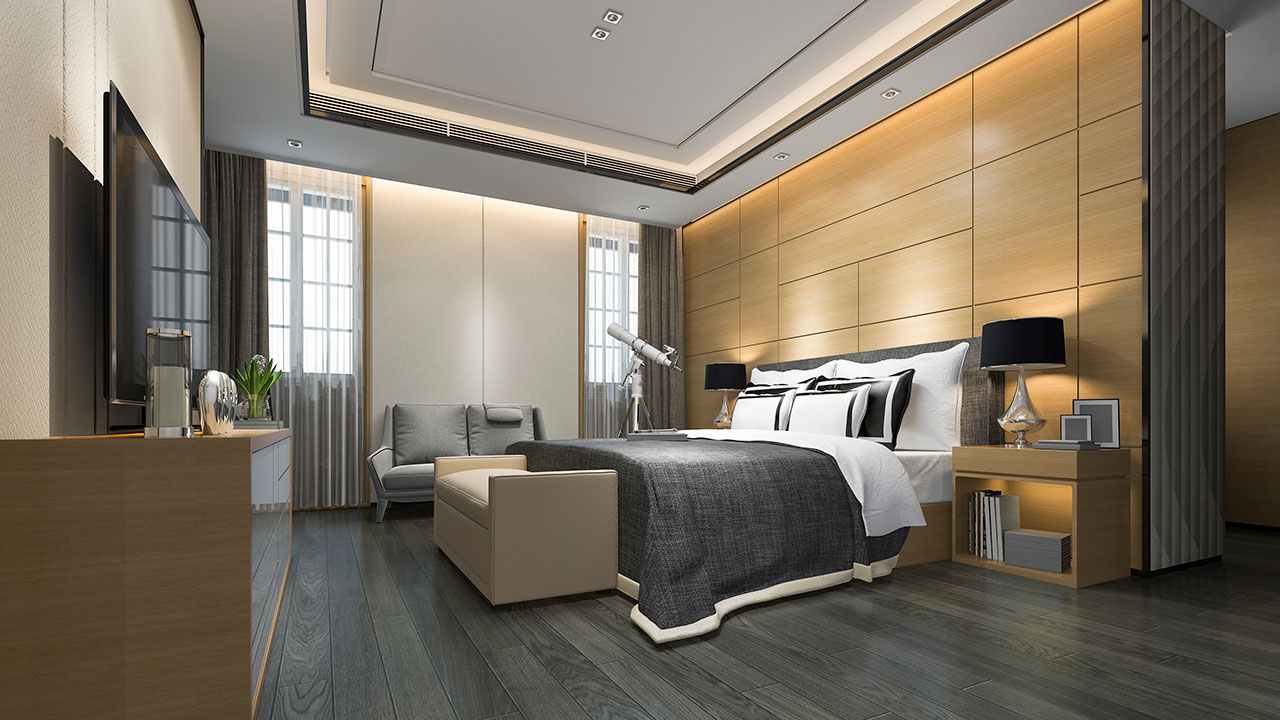
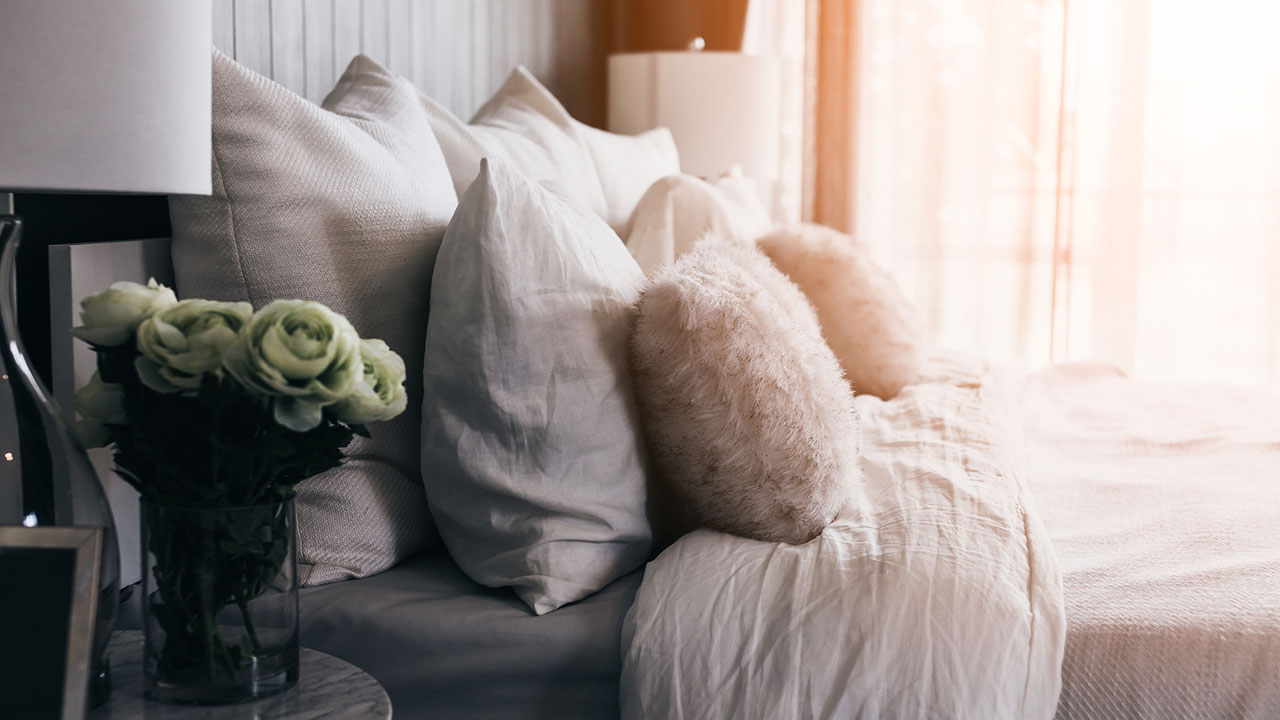
For most of us, our bedroom is little more than a place to sleep and relax. However, just because it’s always been that way doesn’t mean that we have to settle for drab and dreary.
One trend that’s gaining steam these days is converting your current bedroom into a luxury suite (or something comparable). If you want to live like you’re renting a room at the Ritz, then you want to follow these tips.
Compartmentalize Your Activities
Making your bedroom more functional is going to make it more luxurious. Add a gorgeous desk for working and a TV area for entertainment, and you’ll be living it up in no time.
Make it Chic
Choose a color palette that is both luxurious and classy. Silver and gold can seem tacky, so choose muted shades that compliment each other. Also, a brilliant and commanding headboard can instantly upgrade the look of your room without any other changes.
Light it Properly
Finally, make sure that you have the right light to show off your designs. If it’s too washed out or yellow, then it will look drab and run down. Switch to brilliant LEDs and see the difference.
Choose Your Accents Wisely
We already mentioned a headboard, but some elegant drapes can also make your room feel more royal. Being strategic with your furniture accessories is going to both keep you under budget and avoid doing too much with the space.
Are you ready to lux your bedroom? You’ll be impressed by the results, and the feeling of decadence will make you more confident in your surroundings.
https://www.inesnegrete.com/wp-content/uploads/sites/3/2019/05/turning-an-ordinary-bedroom-featured.jpg7201280adminhttps://www.inesnegrete.com/wp-content/uploads/sites/3/2026/07/ines-negrete-realtor.pngadmin2019-05-18 18:11:052019-05-18 18:11:05Turning An Ordinary Bedroom Into A Luxurious Bedroom
You’ve most likely heard the rule: Save for a 20-percent down payment before you buy a home. The logic behind saving 20 percent is solid, as it shows that you have the financial discipline and stability to save for a long-term goal. It also helps you get favorable rates from lenders.
But there can actually be financial benefits to putting down a small down payment—as low as three percent—rather than parting with so much cash up front, even if you have the money available.
THE DOWNSIDE
The downsides of a small down payment are pretty well known. You’ll have to pay Private Mortgage Insurance for years, and the lower your down payment, the more you’ll pay. You’ll also be offered a lesser loan amount than borrowers who have a 20-percent down payment, which will eliminate some homes from your search.
THE UPSIDE
The national average for home appreciation is about five percent. The appreciation is independent from your home payment, so whether you put down 20 percent or three percent, the increase in equity is the same. If you’re looking at your home as an investment, putting down a smaller amount can lead to a higher return on investment, while also leaving more of your savings free for home repairs, upgrades, or other investment opportunities.
THE HAPPY MEDIUM
Of course, your home payment options aren’t binary. Most borrowers can find some common ground between the security of a traditional 20 percent and an investment-focused, small down payment. Your trusted real estate professional can provide some answers as you explore your financing options.
https://www.inesnegrete.com/wp-content/uploads/sites/3/2019/05/which-down-payment-strategy-is-right-for-you-featured.jpg7201280adminhttps://www.inesnegrete.com/wp-content/uploads/sites/3/2026/07/ines-negrete-realtor.pngadmin2019-05-14 20:09:452019-05-14 20:09:45Which Down Payment Strategy Is Right For You?
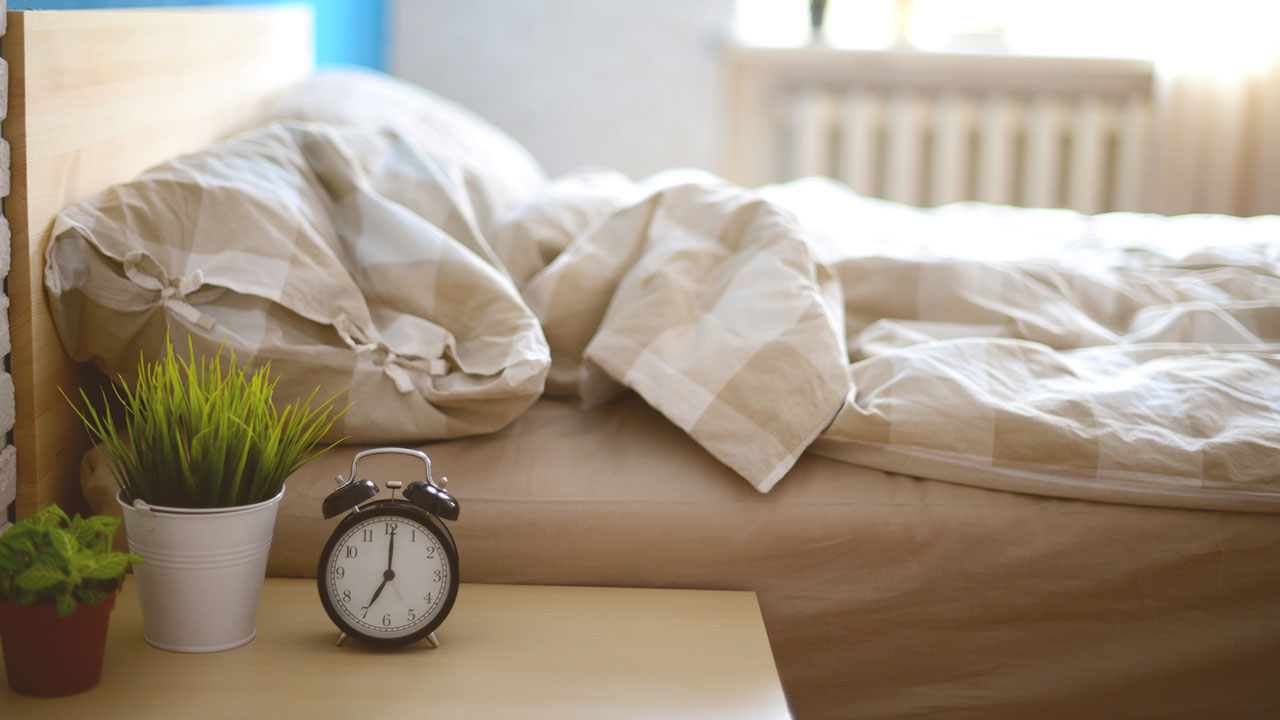
Ever wish you could become one of those rare morning people? The ones that wake with a start, feeling refreshed and energized. The ones that get in that morning workout or wrap up some work before many of us even hit the snooze button for the first time. Here are five tips to help you achieve that early bird status!
1. Create a morning schedule
Physically write down the things you’d like to complete in the morning and set a time for each. Then stick with it. Once you force yourself out of bed early one or two weeks consistently, you’ll find it gets easier and easier to do.
2. Let the light in
Whether natural or artificial, light tells your brain its time to get up and get going. If your room lacks large windows where you can open the blinds up, consider investing in a timed lamp or alarm clock with a light.
3. Prep and eat breakfast
Although there are many of us who chose the skip breakfast, it is key to perking up your energy in the morning. Try prepping protein-focused meals the night before or grab a yogurt or fruit and try to consume it right after you wake.
4. Get your body moving
Whether it’s a short walk around your neighborhood or a rigorous 5:30 am spin class, getting your blood pumping will help wake up your body and has a ton of other benefits, like stress and anxiety reduction.
5. Feed your mind
Stimulate your brain and do something you enjoy first thing in the morning. Try reading a favorite book, catching up on the news, doing daily meditation, or setting intentions.
https://www.inesnegrete.com/wp-content/uploads/sites/3/2019/05/achieve-morning-person-status-featured.jpg7201280adminhttps://www.inesnegrete.com/wp-content/uploads/sites/3/2026/07/ines-negrete-realtor.pngadmin2019-05-11 15:21:082019-05-11 15:21:08How To Become A Morning Person
Whether you are a first-time homebuyer or a seasoned veteran, the negotiation part of the transaction can be a little daunting and stressful. However, it is necessary to ensure you are getting the best possible deal for your money. So, what should you negotiate when buying a home?
Closing Costs Your closing costs are determined by a variety of factors, but you can expect it to be between 2% to 5% of the purchase price. Ask the seller to cover some or all of the closing costs upfront or request a closing credit that can be used to make specific updates and fixes to the home.
Furnishings Love how the seller has furnished and decorated the home? Buyers often negotiate keeping couches, fixtures, landscaping items, patio furniture, appliances, and more. And many sellers agree, wanting to make the home more appealing.
Inspection and Closing Timing Buyer offers that include a quick inspection and close timeline are often more attractive to sellers who have been going through the process for far too long. Just ensure you allow yourself ample time to get your financing in place and complete proper, thorough inspections.
Home Warranty Sellers will often agree to pay the premium on the home warranty at closing and then hand it off to the new homeowner, who is responsible for the deductible on any future claims.
Repairs Your inspection may uncover small or large repairs needed to bring the home up to standard. You can negotiate to have these items fixed before closing or ask for a price reduction to cover the costs.
https://www.inesnegrete.com/wp-content/uploads/sites/3/2019/05/what-to-negotiate-when-buying-a-house-featured.jpg7201280adminhttps://www.inesnegrete.com/wp-content/uploads/sites/3/2026/07/ines-negrete-realtor.pngadmin2019-05-07 00:44:352019-05-07 00:55:31What To Negotiate When Buying A Home
When you’re getting ready to list your home, it’s of the upmost importance to ensure you are showing it in the best light. Taking time to highlight its strengths and fix up some of its possible weaknesses can make a big difference in how fast it sells. Here are our top five recommended repairs to make before selling your home.
1. REPAINT WALLS
Giving your home a fresh coat of paint is one of the most cost-effective ways to spruce it up, and generally, it can be a do-it-yourself project. Make sure cover any walls with scratches and chips and consider updating any accent walls with a more neutral coat.
2. REPAIR FLOORS
Hardwood floors are a very desirable feature in a home, so you want to ensure they look their best by fixing scratches or dull areas. If your carpet is worn or stained, consider replacing them. And don’t forget the tile in your kitchen or bathrooms. Re-grouting can go a long way in making dingy tile work look brand new!
3. REFRESH THE LANDSCAPING
Show buyers your home is the full package by dressing up the outside as well as the in. Clean walkways and driveways, plant seasonal flowers and plants, trim hedges and trees, install outdoor décor pieces and fill in mulch and gravel.
4. FIX YOUR FIXTURES
Leaky faucet? Rusted drains? Loose drawer handle? Making these small fixes can make a big difference to potential buyers with detailed-orientated minds. Improve your kitchen. An outdated kitchen can be a real eyesore in a home. Updating cabinetry, repairing or replacing countertops, and installing new faucets and sinks may be worth the investment.
https://www.inesnegrete.com/wp-content/uploads/sites/3/2019/04/4-repairs-to-make-featured.jpg7201280adminhttps://www.inesnegrete.com/wp-content/uploads/sites/3/2026/07/ines-negrete-realtor.pngadmin2019-04-30 17:43:442019-04-30 19:52:014 Repairs To Make Before You List Your Home
Unfortunately, our homes don’t always grow with us. What may have initially worked fine for a single person, a young couple’s starter home, or a family with a newborn can quickly become too small as families expand and multiple generations live under one roof.
Remodeling and adding to your home is one option for creating more space, but it can be costly, and the size of your property may be prohibitive. That’s when moving to a bigger home becomes the best solution.
WHERE DO YOU NEED MORE SPACE?
The first thought when upsizing your home is to simply consider square footage, bedrooms, and bathrooms. But it’s important to take a more critical approach to how your space will actually be used. If you have younger children (or possibly more on the way), then focusing on bedrooms and bathrooms makes sense. But if your children are closer to heading off to college or starting their own families, it may be better to prioritize group spaces like the kitchen, dining room, living room, and outdoor space—it’ll pay off during the holidays or summer vacations, when everyone is coming to visit for big gatherings.
MOVING OUTWARD
If you need more space, but don’t necessarily want a more expensive home, you can probably get a lot more house for your money if you move a little further from a city center. While the walkability and short commutes of a dense neighborhood or condo are hard to leave beyond, your lifestyle—and preferences for hosting Thanksgiving, barbecues, and birthdays—might mean that a spacious home in the suburbs makes the most sense. It’s your best option for upsizing while avoiding a heftier price tag.
https://www.inesnegrete.com/wp-content/uploads/sites/3/2019/04/is-it-time-to-upsize-your-home-featured.jpg7201280adminhttps://www.inesnegrete.com/wp-content/uploads/sites/3/2026/07/ines-negrete-realtor.pngadmin2019-04-27 00:40:142019-04-27 00:40:14IS IT TIME TO UPSIZE YOUR HOME?
An evacuation plan is a necessity for every home, especially if you live in an area where fires, earthquakes, hurricanes, flooding, and other disasters are a possibility. Many homeowners create evacuation plans for their homes and practice them with their kids, but far fewer have considered one for their pets. Take these steps to add your pets to your evacuation plan.
Assign pet evacuation to an adult. Everyone should know how to act during an evacuation, and that includes assigning one parent or adult to the pets. This allows the other parent and the children to focus on their part of the evacuation plan, so there’s no confusion during a high-stress moment when time is of the essence.
Keep evacuation maps and pet carriers readily accessible. If you need to evacuate, you should know exactly where every important item is. If you pets require carriers, keep them in a place that you can access easily.
Practice your plan. Include your pets in your home evacuation drills. It’ll help you see how they will respond and make changes to your plan if necessary. Getting your dog out of a window may not be as simple as you think!
Be prepared in case you get separated from your pets. No matter how much you drill your evacuation plan, it’s possible that a dog or cat will run off while you’re focusing on keeping your family safe. A microchip or a GPS-compatible tag can help you find your pets once it’s safe to return to the area.
https://www.inesnegrete.com/wp-content/uploads/sites/3/2019/04/create-an-evacuation-featured-042319.jpg7201280adminhttps://www.inesnegrete.com/wp-content/uploads/sites/3/2026/07/ines-negrete-realtor.pngadmin2019-04-23 14:59:542019-04-23 14:59:54Create An Evacuation Plan For Your Pets
Ever get the itch to do a DIY project? Whenever we do, our favorites involve getting outdoors and mixing up our landscaping features. Whether it’s as simple as installing some lighting or a little more time-consuming like re-plotting plants, a fresh look for the lawn always gives your home a fresh look as well. Here are our top five easy landscaping projects!
Create a pathway
To guide you and visitors throughout your yard and link different areas together, install a pathway. You can use materials from a variety of materials, including reclaimed pallet wood, flagstones, gravel, and more to add texture and color.
Add a wall or border
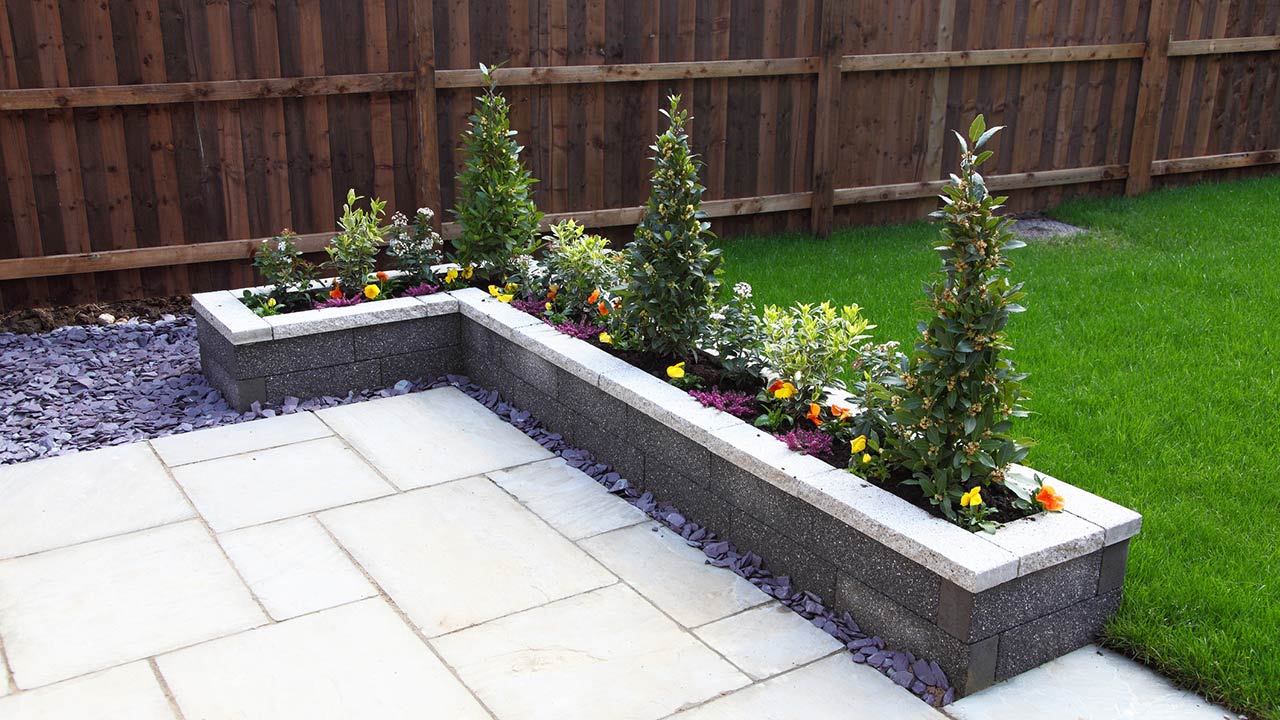
Installing a flagstone, rock, or brick wall around flower beds or trees adds a sleek, clean look to your landscaping and helps separate different sections of your yard.
Install a water feature
Nothing says zen quite like the sound of trickling water as you relax in your backyard. You can start simple with by purchasing and installing a small feature powered by a solar panel or create a larger focal point in your yard by installing a waterfall wall or small pond.
Light your way
An easy way to transform your yard is to strategically use lighting. Place cool-colored lights high in trees to recreate a moonlight feel, use pathway lights to naturally guide the eye, or highlight objects or plants.
Plant upwards
Expand your yard space by drawing the eye to the sky with a trellis fence or screen made of wood or metal. Once you install your trellis, select your climbing plants and vines and get to planting!
Imagine something dangerous lurking in your home that you can’t see, smell, touch, or taste. That’s what radon gas is, and it can be hazardous to your health and that of your family. But it’s virtually impossible to detect without the proper tools.
Breathing in air with radon present might not necessarily cause any symptoms right away, which is yet another reason why a home should be tested for the gas.
If no one in the house experiences any medical issues, there’s little reason to believe there’s anything wrong. But continued exposure to radon can increase the risk of the development of lung cancer.
In fact, according to the US Environmental Protection Agency (EPA), exposure to radon causes approximately 21,000 cancer deaths every year. That’s why it’s so important for homes to be tested for this dangerous gas.
What is Radon?
Radon is an odorless radioactive gas that can be found in homes all over the country. In fact, it’s estimated that almost 1 out of 15 homes in the US has high radon levels.
Radon stems from the breakdown of soil, rock, and water and can make its way into a home through the ground or through cracks in the foundation and circulate through the air.
Once radon enters the home, it gets trapped, leaving it to be inhaled by all occupants of the home. While having a home that is well-sealed and insulated is great for energy efficiency and lower utility bills, such efficiency can actually make things worse by not allowing radon to escape.
How to Test For Radon
The only way to know for sure if there is radon in your home is to have it tested by professionals. Since you can’t see or smell it, there’s no other way of knowing whether or not radon is lurking in your home.
All floors under the third level (if applicable) of a home should be tested. That’s because radon can rise into the air and make its way as high up as the second level of a home. That said, radon will likely be more concentrated on the lowest level, so that’s typically the first place that should be tested for the gas.
Testing for radon is rather straightforward and isn’t overly complicated. In fact, many homeowners test themselves using kits that can be purchased at hardware or home improvement stores or ordered online.
That said, it’s generally recommended that radon is tested by a professional to ensure an accurate reading.
What Constitutes High Radon Levels?
After the home has been properly and effectively tested, the levels of radon – if detected – should be less than 4 picocuries per liter (pCi/L). If it’s at that level – or higher – steps need to be taken to remove radon from the home and identify the source of the radon making its way into the home.
Even if the levels detected are under this mark, it can still pose a risk. Ideally, there should be no radon detected at all. Since radon levels can change over time, it’s best to have a long-term test conducted to find out what the radon level is over time.
If dangerous radon levels are detected, take action to fix the home by hiring a qualified radon professional.
Buying or Selling? Have the Home Tested For Radon First
If you’re selling your home some time soon, consider having it tested for radon. While it’s not mandatory to do so, it can actually strengthen your listing.
Being able to show buyers that the home has been tested and is free of radon can be a strong selling point. Even if radon was detected, taking steps to eradicate it can be something to boast about to prospective buyers.
If you do have the home tested or have any issues with radon resolved, be sure to keep all the associated documentation to have ready to show buyers.
If you’re buying a home, on the other hand, ask the seller if they have any paperwork regarding radon testing. If a test has been done in the past, consider when it was done, as tests conducted far back may no longer be accurate to reflect what may be in the home today.
Also, make sure to find out who conducted the test, which levels of the home the test was conducted, and if any significant improvements or renovations have been done since the test that could have affected radon levels.
If the home has not been tested, ask to have it tested. Or else, consider having a radon test conducted as part of your home inspection before the deal is sealed.
The Bottom Line
Whether you’re a seller, buyer, or a homeowner who plans to stick around for the long haul, having the home tested for the presence of radon is important. While there may not be any acute symptoms of radon poisoning that you may notice, the long-term effects of exposure to this gas can be detrimental.
https://www.inesnegrete.com/wp-content/uploads/sites/3/2019/04/should-you-test-for-featured.jpg7201280adminhttps://www.inesnegrete.com/wp-content/uploads/sites/3/2026/07/ines-negrete-realtor.pngadmin2019-04-16 00:16:172019-04-16 00:18:44Should You Test For Radon in Your Home?
There’s a lot to do when it comes to getting a home ready for sale, and staging it is one of them.
Obviously, a home that’s properly furnished with pieces that are appropriate for the size of all rooms and decorated with tasteful accessories and neutral colors will show a lot better than a home that looks disheveled.
Buyers are more inclined to put in an offer on a home that they can envision themselves living in and suits their lifestyle, but sellers need to work to help buyers visualize the space as such.
But while it makes sense to stage a home that’s not furnished appropriately or that’s decked out in loud colors, is it necessary to stage a home that’s vacant?
Absolutely. Staging a vacant home is just as important – if not more important – than staging a home that’s already furnished. Here are some reasons why.
Make Rooms Appear Larger
If your home is lacking in square footage, you’ll want to do what you can to make principal rooms appear larger than what they really are. But rooms that are vacant will actually seem smaller, which is the complete opposite effect of what you want to achieve.
Further, without adding furniture, buyers may not think that their furniture will fit properly if there’s nothing in the home to show them that the space is large enough to accommodate. Even the slightest doubt about a home can scare buyers away.
Instead, furnish your vacant home with pieces that will show buyers how a full set of furniture can fit nicely in the space.
Help Buyers Visualize the Purpose of a Space
The majority of buyers are unable to visualize what a space can look like if it’s not furnished and decorated for them. Not only that, but an empty house seems cold and unwelcoming, which will do little to help buyers develop an emotional connection to it.
As a seller, you’d be doing yourself a favor by outfitting your vacant home with furniture and accessories that will help show buyers exactly what the home can look like when it’s all decked out. Proper staging can also help make the home seem warmer and more inviting, which can go a long way at helping buyers develop an emotional attachment to the home and entice them to put in an offer.
Make Online Images More Appealing
Most buyers start their search for a new home on the internet, and they’re usually enticed to book a showing based on the images they see online. A home that is effectively staged will show much better in photos compared to a vacant property.
Many buyers might not even bother scheduling a visit if they’re not impressed with a listing’s images. The last thing you want to do is lose out on a potential buyer before they even visit your home. And to make sure you get as many eyes on your house, make sure not to leave it vacant.
Draw Attention Away From Flaws and Onto Positive Features
No home is entirely perfect, including brand new properties. There are always flaws to be found, but you don’t necessarily want them to be highlighted. Yet that’s exactly what you’ll be doing if you leave your home empty.
Vacant spaces have a way of magnifying flaws, yet well-furnished rooms tend to do the opposite. Not only that, but staged and furnished rooms can also highlight the positive features in your home, which is exactly what you want to do to impress buyers. Proper home staging can help showcase the characteristics of the home that you want to show off while downplaying imperfections.
Create a Lifestyle
Home staging isn’t necessarily all about decorating a home, but it’s also about creating a lifestyle that buyers are looking for. They want to find a home that caters to the lifestyle they want. Home stagers know exactly what the buyer demographic is in your area and will cater specifically to them with their furniture and decor choices.
But vacant houses lack the ability to showcase a specific lifestyle. As already mentioned, buyers need a little help envisioning how a space can look and how they can use it. But if the home is vacant, there’s nothing to interest them or help them visualize how the home can give them the lifestyle they might not even know they want.
Sell Faster
It’s been shown time and again that homes that are professionally staged sell faster than homes that are not. If selling quickly is on your agenda, then staging it might be something worth trying.
The longer your home sits on the market waiting for a willing buyer, the more money you’ll be dishing out in carrying costs. Plus, your listing will be at an increased risk of becoming stale, which can eventually lead to the need for a price reduction.
Sell For More Money
Not only can a staged home sell faster, but it can sell for more money too. While it might cost a little bit of money to pay a professional to have your home staged, you can easily recoup all of that money spent – and then some – when you sell at a higher price point.
The Bottom Line
You’d be doing yourself a disservice by leaving your home vacant when selling. You’ll lose out on the chance to help buyers develop an emotional connection to the home and help them envision what life can be like living there. Most importantly, a vacant home can take longer to sell and may even cause you to leave money on the table.
By investing a little money and effort up front, you can turn your vacant home into one that will impress buyers and encourage them to put in a good offer sooner rather than later.
https://www.inesnegrete.com/wp-content/uploads/sites/3/2019/04/should-sellers-bother-staging-featured.jpg7201280adminhttps://www.inesnegrete.com/wp-content/uploads/sites/3/2026/07/ines-negrete-realtor.pngadmin2019-04-12 00:23:112019-04-12 00:27:09Should Sellers Bother Staging a Vacant Home?