As unfortunate as it can be when homeowners fall behind on mortgage payments and must face the possibility of losing their homes, short sales and foreclosures provide them options for moving on financially. The terms are often used interchangeably, but they’re actually quite different, with varying timelines and financial impact on the homeowner. Here’s a brief overview.
SHORT SALES
A short sale comes into play when a homeowner needs to sell their home but the home is worth less than the remaining balance that they owe. The lender can allow the homeowner to sell the home for less than the amount owed, freeing the homeowner from the financial predicament.
On the buyer side, short sales typically take three to four months to complete and many of the closing and repair costs are shifted from the seller to the lender.
FORECLOSURE
On the other hand, a foreclosure occurs when a homeowner can no longer make payments on their home so the bank begins the process of repossessing it. A foreclosure usually moves much faster than a short sale and is more financially damaging to the homeowner.
After foreclosure the bank can sell the home in a foreclosure auction. For buyers, foreclosures are riskier than short sales, because homes are often bought sight unseen, with no inspection or warranty.
https://www.inesnegrete.com/wp-content/uploads/sites/3/2019/06/short-sale-and-foreclosure-featured.jpg7201280adminhttps://www.inesnegrete.com/wp-content/uploads/sites/3/2026/07/ines-negrete-realtor.pngadmin2019-06-28 23:16:282019-06-28 23:20:14Short Sale And Foreclosure: What Sets Them Apart?
Organic food usually tastes better, and is better for you, but it can also be very expensive compared to non-organic products. Organic food can cost nearly 50 percent more, thanks to the extra labor required to produce it and consumers’ demand exceeding supply.
So how do you get tasty organic food without spending a ton of extra money? Follow these tips to get more bang for your buck.
SHOP AT FARMERS’ MARKETS
You can get fresh organic produce for far less at a farmers’ market than you’d pay at the grocery store. It’ll taste just as good, and you’re getting your food straight from the source.
CHOOSE SEASONAL PRODUCE
Out-of-season produce usually has to be imported, and that can really drive up the price. Focus your meals on in-season fruits and vegetables so that you don’t end up paying $6.00 for a pound of organic asparagus.
SHOP MORE FREQUENTLY
The trick here is to only buy what’s needed for your meals, and to only plan for a week of meals at most. That way you’re less likely to throw food away, because you can use leftover produce for more meals before it goes bad.
GROW YOUR OWN
A home vegetable garden will provide some extremely cheap organic produce, and gardening can also be a fun and rewarding hobby.
https://www.inesnegrete.com/wp-content/uploads/sites/3/2019/06/4-tips-on-how-to-shop-for-organic-food-on-a-budget-featured.jpg7201280adminhttps://www.inesnegrete.com/wp-content/uploads/sites/3/2026/07/ines-negrete-realtor.pngadmin2019-06-26 00:07:162019-06-26 00:16:064 Ways To Eat Organic Food On A Budget
Moving into a new home is an exciting time, and you’re probably daydreaming about decor and paint schemes and new furniture. But before you get into the fun stuff, there are some basics you should cover first.
Change the locks
Even if you’re promised that new locks have been installed in your home, you can never be too careful. It’s worth the money to have the peace of mind that comes with knowing that no one else has the keys to your home. Changing the locks can be a DIY project, or you can call in a locksmith for a little extra money.
Steam clean the carpets
It’s good to get a fresh start with your floors before you start decorating. The previous owners may have had pets, young children, or just some plain old clumsiness. Take the time to steam clean the carpets so that your floors are free of stains and allergens. It’s pretty easy and affordable to rent a steam cleaner—your local grocery store may have them available.
Call an exterminator
Prior to move-in, you probably haven’t spent enough time in the house to get a view of any pests that may be lurking. Call an exterminator to take care of any mice, insects, and other critters that may be hiding in your home.
Clean out the kitchen
If the previous occupants wanted to skip on some of their cleaning duties when they moved out, the kitchen is where they probably cut corners. Wipe down the inside of cabinets, clean out the refrigerator, clean the oven, and clean in the nooks and crannies underneath the appliances.
https://www.inesnegrete.com/wp-content/uploads/sites/3/2019/06/priority-tasks-for-your-move-in-featured-1.jpg7201280adminhttps://www.inesnegrete.com/wp-content/uploads/sites/3/2026/07/ines-negrete-realtor.pngadmin2019-06-21 23:52:202019-06-22 00:01:32Priority Tasks For Your Move In
When you put your home up for sale, one of the best ways to determine the asking price is to look at comparable sales. There’s rarely a perfect apples-to-apples comparison, so a pricing decision often relies on comparisons to several recent sales in the area. Here are five criteria to look for in a sales comparison.
1. Location
Homes in the same neighborhood typically follow the same market trends. Comparing your home to another in the same neighborhood is a good start, but comparing it to homes on the same street or block is even better.
2. Date of sale
It varies by location, but housing markets can see a ton of fluctuation in a short time period. It‘s best to use the most recent sales data available.
3. Home build
Look for homes with similar architectural styles, numbers of bathrooms and bedrooms, square footage, and other basics.
4. Features and upgrades
Remodeled bathrooms and kitchens can raise a home’s price, and so can less flashy upgrades like a new roof or HVAC system. Be sure to look for similar bells and whistles.
5. Sale types
Homes that are sold as short sales or foreclosures are often in distress or sold at a lower price than they’d receive from a more typical sale. These homes are not as useful for comparisons.
https://www.inesnegrete.com/wp-content/uploads/sites/3/2019/06/5-criteria-for-pricing-a-home-061819.jpg7201280adminhttps://www.inesnegrete.com/wp-content/uploads/sites/3/2026/07/ines-negrete-realtor.pngadmin2019-06-18 20:34:122019-06-18 20:34:125 Criteria For Pricing A Home
Refinancing your mortgage is something most homeowners consider at least once throughout the lifespan of their home loan. It allows you to pay off your previous loan by applying for a new one that has better financial advantages. While there are many good reasons to refinance, here are five common ones.
SCORING A LOWER INTEREST RATE
The number one reason homeowners decide to refinance is to secure a lower interest rate on their mortgage. Not only does this save you money in the long run and decrease your monthly payment, but you can start building equity in your home sooner.
USING AN IMPROVED CREDIT SCORE
Even if interest rates have not dropped in the market, if you’ve improved your credit score over the last few years, you may be able to reduce your mortgage rate.
SHORTENING THE LOAN’S TERM
If interest rates are decreasing, there is a chance you may be able to get a shorter loan term with little to no change in your monthly payment, allowing you to pay off your loan sooner.
SWITCHING FROM AN ADJUSTABLE RATE TO A FIXED RATE
If you chose an adjustable-rate mortgage with great introductory rates when you initially financed your home, that rate may increase significantly over the years. By switching to a fixed rate while interest rates are low, you can protect yourself from future increases.
CASHING OUT HOME EQUITY
If there is a big purchase or payment on the horizon, such as funding a wedding or going back to school, your best option may be to use the equity you’ve built in your home to borrow money at a lower cost.
https://www.inesnegrete.com/wp-content/uploads/sites/3/2019/06/consider-this-when-to-refinance-featured.jpg7201280adminhttps://www.inesnegrete.com/wp-content/uploads/sites/3/2026/07/ines-negrete-realtor.pngadmin2019-06-10 20:24:462019-06-10 20:30:04Consider This: When To Refinance
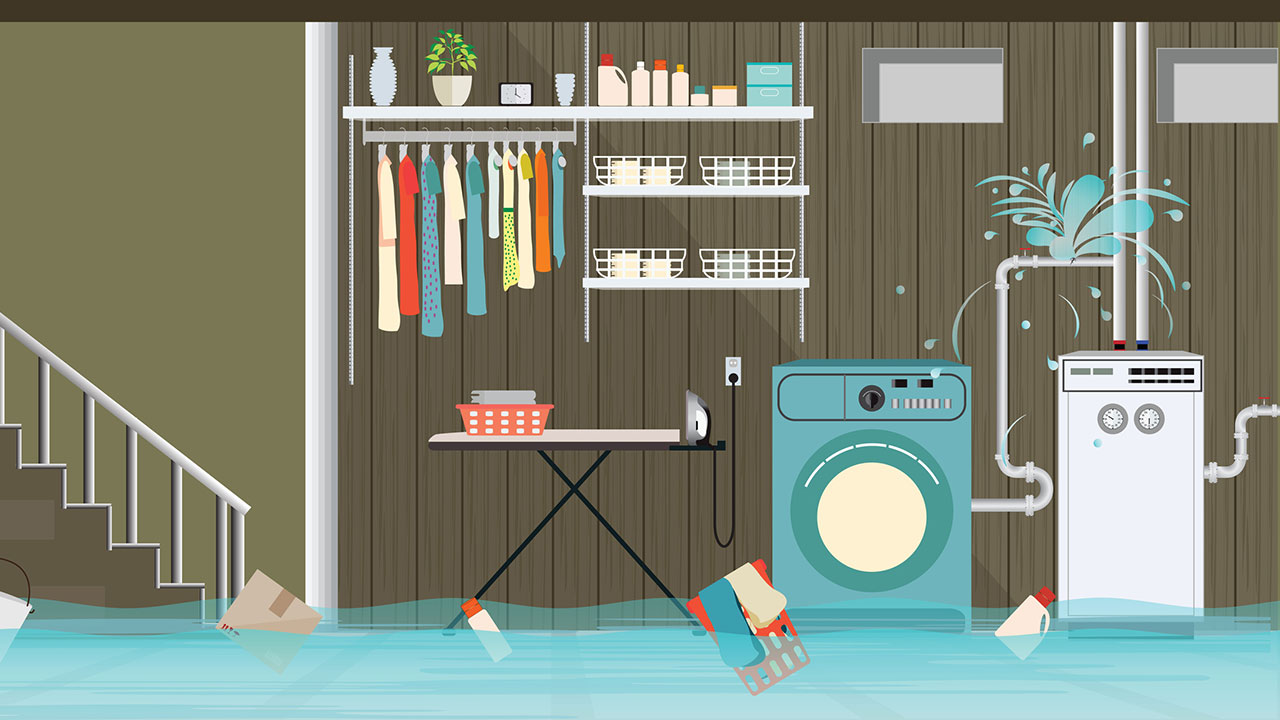
Water might be a necessity in life, but it can also wreak havoc in your home when it’s not properly contained. Water can cause mold, mildew, and major damage to surfaces in your home. It can even compromise the integrity of your home’s structure. And once your home experiences water damage, it can be extremely costly and labor-intensive to rectify.
So, what causes water damage? Here are some of the more common sources of water damage in homes.
1. Leaky Pipes
The most obvious source of water damage in a home stems from leaky plumbing pipes. Whether there’s a slow leak somewhere or a major burst pipe, water that’s able to make its way outside of the pipes that run through your home can cause some major damage.
A sudden burst pipe might be significant, but it will be easy to spot. Slow leaks, on the other hand, are usually impossible to detect until the damage has already been done. The best way to identify potential leaks is to pay attention to your water bill. If you notice the numbers start creeping up every month, there may be a leak somewhere that needs to be addressed.
2. Air Conditioner
If something is malfunctioning with your air conditioner system, this could cause issues. Your air conditioner is tasked with removing moisture from the air, and this moisture can often accumulate in the actual unit and turn into water through condensation. If this water doesn’t drain properly, it could eventually make its way into your home and cause damage.
To avoid this situation, make sure to have your A/C serviced on a regular basis so you can spot issues early and have them fixed.
3. Washing Machine
A ton of water is used with every load of laundry you do. But sometimes, washers can leak water and pool underneath, or ill-secured fittings could allow water to seep out. In either case, such leakage from your washing machine can cause mold buildup or water damage to surrounding surfaces.
4. Clogged Drains
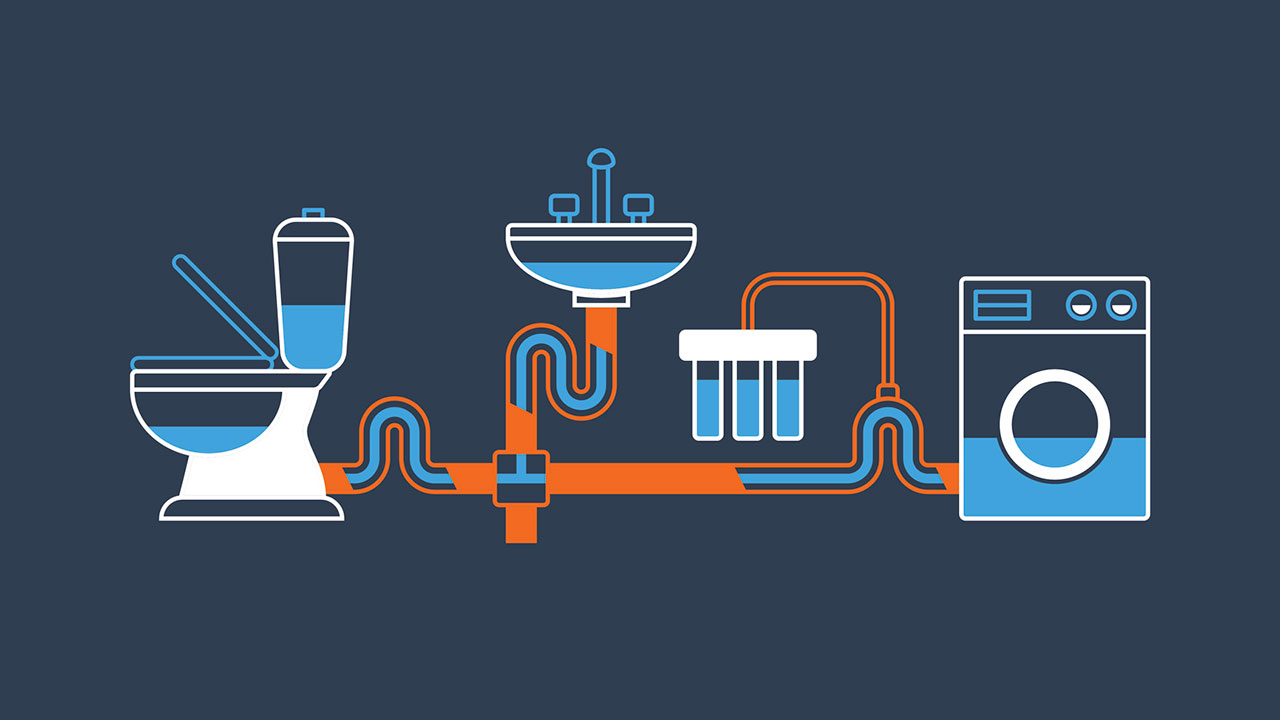
If the drains running underneath your floor get clogged, they’re more susceptible to water backup in the sink, shower stall, or even within the floor itself. If this is allowed to carry on, you could be left having to deal with mold issues or severe water damage.
5. Running Toilets
Sometimes toilets run because of issues with the flapper, which is supposed to be pulled up when you flush so new water can fill the bowl. If there are problems with the flapper, however, this can cause a running toilet, which in turn can cause water leakage and subsequent damage to the floor and wall around the toilet.
6. Water Seeping Into the Foundation
Water can make its way into your home’s foundation if there are issues with grading or with the soil around the perimeter of your home. And if you experience heavy precipitation, all that water can easily make its way into your home, leaving you with major issues to have to deal with.
The Bottom Line
Water damage in a home is nothing to sneeze at. It can cause serious issues, both structurally and health-wise. If you notice a hint of water problems, it’s important to have them rectified immediately. And if possible, try to keep a close eye on all aspects and systems of your home and have them serviced regularly so that if there are any issues, they can be nipped in the bud before real problems start.
https://www.inesnegrete.com/wp-content/uploads/sites/3/2019/06/these-6-things-can-cause-featured.jpg7201280adminhttps://www.inesnegrete.com/wp-content/uploads/sites/3/2026/07/ines-negrete-realtor.pngadmin2019-06-03 17:26:012019-06-03 18:11:58These 6 Things Can Cause Water Damage in Your Home
Improving your home is a great way to not only improve its aesthetics and functionality, but it’s also an effective way to add value. Certain projects can bring in a high ROI, adding more value to your property compared to what you spend on the actual project itself.
But before you take hammer to nail, you’ll want to find out if you need a building permit for the specific task you’re undertaking. While certain minor jobs might not need a permit, others will require that a permit is a applied for and approved before you start any work.
What is a Building Permit, and What is its Purpose?
A building permit is an approval issued by your local government that basically grants you permission to take on a specific renovation project in your home. The purpose of a building permit is to make sure that the project you intend to carry out complies with local bylaws.
The reason why your project needs to adhere to these laws and standards is to ensure that the end result is a safe home for all occupants. Permits will also make sure that the project will result in a structure that’s efficient, accessible, and suitable for habitation. Further, permits will ensure that the changes you make comply with zoning requirements and land use regulations.
Applying for a building permit will come with a cost, which can range from anywhere between $450 and $1,800. The actual cost will depend on the specific location and the extent of the renovations.
There’s also a bit of a waiting period from when you apply for your permit to when you’re granted approval. You could be waiting anywhere between two to four weeks for your building permit to be processed, depending on how many permits the city has to process and how in-depth your project is.
Once you receive the building permit, you’ll need to post it up at your work site as the project gets underway. That way, if any building inspectors show up, you’ll have something ready to be shown to prove that you’ve obtained the necessary paperwork and permission to do the work.
You may also be required to have an inspector check out your work periodically at different phases of the job, depending on how in-depth and complex it is. After each phase, give the inspection office a call to have someone scope things out so you can move on to the next phase. If anything needs to be modified, you can make such changes as needed before you carry on.
Generally speaking, the majority of renovations require a couple of inspections throughout the project, including a final inspection once all the work is done. At that point, you can take the permit down from wherever you’ve posted it and enjoy the finished project.
Do You Need a Building Permit For Your Project?
Now that you know why a building permit is required, how do you know if your specific project requires one?
Make sure you check with your local building department to verify if the project you’re intending to take on needs a permit or not, as code requirements may be different from one city to the next.
That said, there are certain projects that may be exempted, such as:
Painting
Laying carpeting
Installing cabinets
Installing countertops
Tile work
Making minor plumbing or electrical repairs that don’t require the replacement of pipes or wires
Installing a fence less than 7 feet high
Construction of one-story detached structures, such as sheds or children’s playhouses no larger than 120 square feet and with no plumbing, electricity, or heating
Basically, simple repairs or improvements can be done without having to obtain a building permit. But if your project is more in-depth and involves building additions or making major changes to the major systems in your home, you’ll probably have to apply for a permit from your local building department.
What Happens if Work is Done Without a Permit?
If your project requires a permit and you perform the work without one, you could find yourself in some trouble if the local building department finds out. Many homeowners renovate and update their homes without a permit. And while most may not have any troubles, it’s still a risk.
Should an inspector catch wind of work done without a permit, you will have to go through the process of applying and paying for one. And if it’s determined that the work performed does not comply with local standards, you might be forced to tear down the project and start over.
Further, if you plan to sell in the near future, you might find that not having a permit for work performed could be an obstacle. Buyers who are aware of updates on your home may ask to see a building permit. And if you can’t produce one, it could throw a wrench in the deal if the buyer insists that you produce a permit.
The Bottom Line
Having to go through the process of applying for a building permit and covering its cost – which can be hefty – can be a bit of a nuisance. But renovating with the permission of your local jurisdiction will not only make sure that the finished product is safe for occupancy, but it will also help you avoid any hurdles if you ever want to sell in the future.
https://www.inesnegrete.com/wp-content/uploads/sites/3/2019/05/whats-the-purpose-of-a-building-featured.jpg7201280adminhttps://www.inesnegrete.com/wp-content/uploads/sites/3/2026/07/ines-negrete-realtor.pngadmin2019-05-29 16:10:142019-05-29 16:10:14What's the Purpose of a Building Permit When Renovating Your Home?
There are plenty of terms to agree to when you sign a real estate contract to purchase a home. But one thing you likely would never agree to take over are liens on title. Unfortunately, liens can derail real estate deals and cause headaches for both buyers and sellers.
That’s precisely why it’s important for buyers to have a title search conducted on a property to have the home’s title looked into before the deal is sealed. The ideal outcome of a title search is a title that’s free and clear of any liens or legal issues with ownership. If not, that could be where the deal ends.
There are several types of liens that could throw a home sale off its tracks that all buyers should be aware of.
What is a Lien?
A lien is basically a claim that’s placed on title until a debt is paid off. It’s a flaw on title that must be rectified before a sale can be carried out, and until then, the lien will remain.
Sellers with liens on title will have to take steps to pay off the debt or deal with whatever situation caused the lien before they’re able to sell. It’s common for homeowners to begin the selling process without dealing with liens.
Whether they never bothered to deal with the liens or were not aware that they existed, not dealing with a lien appropriately can bring a real estate deal to a screeching halt.
So, what types of liens can you find on title during a home sale?
Contractor Lien
Many homeowners take on home improvement projects to repair or update their homes, which is a good idea considering how much extra value it can add to the property. But contractors expect to be paid for the work done, and if the homeowner doesn’t pay up, the contractor involved can place a lien on the title until the full debt is repaid.
Whether the homeowner withholds payment on purpose for a job they’re not satisfied with or simply didn’t have enough money to pay the entire the bill, the disgruntled contractor can slap a lien on title until they get the money owed.
Property Lien
Lenders who hand out mortgages for homes have liens on properties they finance. Technically, until the mortgage is paid off in full, the homeowner doesn’t really own the home. Instead, the lender does until the homeowner completely pays off the mortgage. Until then, a property lien will be placed on title.
This type of lien doesn’t necessarily stop a seller from selling their home. Instead, when the home is sold, the first party paid with the proceeds of the sale is the lender. Whatever money is left over can then be kept by the seller, minus all costs associated with selling real estate.
Once the home is sold and the lender is paid accordingly, the mortgage should be discharged. Unfortunately, there may be some rare cases where the mortgage is not properly discharged, which can cause problems when it comes time to sell. Regardless, this lien must be cleared up for a sale to take place.
HOA Lien
If the property in question is governed by an HOA, the association can place a lien on one of its properties if the homeowner is behind on HOA fees. Living in an HOA typically requires unit owners to pay monthly dues to cover the cost of maintenance and repairs of common elements.
But if a homeowner fails to make timely payments and becomes delinquent, the HOA can place a lien on the unit, which can throw a wrench in any potential sale.
Tax Lien
The IRS has very strict rules about how and when taxes are to be paid. There are all sorts of different taxes that Americans are required to pay, including income taxes, school taxes, sales taxes, and property taxes, to name a few.
If a homeowner has failed to pay any one of these taxes, the IRS has the power to place a lien on title. Just like any other type of lien, a tax lien puts a homeowner in the position to pay the tax amount owed – plus interest – before selling the property.
Judgment Lien
A creditor may go to court to have a legal judgment lien placed on title of a home if a consumer has not fulfilled their duty to repay all their debt. This type of lien is a court ruling that allows a creditor to take possession of a debtor’s home if any associated contractual responsibilities aren’t carried out.
Basically, a judgment lien is created when a party wins a lawsuit against a homeowner and records the judgment against the home. There could be any number of reasons for legal action to take place. Regardless, the end result may be a judgment lien, which must be dealt with before the home can be sold.
The Bottom Line
Liens are a nuisance, both for buyers and sellers. But if a lien is found on title of a home, that doesn’t necessarily mean that a transaction can’t take place, as long as the lien is dealt with accordingly and taken off title. Until then, the deal will likely be stalled.
https://www.inesnegrete.com/wp-content/uploads/sites/3/2019/05/what-are-the-different-liens-featured.jpg7201280adminhttps://www.inesnegrete.com/wp-content/uploads/sites/3/2026/07/ines-negrete-realtor.pngadmin2019-05-21 20:30:432019-05-21 21:07:47What Are the Different Liens That Can Be Found on Title?
For most of us, our bedroom is little more than a place to sleep and relax. However, just because it’s always been that way doesn’t mean that we have to settle for drab and dreary.
One trend that’s gaining steam these days is converting your current bedroom into a luxury suite (or something comparable). If you want to live like you’re renting a room at the Ritz, then you want to follow these tips.
Compartmentalize Your Activities
Making your bedroom more functional is going to make it more luxurious. Add a gorgeous desk for working and a TV area for entertainment, and you’ll be living it up in no time.
Make it Chic
Choose a color palette that is both luxurious and classy. Silver and gold can seem tacky, so choose muted shades that compliment each other. Also, a brilliant and commanding headboard can instantly upgrade the look of your room without any other changes.
Light it Properly
Finally, make sure that you have the right light to show off your designs. If it’s too washed out or yellow, then it will look drab and run down. Switch to brilliant LEDs and see the difference.
Choose Your Accents Wisely
We already mentioned a headboard, but some elegant drapes can also make your room feel more royal. Being strategic with your furniture accessories is going to both keep you under budget and avoid doing too much with the space.
Are you ready to lux your bedroom? You’ll be impressed by the results, and the feeling of decadence will make you more confident in your surroundings.
https://www.inesnegrete.com/wp-content/uploads/sites/3/2019/05/turning-an-ordinary-bedroom-featured.jpg7201280adminhttps://www.inesnegrete.com/wp-content/uploads/sites/3/2026/07/ines-negrete-realtor.pngadmin2019-05-18 18:11:052019-05-18 18:11:05Turning An Ordinary Bedroom Into A Luxurious Bedroom
You’ve most likely heard the rule: Save for a 20-percent down payment before you buy a home. The logic behind saving 20 percent is solid, as it shows that you have the financial discipline and stability to save for a long-term goal. It also helps you get favorable rates from lenders.
But there can actually be financial benefits to putting down a small down payment—as low as three percent—rather than parting with so much cash up front, even if you have the money available.
THE DOWNSIDE
The downsides of a small down payment are pretty well known. You’ll have to pay Private Mortgage Insurance for years, and the lower your down payment, the more you’ll pay. You’ll also be offered a lesser loan amount than borrowers who have a 20-percent down payment, which will eliminate some homes from your search.
THE UPSIDE
The national average for home appreciation is about five percent. The appreciation is independent from your home payment, so whether you put down 20 percent or three percent, the increase in equity is the same. If you’re looking at your home as an investment, putting down a smaller amount can lead to a higher return on investment, while also leaving more of your savings free for home repairs, upgrades, or other investment opportunities.
THE HAPPY MEDIUM
Of course, your home payment options aren’t binary. Most borrowers can find some common ground between the security of a traditional 20 percent and an investment-focused, small down payment. Your trusted real estate professional can provide some answers as you explore your financing options.
https://www.inesnegrete.com/wp-content/uploads/sites/3/2019/05/which-down-payment-strategy-is-right-for-you-featured.jpg7201280adminhttps://www.inesnegrete.com/wp-content/uploads/sites/3/2026/07/ines-negrete-realtor.pngadmin2019-05-14 20:09:452019-05-14 20:09:45Which Down Payment Strategy Is Right For You?