
Mortgage Rate Math

Shopping around for the best possible mortgage terms is an important part of the home buying process. A few percentage points can make a difference of thousands of dollars over the life of the mortgage. Mortgage rates can be a bit of a mystery—especially for first-time homebuyers—so here’s an overview of the most important factors.

YOUR FICO SCORE

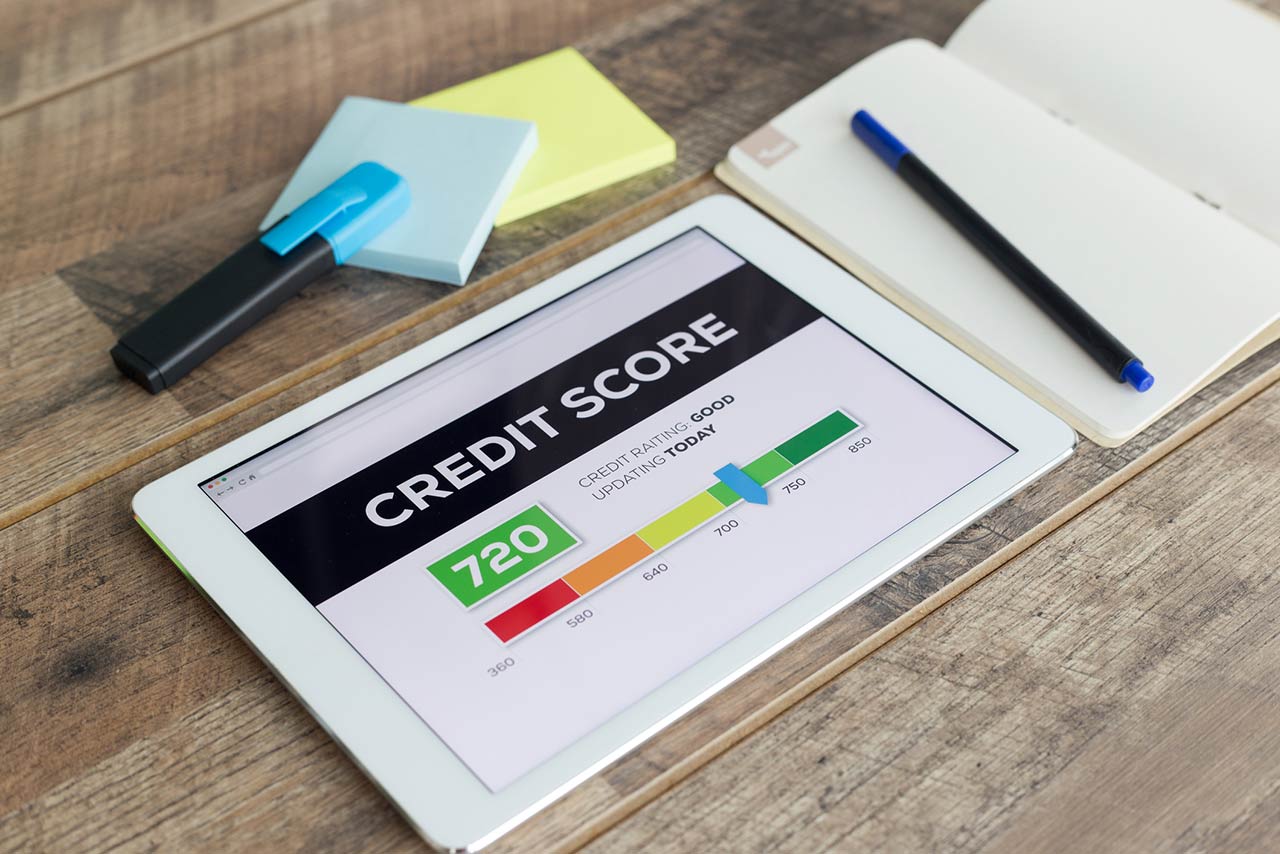
This is the part of the mortgage equation that should come as no surprise. From a lender’s perspective, your financial history is the best indicator of whether you’ll be a stable, responsible borrower. It’s the primary factor in determining your mortgage rate, so if you’re planning on purchasing a home in the near future, concentrate first and foremost on improving your FICO score.

LOCATION AND SIZE MATTERS

“Location, location, location” is an old cliché in real estate, but it also applies to mortgage rates. The city, county, and state that you live will factor into your mortgage rate. Mortgage rates can also vary among local lenders and the size of the loan will come into play. The more money you borrow, the higher your interest rate is likely to be, unless you’re also increasing your down payment.

LOAN LENGTH AND TYPE

Lenders incentivize shorter mortgage terms with lower mortgage rates, so you’ll get a more favorable rate for a 15- or 20-year mortgage versus a 30-year mortgage. If you can afford the higher monthly payment, you’ll pay much less in interest over the course of the loan term.

New Home? Here’s How To Save

Here are a few things new homeowners can do to save on energy and maintenance.

When you’ve just purchased a new home, there’s a ton on your mind. There’s moving, decorating, getting to know your new neighborhood, and more. Here are a few things that should be at the top of your to-do list, because they’ll save you a lot of money.

CHECK ON YOUR WATER HEATER

Set your water heater for 120 degrees Fahrenheit. This is plenty hot enough for bathing, washing dishes, and any other household use of hot water, so heating water above 120 degrees is a waste of energy and money. And if your water heater is an older model, it’s worthwhile to invest in a water heater blanket to keep it insulated.

REPLACE AIR FILTERS

Sellers often put in a lot of cosmetic work to get the home move-in ready, but they often skip or forget about air filters in the HVAC system. Filters can be found at your local hardware store (just make sure to get the right size) and are easy to replace. Doing so will improve air flow and quality, and save on energy costs.

GET A SMART THERMOSTAT

A smart thermostat, such as Nest, will cost you some money up front but is well worth the long-term savings. It’s programmable so that your AC and furnace run at lower levels when you’re not home, so you’re not wasting money to cool or heat an empty house.

SET UP A SPACE TO AIR-DRY CLOTHES

Whether it’s a rack in your laundry room or a clothesline in the back yard, air-drying clothes is a big money saver over even the most energy-efficient dryers. Air-drying your garments will also help them last much longer.

CHECK FOR LEAKS

A leaky faucet or a constantly-running toilet will use up water unnecessarily, and that’ll show up on your utility bill. And in the worst case, they’ll cause expensive water damage and mold.

Create The Gallery Wall Of Your Dreams

Creating a gallery wall in your home is an easy, do-it-yourself way to bring your personal style into any room. There is no right or wrong way to create one and no limit to the possibilities. Before you get started, check out the following tips for creating an eye-catching gallery wall that you will love.

Find Your Wall

Creating a great gallery wall doesn’t require a huge area to work with. Select a nook or corner in your living room, a small stretch of hallway, or your entry area.

Choose A Focal Piece

Find a favorite piece of art and use that as the center piece for your gallery wall. This could be a large canvas painting, family portrait, metal feature piece, or stylish mirror. Then choose pieces that complement and highlight it.

Determine Your Theme

Is this gallery wall going to contain artwork and images of all the same texture, color, and materials? Or are you going to mix and match different prints, photographs, décor pieces, frames, and drawings?

Decide On The Arrangement

Gallery walls usually lean one of two ways — linear and orderly or abstract and dimensional. Select the one that matches the look you’re going for and start hanging!

Tie The Room Together

Your gallery wall doesn’t have to end where the wall hits the flooring. Considering tying in other aspects of the room by coordinating colors and materials on pieces such as rugs, furniture, lamps, plants, bedding, decorative pillows, and more. Or, if you’ve already styled the rest of the room, use those colors to inspire the pieces in your gallery wall.

Big Ideas For Small Spaces

Smaller rooms can be difficult to decorate, because if you don’t know a few important tricks, the space can end up feeling a little claustrophobic. Here’s how you can keep a room feeling airy and spacious, even if it’s just a studio apartment or an attic.

Breathing Room

Your first inclination might be to arrange all your furniture flush against the walls. Though this may add a little extra room to move through the room, it’ll make everything feel more crowded and congested. Instead, try arranging items at an angle, or pull them six inches away from the wall.

Mirrors And Strategic Colors

Dark paint will make the room feel smaller. Instead, opt for whites, light grays, and other light colors. A well-placed mirror will also expand the room’s appearance—think of the times you’ve been in a restaurant and a mirror made the space look twice as large.

Multi-purpose Items

Look for storage everywhere—you can keep books and DVDs inside an ottoman, or store blankets in a bench or hollow coffee table. If you don’t have room for a dining table, you can invest in a coffee table with a pop-up section.

Raise Your Window Treatments

It’s common to hang your curtain rods just a few inches above your windows, but to make the ceilings appear taller, you can hang them just a few inches below the ceiling. It can have a dramatic effect.

Swap Out The Sofa

The sofa is likely the biggest, most unwieldy item in your living room. What if you swapped it out for a settee or a pair of comfortable chairs? You won’t lose much in functional seating, but you’ll gain some precious space and room for foot traffic.

What Affects Your Home Insurance?

Research suggests that about 1 in 20 homeowners will make an insurance claim each year. So while it may seem that your monthly home insurance expenses aren’t worthwhile, the chances of needing your insurance are higher than you might think.

There’s are countless factors that influence your insurance rates, so here are few examples—some you’ve probably considered, and some that might be surprising.

Location: Some areas are simply naturally more prone to damage than others. Potential for weather and natural disaster-related damage will factor into your insurance, as will crime rates and fire protection.

Home value: This may seem like a no-brainer at first glance, but there are some extra considerations. The value of your home and the cost to replace your home from a total loss may not be the same—it can often cost more to rebuild.

Pets: Just like certain HOAs and neighborhoods forbid specific dog breeds, your insurance company may also increase your premiums for a specific breed. Breeds with reputations for being aggressive (fair or not) like pit bulls, German Shepherds, and rottweilers can cost you more.

Trampolines and swimming pools: All that fun comes at a price! Insurance companies see trampolines and pools as big risks for injury and even death, and that’ll affect your insurance rates.

Thinking About Buying Soon? Make Sure Your Credit Is In Order

There’s no more important time to work on your credit score than when you’re about to apply for a mortgage. Improving your credit can save you a ton of money—we’re talking about thousands of dollars over the life of the loan. Here are the actions you can take that will have a notable impact on your score.

Pay Down Your Credit Card Balances

Credit utilization is one of the biggest factors in determining your credit score. Your credit utilization should at least be less than 30 percent of your limit, and it’s even better if you can get it below 15 percent. This rule applies to both individual cards and your overall credit limit.

It may even be worthwhile to use some of the cash funds you were planning to use for a down payment to pay off credit card balances.

Do No Harm

While you certainly want to improve your score if possible, at the very least you’ll want to keep it steady. Avoid opening new lines of credit if you’re applying for a mortgage in the very near future. This will cause a hard inquiry to show up on your credit report.

Take Care Of Negative Items

It’s good practice to check your credit report for negative items a few times a year—you can get one free report from each of the three major bureaus (Experian, Equifax, and TransUnion) per year.

If you find any negative items (collections, late payments, etc.), write a letter to the original creditor. Explain the circumstances that led to the negative item, and request that it be removed from your report. It can be surprisingly effective, and removing a negative item will improve your credit score in a hurry. You can find some good templates for a request letter online.

Things You Should Not Throw in the Trash

Most of us fall into the habit of disposing of all of our household items when they’ve broken, expired, or simply are no longer useful. But for environmental and safety reasons, here are some items that need to be disposed of with care:

OLD BATTERIES

Batteries contain chemicals like alkaline, zinc, cadmium, and nickel. These chemicals can be hazardous if a battery deteriorates, so take your old batteries to a hazardous waste center.

CFL LIGHTBULBS

CFL bulbs (Compact Fluorescent Lamp) are much more efficient than incandescent bulbs, but they require different care once they burn out, because they contain mercury. Take them to a waste center.

PAINT

Water-based paint is OK to be thrown in the trash. But oil-based paints can be hazardous. You could take them to a hazardous waste center, or you could donate the paint—community centers and non-profit organizations are a good start.

ELECTRONICS

Replacing your computer, or just getting rid of old junk? Instead of throwing your old electronics straight in the dumpster, take them to an e-waste center, or consider donating if the items are still useful.

SMOKE DETECTORS

Make sure to replace them every 10 years. Ionization smoke detectors actually emit a small amount of radiation, so you should mail them back to the manufacturer.

5 Hot Home Trends

When selling a home, it is incredibly important to consider who you are selling to and what they are looking for. Fixr recently surveyed influencers in the industry to discover who’s in the market to buy and what home features are most attractive to them. Here’s what they found!

Open Floor Plans

Those surveyed believe that Generation X and Millennials will make up a large majority of buyers this year. They will look for an open floor concept, allowing them to maximize on space, choose from a variety of furniture layouts and decoration, and more easily entertain guests.

Smart Home Features

New technologies for automating your home are popping up every single day. From sprinklers to lights to door locks, smart devices are of great interest to home buyers.

Solar Energy

Finding ways to lower monthly bills is a big goal for many home buyers. A home equipped with solar panels not only achieves this but allows home buyers to introduce renewable energy into their home.

Tiny Homes

Many home buyers are looking to jump on the tiny house trend, particularly those who are minimalists or are first-time home buyers.

Voice Control Features

In line with the desire for home automation, those surveyed believe that the addition of voice-controlled devices in the home are a huge selling point. Although investing in improvements and additions that follow these trends may have upfront costs, the payoff will be worth it. Take them into account as you prepare to sell you home and use them to stage your home more effectively and ultimately help you make the sale.

5 Simple Steps For A Better Home Appraisal

If you’re looking to refinance your home or possibly sell, you’ll need an amazing appraisal. A bank will not refinance a home for more than it is worth, and a potential buyer will not pay more than the recognized value of the home.

Here are 5 simple steps for a better home appraisal.

TIDY YOUR SPACE
Make sure your yard looks well-groomed and the interior of your home is clean clutter-free. It is well worth the investment to have the home professionally cleaned and have your yard serviced.

INVEST IN THE RIGHT TYPES OF RENOVATIONS
Kitchens and bathrooms are the best types of renovations. They will typically provide 80% ROI. High-efficiency appliances and upgrades that improve the overall efficiency of the home are well worth the investment.

DOCUMENT YOUR UPGRADES
Provide the appraiser with a list and documentation of all upgrades, renovations, and improvements to the home.

DO YOUR HOMEWORK
Research and provide your own comparable valuations for similar properties in the area. Note your tone. You don’t want to come off as defensive but rather helpful.

BE AVAILABLE BUT NOT IN THE WAY
Be present to assist with the process but don’t be the appraiser’s shadow. You want to appear helpful, not nervous that he’ll find something wrong!

Appraisals can be helpful in increasing the sale of your home or assisting in refinancing your mortgage. Use these tips and you’ll get a better value for your home.

Prep Your Budget For Buying A Home

Choosing to enter the home buying process is likely the largest financial decision you will make in your lifetime, so it is not one that should be taken lightly. Ensuring that your other current and upcoming financial responsibilities are under control is crucial to having a smooth transaction and being able to enjoy your investment fully. These tips will help you prepare your budget for purchasing your dream home.

Calculate your monthly income. How much money is coming in every month? This is the amount that is left after taxes, health insurance, and retirement savings are taken out of your monthly salary.

Understand your current expenses. Make a list of all your current recurring expenses month to month. Don’t forget to factor in things like loan payments, gym memberships, car maintenance, groceries, self-care appointments, etc.

Determine where you can find savings. Are there any ongoing memberships or subscriptions you don’t use that can be canceled? Can you cut out your daily coffee or eating out lunch? Make these adjustments right away to start saving more.

Boost your financial standing. Before buying a home, it is recommended that you dedicate extra effort to paying off other debts and boosting your credit score. Taking these steps will help you during the loan approval process.

Don’t move finances around. Your lender will review your bank statements during the pre-approval process and then again during underwriting. Any large withdrawals or deposits may throw a red flag so try to avoid these when possible. If you can’t, make sure you have proper documentation to explain the movement of money.