
new house and family in their backyard together looking at their property

Summer Selling Secrets: Attract More Buyers This Season

new house and family in their backyard together looking at their property

Summer is one of the busiest times of the year for real estate. Longer days, beautiful weather, and flexible schedules make it easier for buyers to tour homes and make moving plans before fall. If you’re thinking about selling, now is the perfect time to make your home stand out.

Here are some of the best ways to attract more buyers and make a lasting impression this summer.

Maximize Your Curb Appeal

First impressions happen before buyers ever step inside. Summer offers the perfect opportunity to showcase your home’s exterior.

Keep your lawn neatly mowed, trim hedges, add fresh mulch, and plant colorful flowers to create a welcoming entrance. A freshly painted front door, clean windows, and a pressure-washed driveway can instantly boost your home’s appearance.

Let the Sunshine In

Natural light is one of the most desirable features buyers look for. Before every showing, open curtains and blinds to let sunlight fill each room.

Replace burned-out light bulbs, clean windows inside and out, and remove heavy drapes that block daylight. Bright, airy spaces feel larger and more inviting.

Keep Your Home Cool and Comfortable

Summer temperatures can make or break a showing experience.

Set your air conditioning to a comfortable temperature before buyers arrive. Ceiling fans, shaded rooms, and even a subtle citrus or linen scent can help create a refreshing atmosphere that encourages buyers to linger.

Highlight Outdoor Living Spaces

Many buyers are looking for homes that extend beyond the interior.

Stage your patio, deck, or backyard with comfortable seating, outdoor rugs, colorful cushions, or a dining set. If you have a fire pit, pool, or outdoor kitchen, make these features shine by ensuring everything is clean and well maintained.

Help buyers imagine themselves enjoying warm summer evenings in their new home.

Declutter and Simplify

A clean, organized home always photographs better and feels more spacious during showings.

Pack away personal items, clear countertops, organize closets, and remove excess furniture that makes rooms feel crowded. Less clutter helps buyers focus on the home’s features rather than your belongings.

Schedule Professional Photography

Summer’s longer daylight hours provide ideal lighting for real estate photography.

Professional photos, twilight images, and even drone photography can showcase your property in its best light and help your listing stand out online, where most buyers begin their search.

Price Your Home Strategically

Even during a strong summer market, pricing matters.

A competitively priced home often attracts more interest, generates stronger offers, and may even create multiple-offer situations. Working with an experienced real estate professional can help you determine a price based on current market conditions rather than emotion.

Be Flexible With Showings

Summer schedules can vary as families balance vacations, camps, and weekend activities.

Offering flexible showing times—including evenings and weekends—can help more buyers see your home, increasing the likelihood of receiving an offer.

Don’t Forget the Small Details

Simple touches can make buyers feel welcome without overwhelming the space.

Fresh flowers, neatly folded towels, clean entryways, and a bowl of seasonal fruit can add warmth and freshness. Small details often leave a lasting impression.

Final Thoughts

Summer provides an excellent opportunity to showcase your home’s best features. With thoughtful preparation, smart pricing, and inviting presentation, you can attract more buyers and position your home for a successful sale.

Whether you’re preparing to list this month or simply exploring your options, taking the time to present your home at its best can make all the difference in today’s competitive market.


couple installing bookshelf for new house stock photo

15 Clever IKEA Hacks Every Homeowner and Renter Should Know

couple installing bookshelf for new house stock photo

Whether you’ve just bought your first home, moved into a new apartment, or you’re simply looking to refresh your space, making it feel stylish and functional doesn’t have to come with a hefty price tag.

That’s where IKEA hacks come in. IKEA’s affordable furniture and storage solutions have become a favorite among DIY enthusiasts because they’re easy to customize, budget-friendly, and surprisingly versatile. With a little creativity, you can transform basic pieces into custom-looking furniture, maximize storage, and add personality to your space—often without making permanent changes.

Here are 15 clever IKEA hacks that can help homeowners and renters make the most of every square foot.

1. Create a Built-In Look with Bookcases

Arrange a few IKEA bookcases side by side to create the appearance of custom shelving. Homeowners can add trim and paint for a built-in finish, while renters can simply style the shelves with baskets, books, and décor for a polished look.

2. Give a Basic Dresser a Designer Makeover

Swap out standard knobs and handles for modern hardware or add peel-and-stick wallpaper to drawer fronts for an instant upgrade. It’s an easy way to personalize your furniture without spending a fortune.

3. Design a Functional Entryway

Even if you don’t have a formal mudroom, a storage bench, wall hooks, and a slim shoe cabinet can keep coats, bags, and shoes organized while making your entryway feel welcoming.

4. Maximize Closet Space

Closet organizers, shelf dividers, hanging storage, and storage bins can completely transform an overcrowded closet into a tidy, easy-to-use space.

5. Add Stylish Wall Storage

Floating shelves are great for displaying books, plants, photos, or decorative accents. If you’re renting, look for installation methods that comply with your lease or use freestanding shelving units to achieve a similar effect.

6. Build a Coffee Station

Turn a small cabinet, cart, or bookshelf into a dedicated coffee or beverage station. It’s a fun way to organize mugs, coffee supplies, and small appliances while adding character to your kitchen or dining area.

7. Create a Cozy Reading Nook

Combine a storage bench, soft cushions, and a floor lamp to create the perfect reading corner. It’s an inviting addition to any home, apartment, or condo.

8. Set Up a Custom Home Office

Mix and match tabletops, drawer units, and shelving to build a workspace that fits your available space and your budget. Whether you’re working remotely or managing household tasks, a functional desk setup can make a big difference.

9. Organize the Laundry Area

Use rolling carts, shelving, baskets, and organizers to keep detergents, cleaning supplies, and laundry essentials neatly stored—even in compact laundry closets.

10. Make a Small Kitchen Feel Bigger

Drawer organizers, magnetic storage, and vertical shelving help maximize cabinet space and keep countertops clutter-free without requiring a kitchen remodel.

11. Create an Organized Playroom or Family Space

Storage cubes and labeled bins make it easier to organize toys, games, crafts, or even pet supplies while keeping everything within easy reach.

12. Take Advantage of Under-Bed Storage

Store seasonal clothing, extra blankets, shoes, or holiday decorations in under-bed storage containers to free up valuable closet space.

13. Tidy Up Utility Spaces

Whether it’s a garage, storage room, utility closet, or pantry, shelving units and stackable bins help keep everything organized and easy to find.

14. Refresh Your Bathroom

Simple additions like over-the-toilet shelving, drawer organizers, baskets, and towel storage can make even a small bathroom feel more spacious and organized.

15. Upgrade Your Outdoor Space

Balcony, patio, or backyard—every outdoor area can benefit from comfortable seating, planters, outdoor lighting, and clever storage solutions that create a relaxing place to unwind.

Why IKEA Hacks Are So Popular

One of the biggest reasons people love IKEA hacks is their flexibility. Many projects can be completed in a weekend using affordable materials and basic tools, while others require little more than creative styling.

They’re also ideal for people who move frequently. Many IKEA pieces are lightweight, adaptable, and easy to repurpose from one home to the next, making them a smart investment whether you rent or own.

Best of all, these projects allow you to create a home that reflects your personality without stretching your budget. A few thoughtful upgrades can make any space feel more organized, inviting, and uniquely yours.

Final Thoughts

Creating a beautiful home isn’t about spending the most money—it’s about making smart choices that improve the way you live. Whether you’re settling into your first apartment, decorating your forever home, or simply looking for fresh ideas, IKEA hacks offer creative ways to add style, storage, and function to almost any space.

Start with one simple project, experiment with your personal style, and enjoy transforming your space into a home that works for you.

BBQ table scene with hamburgers, classic salads and snacks over dark wood stock photo

Grill, Gather, Relax: Summer Entertaining Made Easy

BBQ table scene with hamburgers, classic salads and snacks over dark wood stock photo

There’s something about summer that naturally brings people together. Longer days, warm evenings, and the aroma of food on the grill create the perfect setting for making memories. The best part? You don’t need a sprawling backyard or an elaborate outdoor kitchen to host a gathering your guests will love.

Here are a few simple ways to make summer entertaining easy, enjoyable, and stress-free.

Keep the Menu Simple

One of the biggest mistakes hosts make is trying to prepare too much. Instead, focus on a few crowd favorites that are easy to cook and serve.

Classic burgers, grilled chicken, fresh vegetables, fruit salads, and corn on the cob are always popular choices. Consider setting up a toppings bar or asking guests to bring a favorite side dish or dessert. Potluck-style gatherings often take the pressure off the host while giving everyone a chance to contribute.

Create Comfortable Seating

You don’t need matching patio furniture for a welcoming outdoor space. Mix benches, folding chairs, outdoor cushions, and even picnic blankets to create cozy conversation areas.

Arrange seating so guests naturally gather in small groups, making it easy for everyone to chat and relax.

Add a Little Ambiance

As the sun begins to set, lighting can completely transform your backyard.

String lights, lanterns, candles, or solar-powered pathway lights add warmth and charm while helping guests stay comfortable well into the evening. Pair the lighting with a playlist of relaxed summer favorites, and you’ve instantly created an inviting atmosphere.

Make It Family-Friendly

If children are attending, set aside a few outdoor games to keep them entertained. Lawn games like cornhole, giant Jenga, bubbles, or a simple scavenger hunt can keep everyone engaged while adults enjoy conversation.

The more relaxed the kids are, the more relaxed the adults can be too.

Stay Cool

Summer entertaining is much more enjoyable when guests have a place to cool off.

Offer plenty of cold beverages, provide shaded seating whenever possible, and keep a cooler stocked with water and sparkling drinks. A few portable fans or misting devices can make a surprising difference during especially warm afternoons.

Celebrate Your Outdoor Space

One of the greatest joys of homeownership is having a place to gather with the people who matter most. Whether it’s a spacious backyard, a cozy patio, or a small deck with a grill, every outdoor space has the potential to become the backdrop for unforgettable summer moments.

It’s not about having the biggest yard or the fanciest setup—it’s about creating an environment where people feel welcome and comfortable.

Enjoy the Moment

As hosts, it’s easy to spend the entire gathering worrying about food, drinks, or cleanup. Try to prepare as much as possible ahead of time so you can actually enjoy your guests.

After all, the laughter around the table, conversations under the stars, and shared meals are what people remember most—not whether every detail was perfect.

Make This Summer One to Remember

Summer entertaining doesn’t have to be complicated to be memorable. With a simple menu, comfortable seating, thoughtful lighting, and a welcoming atmosphere, your home can become everyone’s favorite gathering place.

So fire up the grill, invite the neighbors, gather your friends and family, and enjoy everything this season has to offer. Sometimes the best memories are made right in your own backyard.

Large luxury modern bright interiors Living room mockup illustration 3D rendering image stock photo

7 Outdated Home Trends That Are Making a Comeback

Large luxury modern bright interiors Living room mockup illustration 3D rendering image stock photo

Home design trends are constantly evolving, and what was considered outdated just a few years ago is often finding new life in today’s homes. The difference? Modern homeowners are putting fresh spins on classic styles, blending nostalgia with contemporary functionality.

Whether you’re preparing to sell your home or simply looking for inspiration, these once-forgotten trends are making a surprising comeback.

1. Wood Paneling

For decades, dark wood paneling was associated with dated basements and family rooms. Today, however, designers are embracing wood walls again—but with a modern approach.

Lighter wood tones, vertical slat designs, and natural finishes add warmth, texture, and character to living spaces. Accent walls featuring wood details can make a home feel both cozy and sophisticated.

Why buyers like it: Natural materials create a welcoming atmosphere and add visual interest without overwhelming a room.

2. Wallpaper

Wallpaper was once considered a decorating mistake from the past, but it’s now one of the hottest design trends.

Modern wallpaper features bold patterns, textured finishes, and peel-and-stick options that make updating a space easier than ever. Homeowners are using wallpaper to create statement walls in dining rooms, powder rooms, and home offices.

Why buyers like it: Thoughtfully chosen wallpaper can add personality and make a space memorable.

3. Formal Dining Rooms

Open-concept living dominated home design for years, leading many homeowners to eliminate formal dining spaces altogether. Recently, however, dedicated dining rooms have started to regain popularity.

As more families entertain at home and work remotely, homeowners are appreciating separate spaces that provide flexibility and structure.

Why buyers like it: A dedicated dining room can serve multiple purposes, from hosting gatherings to functioning as a workspace or study area.

4. Colorful Kitchens

For years, all-white kitchens ruled the market. While white kitchens remain popular, homeowners are increasingly embracing color.

Deep blues, forest greens, warm grays, and even black cabinetry are becoming common choices. These richer tones add character while maintaining a timeless feel when paired with quality materials and finishes.

Why buyers like it: Color can help a kitchen stand out while still feeling elegant and modern.

5. Terrazzo Surfaces

Terrazzo was a staple of mid-century design before falling out of favor. Now it’s making a strong comeback in countertops, flooring, backsplashes, and even decorative accessories.

Modern terrazzo features updated color palettes and larger aggregate patterns that create a stylish, contemporary look.

Why buyers like it: Terrazzo is durable, unique, and offers visual texture without appearing overly trendy.

6. Curved Furniture and Architectural Details

For years, sharp lines and minimalist designs dominated interiors. Today’s homeowners are softening spaces with curved furniture, rounded archways, and organic shapes.

Curved sofas, arched doorways, and rounded mirrors help create a more relaxed and inviting environment.

Why buyers like it: Soft lines add comfort and warmth while helping rooms feel more approachable.

7. Vintage and Antique Pieces

Mass-produced furniture is giving way to more personalized interiors. Many homeowners are incorporating vintage furniture, antique décor, and heirloom pieces into modern spaces.

Mixing old and new elements creates character and helps homes feel curated rather than cookie-cutter.

Why buyers like it: Unique pieces add charm and authenticity that can’t be replicated with brand-new furnishings alone.

Final Thoughts

Design trends often come full circle. While these styles may have once been considered outdated, today’s versions feel fresh, functional, and relevant. The key is balance—combining classic elements with modern updates to create spaces that appeal to both current homeowners and future buyers.

If you’re considering updates before selling your home, focusing on timeless improvements and thoughtful design choices can help maximize appeal and showcase your property’s potential.

Cheerful family with child girl enjoying quality time at home in their living room, sitting on comfortable sofa, smiling and looking relaxed stock photo

The Art of Staying Cool: Small Changes That Make a Big Difference

Cheerful family with child girl enjoying quality time at home in their living room, sitting on comfortable sofa, smiling and looking relaxed stock photo

When summer temperatures start climbing, it’s tempting to rely on air conditioning to keep your home comfortable. But running the AC around the clock can lead to soaring energy bills and unnecessary wear on your system.

The good news? Keeping your home cool doesn’t always require major upgrades or expensive renovations. In fact, some of the most effective ways to beat the heat involve small changes that can make a surprisingly big difference.

Here are a few simple strategies that can help you stay comfortable all summer long.

Let Your Window Coverings Do the Heavy Lifting

Sunlight streaming through your windows may look beautiful, but it can also act like a giant space heater. During the hottest parts of the day, close blinds, curtains, or shades on windows that receive direct sunlight.

Light-colored window treatments are especially effective because they reflect heat instead of absorbing it. Blackout curtains can also provide an extra layer of insulation, helping rooms stay noticeably cooler.

Reverse Your Ceiling Fans

Many homeowners don’t realize their ceiling fans have a seasonal setting. During the summer months, fan blades should rotate counterclockwise. This creates a wind-chill effect that helps occupants feel cooler without actually lowering the room’s temperature.

The result? You may be able to raise your thermostat a few degrees while maintaining the same level of comfort.

Keep Heat-Producing Appliances in Check

Ovens, dryers, dishwashers, and even certain light bulbs generate heat that can make your home warmer than necessary.

Whenever possible:

  • Grill outdoors instead of using the oven.
  • Run the dishwasher and laundry machines in the evening.
  • Switch older incandescent bulbs to energy-efficient LEDs.
  • Unplug electronics that aren’t being used.

These small habits can help reduce indoor heat buildup throughout the day.

Seal Up Hidden Air Leaks

Even the best air conditioning system has to work harder when cool air is escaping through gaps around doors, windows, and vents.

Take a few minutes to inspect weatherstripping, door sweeps, and window seals. Replacing worn materials is an inexpensive project that can improve comfort year-round while reducing energy costs.

Think of it as keeping the cool air you already paid for inside your home.

Create Shade Where It Counts

One of nature’s best cooling tools is shade.

Trees, pergolas, awnings, and strategically placed landscaping can help block direct sunlight before it reaches your home. Even adding a patio umbrella near large windows can reduce heat gain during the hottest hours of the day.

As a bonus, shaded outdoor spaces become more enjoyable for entertaining and relaxing throughout the summer.

Don’t Forget About Your Air Filter

Your HVAC system depends on proper airflow to operate efficiently. A dirty air filter forces the system to work harder and may reduce its ability to cool your home effectively.

Checking and replacing filters regularly is one of the easiest maintenance tasks homeowners can perform, yet it’s often overlooked.

A fresh filter can improve airflow, indoor air quality, and overall system performance.

Use the Cooler Evening Air

Once temperatures begin to drop in the evening, take advantage of nature’s air conditioning.

Open windows on opposite sides of the home to create cross ventilation. This allows cooler air to flow through the house and helps release heat that has built up during the day.

The strategy works particularly well in areas where evenings cool down significantly after sunset.

Upgrade Comfort One Room at a Time

You don’t need to tackle every improvement at once. Start with the rooms you use most frequently and focus on simple changes that provide immediate benefits.

Adding blackout curtains, sealing drafty windows, improving airflow, or creating outdoor shade can all contribute to a cooler, more comfortable home without a major investment.

The Bottom Line

Staying cool during the summer isn’t always about blasting the air conditioner. Often, it’s the small, thoughtful adjustments that have the greatest impact.

By reducing heat gain, improving airflow, and helping your home’s cooling systems work more efficiently, you can create a more comfortable living environment while keeping energy costs under control.

Sometimes the art of staying cool is less about doing one big thing—and more about doing a handful of little things exceptionally well.

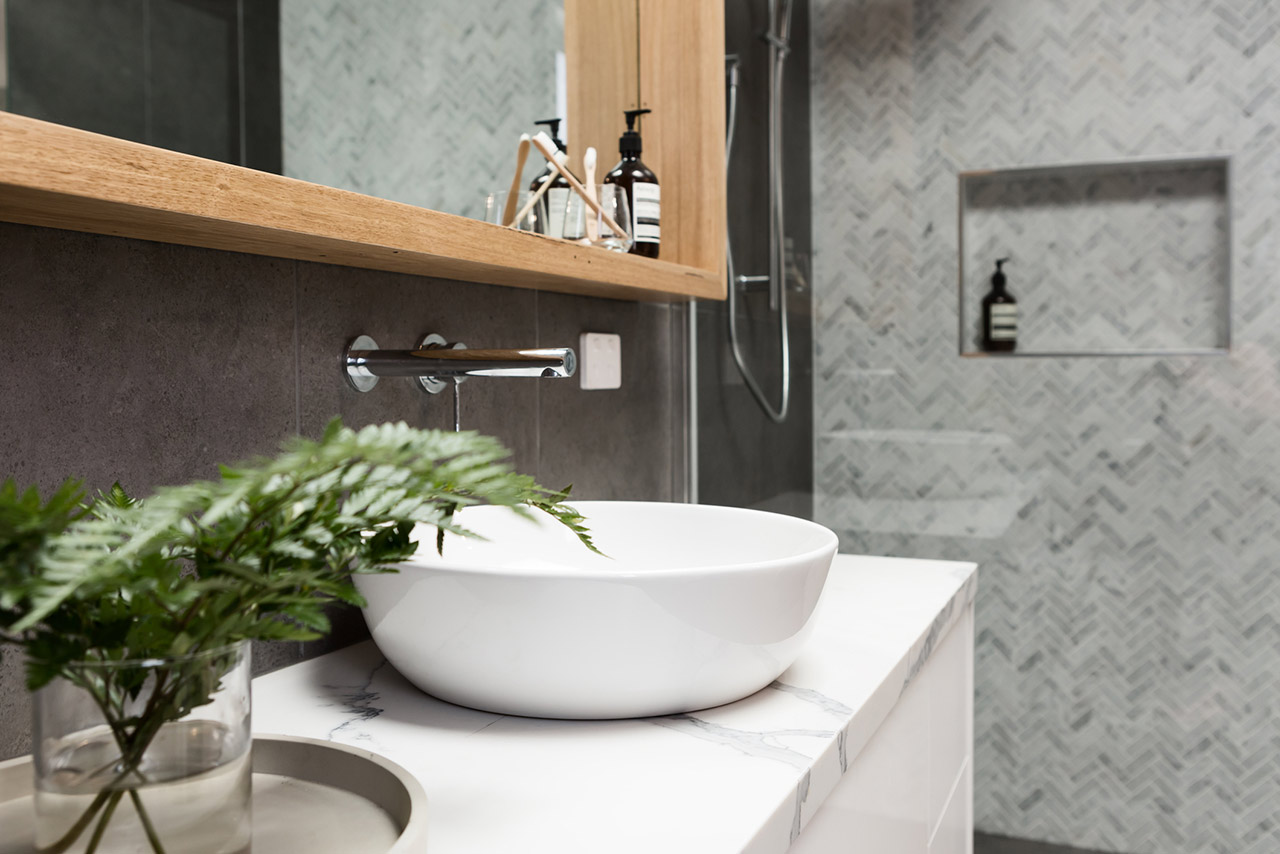
Bathroom details clean white basin with shower tiling behind stock photo

The Top Renovations That Actually Increase Value

Bathroom details clean white basin with shower tiling behind stock photo

When homeowners think about renovations, one question almost always comes first: Will this add value to my home?

It’s a fair question. Remodeling projects can range from a few hundred dollars to tens of thousands, and not every improvement delivers the same return. While some upgrades make a home more enjoyable to live in, others can significantly boost its market appeal and resale value.

If you’re looking to invest wisely, here are the renovations that consistently provide the best return on investment and help attract today’s buyers.

1. Kitchen Updates: The Value Champion

The kitchen remains one of the most important spaces in any home. Buyers often make emotional decisions based on how they feel when they walk into a kitchen, making this room one of the strongest value drivers.

The good news? You don’t necessarily need a complete gut renovation.

High-impact kitchen improvements include:

  • Replacing outdated countertops
  • Updating cabinet hardware
  • Installing modern lighting
  • Refinishing or painting cabinets
  • Upgrading appliances
  • Adding a stylish backsplash

A refreshed, functional kitchen can make an entire home feel newer and more desirable.

2. Bathroom Renovations

Bathrooms are another area buyers scrutinize closely. An outdated bathroom can make a home feel older than it actually is.

Popular upgrades include:

  • New vanities
  • Updated mirrors and fixtures
  • Modern tile work
  • Walk-in showers
  • Water-efficient toilets
  • Improved lighting

Even modest bathroom improvements can create a cleaner, more luxurious appearance that appeals to a broad range of buyers.

3. Curb Appeal Improvements

First impressions matter. Before buyers ever step inside, they’ve already begun forming opinions about your home.

Some of the most cost-effective curb appeal projects include:

  • Fresh exterior paint
  • New front doors
  • Updated house numbers
  • Professional landscaping
  • Fresh mulch and plantings
  • Outdoor lighting

A welcoming exterior can increase perceived value and encourage more buyers to schedule showings.

4. Energy-Efficient Upgrades

Today’s buyers are increasingly interested in homes that reduce monthly utility costs.

Energy-conscious improvements may include:

  • New windows
  • Improved insulation
  • Smart thermostats
  • Energy-efficient HVAC systems
  • Solar panels (depending on market demand)

Not only can these upgrades save homeowners money, but they also help position a property as modern and well-maintained.

5. Flooring Replacement

Few things date a home faster than worn flooring.

Replacing old carpet, damaged laminate, or mismatched flooring can dramatically improve a home’s appearance.

Popular buyer-friendly options include:

  • Luxury vinyl plank (LVP)
  • Engineered hardwood
  • Hardwood flooring
  • Modern tile in high-traffic areas

Consistent flooring throughout the home often creates a more spacious and cohesive feel.

6. Adding Functional Living Space

Additional usable square footage typically translates into higher value.

Potential projects include:

  • Finishing a basement
  • Converting an attic
  • Creating a home office
  • Building an accessory dwelling unit (ADU) where permitted
  • Expanding outdoor living spaces

The key is creating spaces that serve practical purposes for today’s homeowners.

7. Outdoor Living Areas

The popularity of outdoor living has grown significantly in recent years.

Features buyers love include:

  • Covered patios
  • Outdoor kitchens
  • Fire pits
  • Decks
  • Pergolas
  • Comfortable entertaining spaces

Well-designed outdoor areas effectively extend the living space of a home and can make properties stand out in competitive markets.

8. Fresh Paint Throughout

If there’s one renovation almost every homeowner should consider before selling, it’s paint.

A fresh coat of neutral paint can:

  • Brighten rooms
  • Make spaces feel larger
  • Hide years of wear and tear
  • Appeal to a wider audience

Compared to many renovation projects, painting offers one of the highest returns for the investment.

Renovations That Don’t Always Pay Off

While every market is different, some projects often return less than homeowners expect:

  • Highly customized luxury features
  • Over-the-top home theaters
  • Elaborate landscaping with high maintenance requirements
  • Converting bedrooms into specialty rooms
  • Trendy finishes that may quickly go out of style

The goal should be improving broad buyer appeal rather than creating something highly specific to your personal tastes.

The Bottom Line

The best renovations balance personal enjoyment with long-term value. Kitchens, bathrooms, curb appeal, flooring, energy efficiency, and functional living space consistently rank among the smartest investments homeowners can make.

Before starting any major project, it’s worth considering your local market, your budget, and how long you plan to stay in the home. A renovation that makes sense for a homeowner planning to sell next year may differ from one designed for a family planning to stay for another decade.

When chosen wisely, the right improvements can help you enjoy your home more today while increasing its value for tomorrow.

Team of coworker pulling rope together stock photo

The Real Estate Investment Tug-of-War: Cash Flow vs. Appreciation

Team of coworker pulling rope together stock photo

When people talk about real estate investing, two terms come up again and again: cash flow and appreciation. Both can help build wealth, but they do it in very different ways. For investors, deciding which strategy to prioritize can feel like a tug-of-war—especially when markets, goals, and timelines vary so much from one person to the next.

So, which is better? The answer depends on what you’re trying to achieve.

What Is Cash Flow?

Cash flow is the money left over after all expenses are paid. In a rental property, this means collecting rent and subtracting costs such as:

  • Mortgage payments
  • Property taxes
  • Insurance
  • Maintenance and repairs
  • Property management fees
  • Vacancy costs

If your rental brings in $3,000 per month and your total expenses are $2,400, your monthly cash flow is $600.

For many investors, positive cash flow is the ultimate goal because it creates immediate income. It can help cover living expenses, supplement retirement income, or provide financial flexibility without needing to sell the property.

The Advantages of Cash Flow

Cash-flow-focused investors enjoy several benefits:

  • Monthly income that can be reinvested or spent
  • Reduced reliance on market appreciation
  • Greater financial stability during market fluctuations
  • Easier portfolio growth through reinvesting profits

This strategy is often popular among investors seeking financial independence or those looking for predictable returns.

What Is Appreciation?

Appreciation refers to an increase in a property’s value over time.

For example, if you purchase a home for $500,000 and it’s worth $650,000 five years later, you’ve gained $150,000 in appreciation.

Unlike cash flow, appreciation typically doesn’t put money in your pocket right away. The gain is realized when you sell, refinance, or borrow against the property’s increased value.

The Advantages of Appreciation

Investors who prioritize appreciation are often focused on long-term wealth creation.

Benefits include:

  • Potential for significant equity growth
  • Increased borrowing power through refinancing
  • Larger profits when selling
  • Opportunity to benefit from strong market growth

Many appreciation-focused investors target growing neighborhoods, urban centers, or areas undergoing major development because future demand can drive property values higher.

Why Investors Often Have to Choose

Here’s where the tug-of-war begins.

Properties with strong cash flow aren’t always located in markets with the highest appreciation potential. Likewise, properties in highly desirable growth markets may produce little or no monthly cash flow.

Consider two examples:

Investor A: Cash Flow Focused

Purchases a rental property in an affordable market that generates strong monthly income from day one.

Benefits:

  • Consistent monthly returns
  • Lower risk of negative cash flow
  • Immediate income generation

Trade-off:

  • Property values may grow more slowly.

Investor B: Appreciation Focused

Purchases a property in a rapidly growing market where rents barely cover expenses.

Benefits:

  • Strong potential for long-term equity gains
  • Opportunity for significant appreciation

Trade-off:

  • Little or no monthly income initially.

Neither investor is necessarily wrong—they simply have different goals.

Which Strategy Is Better?

The right answer depends on your situation.

Cash Flow May Be Best If You:

  • Want supplemental income
  • Are nearing retirement
  • Prefer predictable returns
  • Value financial stability
  • Plan to hold properties long-term

Appreciation May Be Best If You:

  • Have a longer investment horizon
  • Can comfortably cover short-term costs
  • Want to maximize long-term wealth
  • Are investing in high-growth markets
  • Focus on building equity over income

The Sweet Spot: Both

Many experienced investors eventually seek a balance between cash flow and appreciation.

The ideal investment often offers:

  • Positive monthly cash flow
  • Strong neighborhood fundamentals
  • Job growth and population growth
  • Limited housing supply
  • Future appreciation potential

While these opportunities can be harder to find, they can provide both immediate income and long-term wealth creation.

Final Thoughts

Real estate investing isn’t always about choosing one side in the cash flow versus appreciation debate. Instead, it’s about understanding your goals and selecting investments that align with them.

Some investors prioritize monthly income. Others focus on long-term equity growth. The most successful investors often learn how to leverage both strategies over time.

Whether you’re looking for reliable income today or substantial gains tomorrow, understanding the difference between cash flow and appreciation is one of the most important steps toward building a successful real estate portfolio.

Happy couple having consultations with real estate agent in the office

A Week in the Life of Escrow Explained Simply

Happy couple having consultations with real estate agent in the office

Buying or selling a home can feel like stepping into a world filled with unfamiliar terms, paperwork, and deadlines. One of the most confusing parts for many people is escrow. The word itself sounds technical, but the process is actually much simpler than it seems.

Think of escrow as the “middle ground” between buyer and seller—a secure process that helps make sure everyone does what they agreed to before the home officially changes hands.

To make it easier to understand, here’s a simple breakdown of what a typical week in escrow might look like.

Day 1: The Offer Is Accepted

This is the exciting moment. The buyer and seller agree on the terms of the sale, sign the contract, and officially open escrow.

At this point, a neutral third party—called the escrow company—steps in to manage the transaction. Their job is to safely hold important documents and funds while making sure all steps are completed correctly.

The buyer usually submits an earnest money deposit, which shows they’re serious about purchasing the home.

From here, the countdown begins.

Day 2: Paperwork Starts Rolling In

Once escrow opens, there’s a lot happening behind the scenes.

The escrow officer begins collecting:

  • The purchase agreement
  • Title information
  • Loan documents
  • Seller disclosures
  • Tax and HOA information (if applicable)

This is also when the buyer’s lender starts finalizing the mortgage process. Even if the buyer is already pre-approved, the lender still needs to verify income, assets, and property details before giving the final green light.

It may seem quiet from the outside, but this stage is busy.

Day 3: The Home Inspection

This is one of the biggest milestones during escrow.

The buyer hires a home inspector to evaluate the property’s condition. They check everything from the roof and plumbing to electrical systems and appliances.

Sometimes the inspection goes smoothly. Other times, it uncovers repairs or maintenance issues the buyer wants addressed before closing.

This can lead to negotiations:

  • The seller may agree to repairs
  • The seller may offer credits
  • Or both parties may simply move forward as-is

This part of escrow is less about perfection and more about clarity.

Day 4: The Appraisal Happens

If the buyer is financing the home, the lender orders an appraisal.

An appraiser determines whether the property is worth the agreed purchase price. The lender wants to make sure the home supports the value of the loan.

If the appraisal matches or exceeds the contract price, great.

If it comes in low, the buyer and seller may need to renegotiate terms or adjust financing.

This is one reason escrow exists—to give everyone time to work through issues before the sale becomes final.

Day 5: Loan Approval and Final Details

By this point, many of the major pieces are coming together.

The lender reviews all documents and ideally issues final loan approval. Meanwhile, escrow continues coordinating:

  • Title clearance
  • Insurance verification
  • Final payoff information
  • Closing figures and settlement statements

The buyer also receives final disclosures showing estimated monthly payments, interest rates, and total closing costs.

This is when things start to feel real.

Day 6: The Final Walk-Through

Shortly before closing, the buyer does a final walk-through of the property.

This isn’t another inspection. It’s simply a chance to confirm:

  • The home is in the agreed condition
  • Repairs were completed if promised
  • Nothing unexpected has changed

At the same time, buyers usually arrange to wire their down payment and closing funds to escrow.

Everyone is preparing for the finish line.

Day 7: Closing Day

This is the big moment.

The buyer signs loan documents. The lender sends funds. Escrow confirms everything has been completed, and the county records the sale officially transferring ownership.

Once recording happens, the buyer gets the keys.

The seller receives proceeds from the sale.

And escrow closes the transaction.

Why Escrow Matters

Without escrow, buying a home would feel much riskier for both parties.

Escrow helps protect everyone involved by making sure:

  • Funds are handled securely
  • Contracts are followed
  • Deadlines are tracked
  • Ownership transfers properly

It acts like a checkpoint system that keeps the transaction organized and fair from start to finish.

The Bottom Line

Escrow can sound intimidating, but at its core, it’s simply a structured process that guides a home sale safely from accepted offer to closing day.

For buyers, it’s the period where due diligence happens.
For sellers, it’s the final stretch before handing over the keys.
For everyone involved, it’s the bridge between “under contract” and “sold.”

And while every transaction is a little different, understanding the basic flow of escrow makes the entire experience feel far less overwhelming.

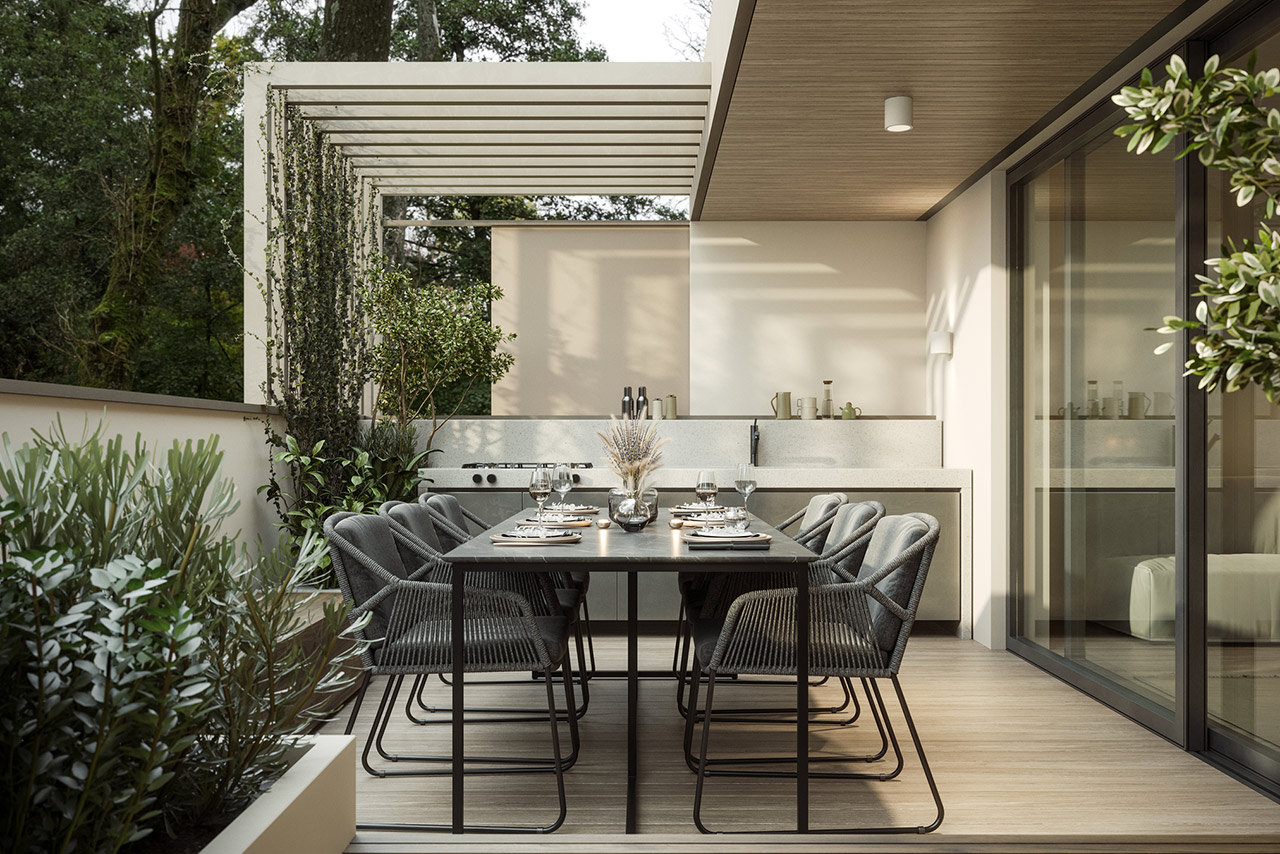
Luxury outdoor table with chairs and built in barbeque

Dream Backyard Features Ranked: What Homeowners Want Most Right Now

Luxury outdoor table with chairs and built in barbeque

There was a time when a backyard was simply a patch of grass and maybe a grill sitting on a concrete slab. Not anymore.

Today’s homeowners see outdoor living as an extension of the home itself—a place to relax, entertain, work remotely, recharge, and spend more meaningful time with family and friends. In many cases, the backyard has become just as important as the kitchen or living room when people evaluate a home.

And while dream outdoor spaces can look different for everyone, a few standout features consistently top homeowners’ wish lists. From resort-style pools to cozy fire pit lounges, these are the backyard upgrades people want most right now.

1. Resort-Style Pools

It’s no surprise that pools continue to rank at the top of backyard dreams. But today’s pools are less about basic rectangles and more about creating an experience.

Homeowners are gravitating toward features like:

  • Baja shelves and tanning ledges
  • Integrated spas
  • Waterfalls and fountains
  • Dark plaster finishes
  • Resort-inspired lighting
  • Seamless indoor-outdoor design

Pools have evolved into statement pieces that turn an ordinary backyard into a private retreat. Even smaller plunge pools are growing in popularity for homeowners who want luxury without sacrificing yard space.

2. Outdoor Kitchens

Backyard entertaining has become more sophisticated, and outdoor kitchens are one of the biggest reasons why.

A simple grill setup no longer feels like enough for many homeowners. Full outdoor kitchens now often include:

  • Built-in grills
  • Pizza ovens
  • Refrigerators
  • Bar seating
  • Prep sinks
  • Smoker stations

The appeal is simple: people want to cook, socialize, and stay connected without constantly running back inside.

For families and frequent entertainers, outdoor kitchens create a natural gathering space that feels relaxed but elevated at the same time.

3. Covered Patios and Outdoor Living Rooms

One of the biggest backyard trends right now is comfort.

People are designing outdoor spaces that feel just as inviting as their indoor living rooms. Covered patios with oversized furniture, outdoor rugs, televisions, and mounted heaters are becoming increasingly common.

Popular additions include:

  • Retractable shade systems
  • Ceiling fans
  • Outdoor fireplaces
  • Weather-resistant sectionals
  • Built-in speakers

The goal is to make the backyard usable year-round instead of just during perfect weather.

4. Fire Pits and Fireplace Areas

There’s something timeless about gathering around a fire.

Fire features continue to rank high because they instantly create atmosphere and encourage people to linger longer outdoors. Whether it’s a sleek gas fire table or a large built-in stone fireplace, these spaces naturally become social hubs.

Homeowners especially love fire features because they:

  • Extend outdoor use into cooler evenings
  • Add visual warmth and ambiance
  • Create cozy conversation areas
  • Make entertaining feel effortless

In many homes, the fire pit area becomes the centerpiece of the entire backyard design.

5. Low-Maintenance Landscaping

Dream backyards aren’t just about luxury—they’re also about convenience.

Many homeowners are moving away from high-maintenance yards that require constant watering, trimming, and upkeep. Instead, they’re prioritizing landscaping that looks polished without demanding every weekend to maintain it.

Popular low-maintenance features include:

  • Artificial turf
  • Native plants
  • Drought-tolerant landscaping
  • Gravel pathways
  • Automated irrigation systems

The shift reflects a broader lifestyle trend: people want beautiful spaces that support a simpler, less stressful routine.

6. Outdoor Dining Spaces

Dedicated outdoor dining areas have become a major priority, especially since more homeowners are embracing casual entertaining at home.

Rather than squeezing a table onto a patio, many are designing intentional dining zones with:

  • Large farmhouse tables
  • Pergolas
  • Bistro lighting
  • Built-in benches
  • Outdoor bars

These spaces encourage longer dinners, easier hosting, and a more relaxed connection to the outdoors.

7. Wellness Features

Backyards are increasingly being designed with wellness in mind.

Homeowners are creating spaces that help them decompress, exercise, and recharge without leaving home. Some of the fastest-growing features include:

  • Cold plunge tubs
  • Saunas
  • Yoga decks
  • Meditation gardens
  • Outdoor showers
  • Swim spas

This trend reflects how homes are becoming more personalized around lifestyle and well-being rather than simply appearance.

8. Smart Outdoor Technology

Technology is making its way outside in a big way.

Homeowners now want backyard systems they can control from their phones, including:

  • Automated lighting
  • Smart irrigation
  • Pool controls
  • Outdoor audio systems
  • Motorized patio covers

Convenience plays a huge role here. Smart features allow homeowners to create ambiance, manage maintenance, and entertain more easily with minimal effort.

9. Sports and Recreation Areas

Families are increasingly looking for ways to make their homes more interactive and fun.

Popular recreational features include:

  • Pickleball courts
  • Putting greens
  • Basketball courts
  • Bocce ball areas
  • Built-in trampolines

These additions transform the backyard into a place where people actively spend time together instead of simply looking at the landscaping.

10. Privacy Features

As outdoor living becomes more important, privacy matters more than ever.

Homeowners want spaces that feel secluded and peaceful, especially in neighborhoods where homes are built closer together. Features that create privacy while still feeling attractive are in high demand.

Some of the most popular options include:

  • Mature hedges
  • Decorative privacy walls
  • Horizontal fencing
  • Pergolas with curtains
  • Layered landscaping

A sense of retreat has become one of the defining elements of a dream backyard.

The Backyard Has Become Part of the Home

What’s most interesting about today’s outdoor trends is that they aren’t just about showing off. They’re about creating spaces people genuinely use every day.

The modern backyard is no longer an afterthought—it’s a lifestyle extension of the home itself. Whether it’s a quiet morning coffee under a covered patio, a family dinner outdoors, or an evening around the fire pit, homeowners are investing in outdoor spaces that improve daily life in meaningful ways.

And while not every dream backyard needs a luxury pool or a full outdoor kitchen, the common thread is clear: people want outdoor spaces that feel intentional, comfortable, and personal.

Because increasingly, the best room in the house might not even be inside.

Couple calculating budget, finance and tax while planning investment, loan and bills at home from above

Top Real Estate Investment Strategies for Beginners

Couple calculating budget, finance and tax while planning investment, loan and bills at home from above

Real estate investing has long been one of the most reliable ways to build wealth, but getting started can feel overwhelming. Between financing, property types, market trends, and renovation costs, many first-time investors hesitate because they think they need a massive budget or years of experience to succeed.

The truth is, most successful investors started small. The key is understanding which strategy fits your goals, risk tolerance, and available time. Whether you’re looking for passive income, long-term appreciation, or a side hustle that could grow into something bigger, there are beginner-friendly approaches that can help you get started with confidence.

1. Start with a House Hack

House hacking is one of the most popular entry points for beginner investors because it allows you to live in the property while generating income from it.

This could mean:

  • Buying a duplex and renting out one side
  • Renting out a spare bedroom
  • Converting a garage or ADU into a rental
  • Purchasing a home with a basement apartment

The biggest advantage? You may qualify for owner-occupied financing, which often requires a lower down payment and comes with better interest rates than traditional investment loans.

For many first-time investors, house hacking creates a unique opportunity to offset mortgage costs while building equity at the same time.

2. Buy and Hold Rental Properties

The buy-and-hold strategy is one of the simplest and most proven ways to invest in real estate. The concept is straightforward: purchase a property, rent it out, and hold it long term while the property appreciates in value.

Over time, you benefit from:

  • Monthly rental income
  • Property appreciation
  • Mortgage paydown
  • Potential tax advantages

Single-family homes are often a great starting point because they tend to attract long-term tenants and are generally easier to manage than large multifamily properties.

The goal isn’t to get rich overnight—it’s to create steady, compounding wealth over time.

3. Consider Short-Term Rentals Carefully

Platforms like Airbnb and VRBO have opened the door for investors interested in short-term rental income. In the right location, a vacation rental can generate significantly more income than a traditional long-term lease.

However, beginners should approach this strategy carefully.

Short-term rentals require:

  • More active management
  • Furnishing and maintenance costs
  • Marketing and guest communication
  • Understanding local regulations and permit requirements

If you live in or near a desirable vacation destination, this strategy may be worth exploring, but it’s important to fully understand the workload before diving in.

4. Look for Value-Add Opportunities

Not every profitable investment property is move-in ready. Some of the best opportunities come from homes that need cosmetic improvements.

A value-add property might need:

  • Updated flooring
  • Fresh paint
  • Kitchen or bathroom improvements
  • Landscaping upgrades
  • Minor repairs

These properties are often priced below market value, giving investors the chance to increase equity through strategic improvements.

The key for beginners is staying realistic. Start with manageable projects instead of major structural renovations that can quickly become expensive and stressful.

5. Invest in Emerging Neighborhoods

Many first-time investors assume they need to buy in the hottest, most expensive neighborhoods to succeed. In reality, some of the best investment opportunities are found in areas that are beginning to grow.

Signs of an emerging market may include:

  • New restaurants or retail development
  • Infrastructure improvements
  • Increasing home values
  • Job growth nearby
  • New construction activity

Buying before an area fully peaks can create strong long-term appreciation potential.

That said, research matters. Spend time studying local trends, rental demand, and future development plans before making a purchase.

6. Understand Your Financing Options

One of the biggest misconceptions about real estate investing is that you need huge amounts of cash to get started.

Many beginners use:

  • FHA loans
  • Conventional loans
  • VA loans (for eligible buyers)
  • Portfolio loans
  • Partnerships with other investors

The financing structure you choose can dramatically affect your monthly cash flow and overall return on investment.

Before buying, make sure you understand:

  • Down payment requirements
  • Interest rates
  • Closing costs
  • Cash reserve expectations
  • Estimated maintenance expenses

Running the numbers conservatively is one of the smartest habits a new investor can develop.

7. Focus on Cash Flow, Not Just Appreciation

A common beginner mistake is buying a property solely because they believe prices will rise in the future.

While appreciation is important, healthy investments are usually supported by strong cash flow first.

Positive cash flow means the property generates more monthly income than it costs to own and operate. Even modest monthly profits can add up significantly over time while helping protect you during market shifts.

A property that barely breaks even may become financially stressful if unexpected repairs or vacancies occur.

8. Build a Reliable Team Early

Real estate investing is rarely a solo effort. Having the right professionals around you can save time, money, and costly mistakes.

A strong investment team may include:

  • A knowledgeable real estate agent
  • A lender familiar with investment properties
  • A contractor
  • A property manager
  • An accountant or tax professional
  • A home inspector

Good guidance can make the learning curve far less intimidating for first-time investors.

Final Thoughts

The best real estate investment strategy for beginners is usually the one that balances opportunity with simplicity. You don’t need dozens of properties or massive capital to begin building wealth through real estate.

Starting small, staying financially disciplined, and focusing on long-term growth can create a strong foundation for future success.

Like most investments, real estate rewards patience, consistency, and informed decision-making. The sooner you begin learning how the process works, the sooner you can start turning real estate into a long-term financial tool instead of just a place to live.