Things You Should Not Throw in the Trash
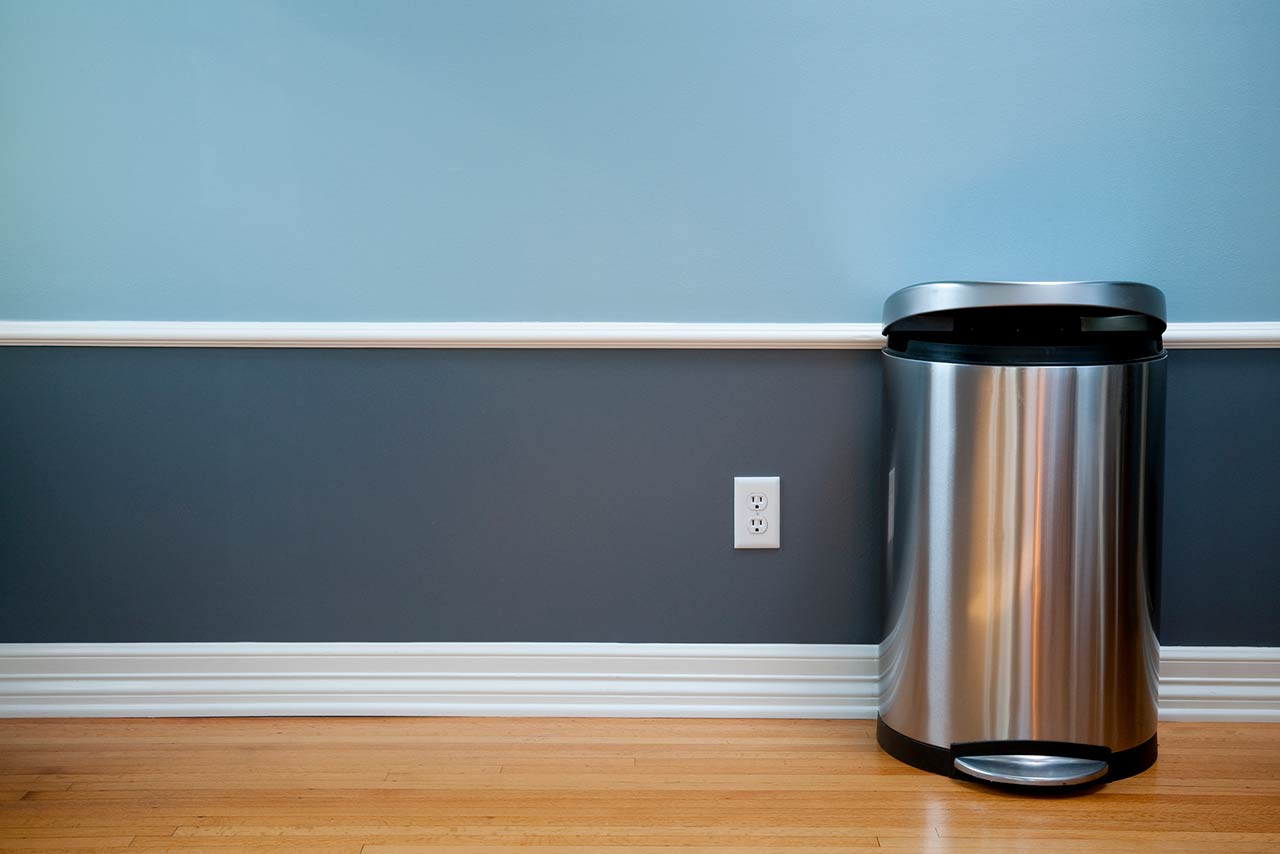
Most of us fall into the habit of disposing of all of our household items when they’ve broken, expired, or simply are no longer useful. But for environmental and safety reasons, here are some items that need to be disposed of with care:

OLD BATTERIES

Batteries contain chemicals like alkaline, zinc, cadmium, and nickel. These chemicals can be hazardous if a battery deteriorates, so take your old batteries to a hazardous waste center.

CFL LIGHTBULBS

CFL bulbs (Compact Fluorescent Lamp) are much more efficient than incandescent bulbs, but they require different care once they burn out, because they contain mercury. Take them to a waste center.

PAINT

Water-based paint is OK to be thrown in the trash. But oil-based paints can be hazardous. You could take them to a hazardous waste center, or you could donate the paint—community centers and non-profit organizations are a good start.

ELECTRONICS

Replacing your computer, or just getting rid of old junk? Instead of throwing your old electronics straight in the dumpster, take them to an e-waste center, or consider donating if the items are still useful.

SMOKE DETECTORS

Make sure to replace them every 10 years. Ionization smoke detectors actually emit a small amount of radiation, so you should mail them back to the manufacturer.

5 Hot Home Trends

When selling a home, it is incredibly important to consider who you are selling to and what they are looking for. Fixr recently surveyed influencers in the industry to discover who’s in the market to buy and what home features are most attractive to them. Here’s what they found!

Open Floor Plans

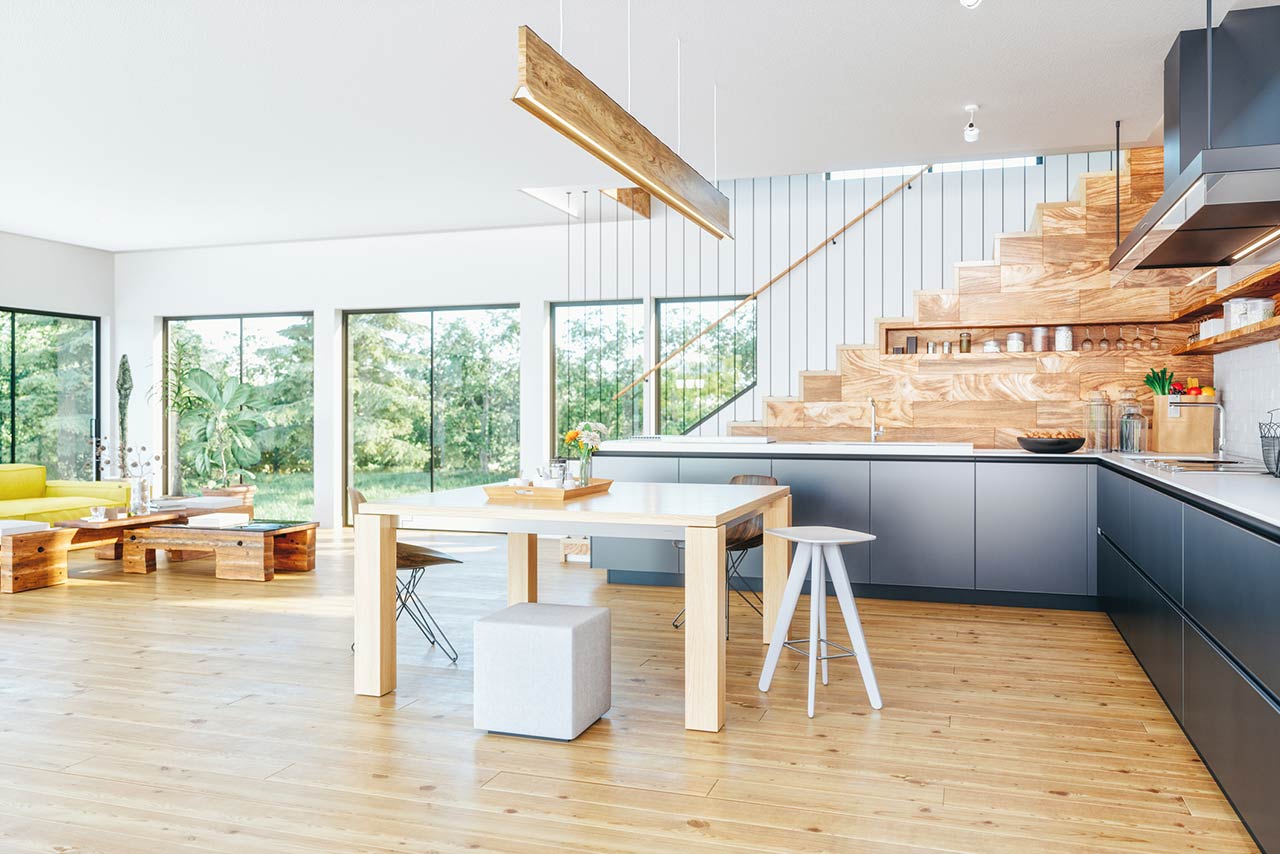
Those surveyed believe that Generation X and Millennials will make up a large majority of buyers this year. They will look for an open floor concept, allowing them to maximize on space, choose from a variety of furniture layouts and decoration, and more easily entertain guests.

Smart Home Features

New technologies for automating your home are popping up every single day. From sprinklers to lights to door locks, smart devices are of great interest to home buyers.

Solar Energy

Finding ways to lower monthly bills is a big goal for many home buyers. A home equipped with solar panels not only achieves this but allows home buyers to introduce renewable energy into their home.

Tiny Homes

Many home buyers are looking to jump on the tiny house trend, particularly those who are minimalists or are first-time home buyers.

Voice Control Features

In line with the desire for home automation, those surveyed believe that the addition of voice-controlled devices in the home are a huge selling point. Although investing in improvements and additions that follow these trends may have upfront costs, the payoff will be worth it. Take them into account as you prepare to sell you home and use them to stage your home more effectively and ultimately help you make the sale.

5 Simple Steps For A Better Home Appraisal

If you’re looking to refinance your home or possibly sell, you’ll need an amazing appraisal. A bank will not refinance a home for more than it is worth, and a potential buyer will not pay more than the recognized value of the home.

Here are 5 simple steps for a better home appraisal.

TIDY YOUR SPACE
Make sure your yard looks well-groomed and the interior of your home is clean clutter-free. It is well worth the investment to have the home professionally cleaned and have your yard serviced.

INVEST IN THE RIGHT TYPES OF RENOVATIONS
Kitchens and bathrooms are the best types of renovations. They will typically provide 80% ROI. High-efficiency appliances and upgrades that improve the overall efficiency of the home are well worth the investment.

DOCUMENT YOUR UPGRADES
Provide the appraiser with a list and documentation of all upgrades, renovations, and improvements to the home.

DO YOUR HOMEWORK
Research and provide your own comparable valuations for similar properties in the area. Note your tone. You don’t want to come off as defensive but rather helpful.

BE AVAILABLE BUT NOT IN THE WAY
Be present to assist with the process but don’t be the appraiser’s shadow. You want to appear helpful, not nervous that he’ll find something wrong!

Appraisals can be helpful in increasing the sale of your home or assisting in refinancing your mortgage. Use these tips and you’ll get a better value for your home.

Prep Your Budget For Buying A Home

Choosing to enter the home buying process is likely the largest financial decision you will make in your lifetime, so it is not one that should be taken lightly. Ensuring that your other current and upcoming financial responsibilities are under control is crucial to having a smooth transaction and being able to enjoy your investment fully. These tips will help you prepare your budget for purchasing your dream home.

Calculate your monthly income. How much money is coming in every month? This is the amount that is left after taxes, health insurance, and retirement savings are taken out of your monthly salary.

Understand your current expenses. Make a list of all your current recurring expenses month to month. Don’t forget to factor in things like loan payments, gym memberships, car maintenance, groceries, self-care appointments, etc.

Determine where you can find savings. Are there any ongoing memberships or subscriptions you don’t use that can be canceled? Can you cut out your daily coffee or eating out lunch? Make these adjustments right away to start saving more.

Boost your financial standing. Before buying a home, it is recommended that you dedicate extra effort to paying off other debts and boosting your credit score. Taking these steps will help you during the loan approval process.

Don’t move finances around. Your lender will review your bank statements during the pre-approval process and then again during underwriting. Any large withdrawals or deposits may throw a red flag so try to avoid these when possible. If you can’t, make sure you have proper documentation to explain the movement of money.

Top Tips For Decorating With Area Rugs

Looking for a fun way to bring an additional pop of color or design to a room with minimal time or money investment? Consider trying out an amazing area rug! Check out these tips for revamping your space with this fun decor piece.

Consider your lifestyle. Do you have two dogs and a cat? A couple of young kiddos running around? You’ll want to take these factors into consideration. Choose a dark color tone to help hid inevitable stains and make sure the material you choose is easy to clean.

Choose the right size. Expert interior designers recommend choosing a rug that is just slightly smaller than the area covered by furniture, leaving enough space between it and the walls for the flooring to still shine through.

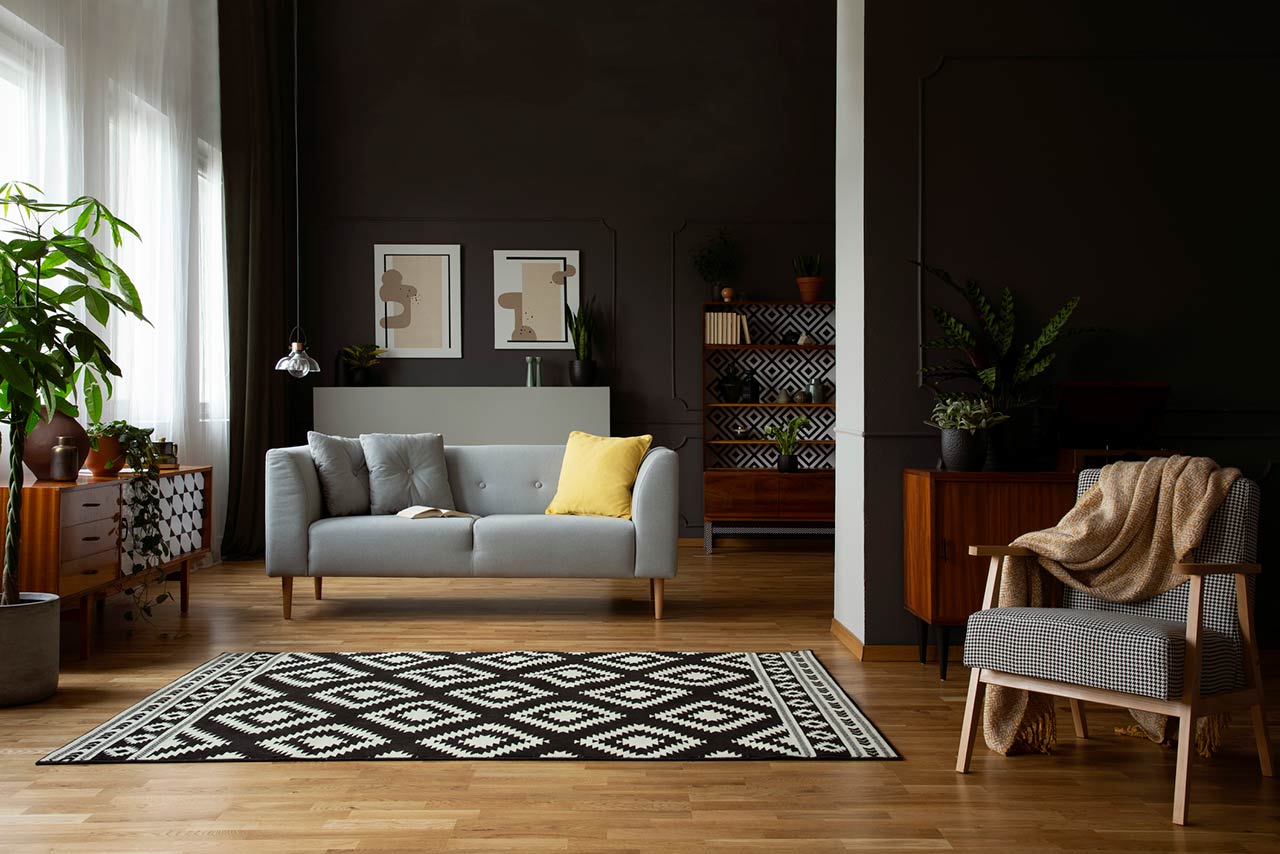
Try these trends. Big bold patterns and rich colors are trending in the interior design space right now and rugs are no different. Try using one as the focal point of the room and select neutral-colored furniture to complement it. Build around the rug. Find a rug that makes a big statement and then builds the room around it. Select furniture placement, accent pieces, and colors based on what ties into it. Define the area.

Looking for a way to create two different areas within a single room? Rugs can help you achieve this by defining where one area begins and other starts, such as a reading nook and dining area. Layer multiple. This daring new trend has just popped up on the interior design circuit. Choose two rugs of different shapes and textures and layer them to create depth and a unique focal point.

4 Things You Need To Know About Making An Offer

You’ve narrowed down your wish list, viewed many homes, and finally found your perfect fit. Time to take the leap and make an offer! This can be both incredibly intimidating and exponentially exciting. So how can you throw your hat into the ring with confidence? Here’s what you need to know to make an offer like a boss!

1. Determine Your Price Limit

Work with your agent to determine if the seller’s listing price is fair based on similar home sales in the area, interest in the home, time on the market, and more. Then, figure out the max offer price you are willing to reach that isn’t too financially taxing and settle on what your starting offer price will be.

2. Add Contingencies

Any home sale generally comes with a set of contingencies that must be met before it can be completed. These can include inspections, repairs, appraisals, and more. These need to be selected carefully, as an offer with too many may be less appealing to the seller.

3. Set Your Settlement Date

When you submit an offer, you must present a date to settle, generally about 60 days after the purchase agreement is signed. You want to give yourself enough time to meet your end of the contingencies, secure mortgage approval, finalize loan details, and more. If you are the responsible party for a delay, you may have to compensate the seller.

4. Prepare For A Counteroffer

You may be going up against other offers or the seller may negotiate, so it’s best to prepare ahead of time for a counteroffer. But this isn’t anything to stress about. Talk through the best strategies with your real estate agent.

What You Should Know About Using Home Equity

One of the huge benefits of owning property is the home equity you can build. But with equity comes the temptation to dip into it if a large expense or possible investment arises. There are many strategic ways to use your equity without ruining any personal financial advances you have made. The most crucial step you need to take is to fully understand your options for tapping into that money and the associated risks.

Simply put, your home equity is the market value of your home relative to any loan balances remaining. There are two main ways to utilize this value. Getting a home equity loan provides you with a lump sum of money that you pay off in monthly installments, generally over five to 15 years. As with any loan, you will be required to pay interest on the amount, but it is usually a fixed rate. Choosing to use a line of credit instead offers similar benefits, but instead of receiving the money up front, you are given a pool you can draw from as needed. With this option, the lender provides a maximum borrowing limit and you can choose to use it or not until it is reached.

Before dipping into your home equity in, either way, it is important to understand the possible consequences. In both instances, your home is used as loan collateral. This means if you are unable to make payments on the loan for any reason, the lender can sell your property or take your home in foreclosure. Additionally, there will likely be closing costs and fees you have to pay in association with the loan.

Hidden Fees To Be Aware Of When Purchasing A Home

Purchasing a home is arguably one of the biggest financial decisions you will make in your lifetime. As you start your hunt, don’t forget there will be other costs associated with your purchase then the price of the home. Here are 5 fees to keep in mind as you begin to budget.

HOME INSPECTION

This is a crucial step in the home buying process. The findings that come from the inspection can help you negotiate price and repairs. Generally, you can expect to pay between $300 to $500 depending on the home and the location.

TITLE SERVICES

Title services encompass the transfer of the title from the seller and a thorough search of the property’s records to ensure to no one will pop up with a claim to the property. Additionally, you may need to buy title insurance which will protect the lender or your investment in the home.

APPRAISAL FEE

Before getting a loan, you will likely be required to get an appraisal of the home to determine its estimated value. This will be conducted by a third-party company and the cost can land anywhere between $300 and $1,000, depending on the size of the home.

HOA FEES

Many communities have a homeowners’ association that enforces monthly fees. This money is used for general maintenance and updates to areas like pools, parks, and more. Typical HOA fees are around $200 per month.

TAXES

The taxes each buyer pays at the closing table differ, but it is not uncommon for it to be up to two months’ worth of county and city property taxes. Additionally, there may be taxes for the transfer of the home title.

Create The Home Office Of Your Dreams

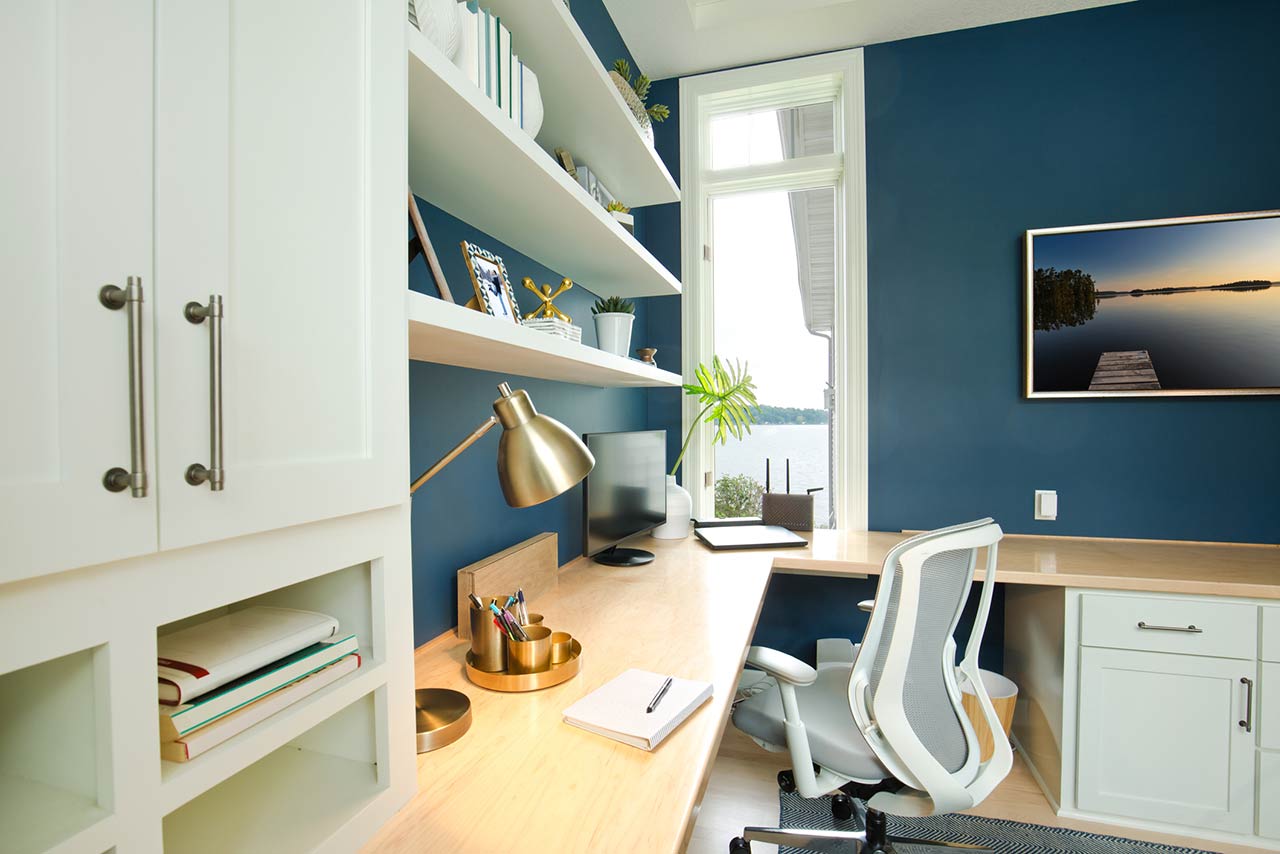
Whether you work full-time at home or occasionally need to conduct business in the evenings or on the weekends, a home office a great way to utilize an extra room. A dedicated workspace in your home can be designed to increase productivity and comfort. Here are 5 ideas to get you started.

CHOOSING A CHAIR

Invest in a good office chair. Investing in an ergonomic office chair is essential. You may be spending anywhere from 30 to 50 hours a week sitting in it, so your back will thank you. Purchasing one with multiple adjustments is ideal so it fits you just right.

THE RIGHT LIGHTING

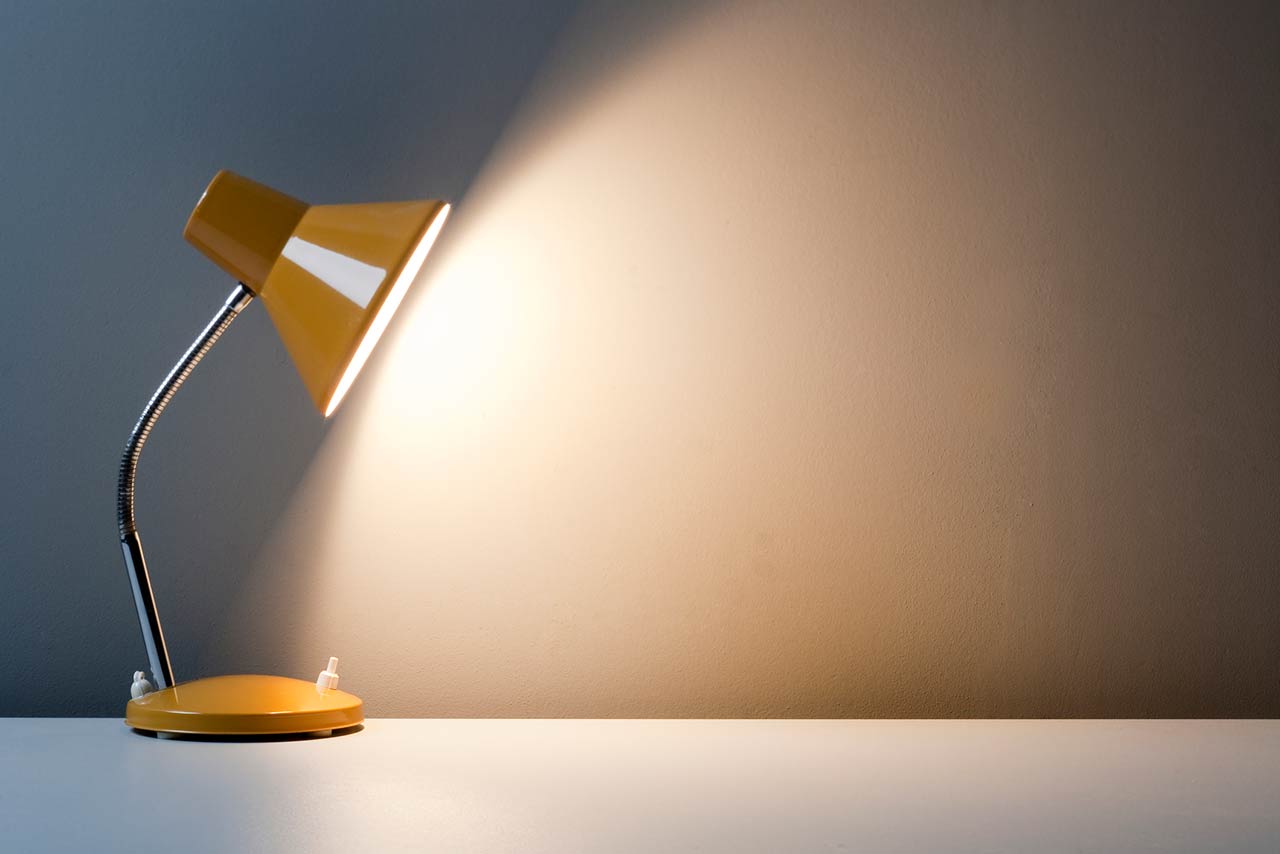
Switch up your lighting. Fluorescent lighting has been proven to be hard on the eyes. Make the switch to LED or halogen light bulbs in your home office and try to let in as much natural light as possible. Also, consider finding a desk lamp to reduce headaches and eye strain.

KEEP IT CLEAN

Keep essentials in reach and organized. Nothing says productivity like a clean, neat workspace. Select a desk with a lot of storage or install creative shelving to keep items like pens, pencils, extra batteries, calculator, notepads, and more stored within arm’s reach.

SPICE IT UP

Decorate bright. Pick a color you love and use it to spice up the room. Use cheery yellow or red or relaxing tones like green and blue, instead of beiges and browns.

IT’S ALL ABOUT THE VIEW

Aim for the view. If possible, place your desk so you are facing a window instead of a blank wall. Natural light can do wonders for staying alert and you can give yourself a short mental break when necessary by looking to the outdoors.

5 Fall Design Ideas That Will Boost Your Creativity

As homeowners pull out Halloween decorations, however, they often take the opportunity to look around their homes and make some more permanent changes. Whether it means splashing walls with a fresh coat of paint or rolling out a new rug, even the smallest changes can make a difference in the way a home looks.

With the cooler fall temperatures, this is the perfect time to tackle those interior design projects homeowners have put off all summer. As an additional bonus, your home will be ready for entertaining friends and family this holiday season. Here are eight of the latest design trends to help inform your decisions as you redo your own living spaces.

Reclaimed Wood

Not only is reclaimed wood good for the environment, but it is attractive, as well. You can craft everything from light fixtures to desks using salvaged wood.

Space-Saving Design

Even if you aren’t challenged for space in your new home, you can always use more space. With a little creativity, you can free up extra storage space and extend the size of your home.

Mixing Metals

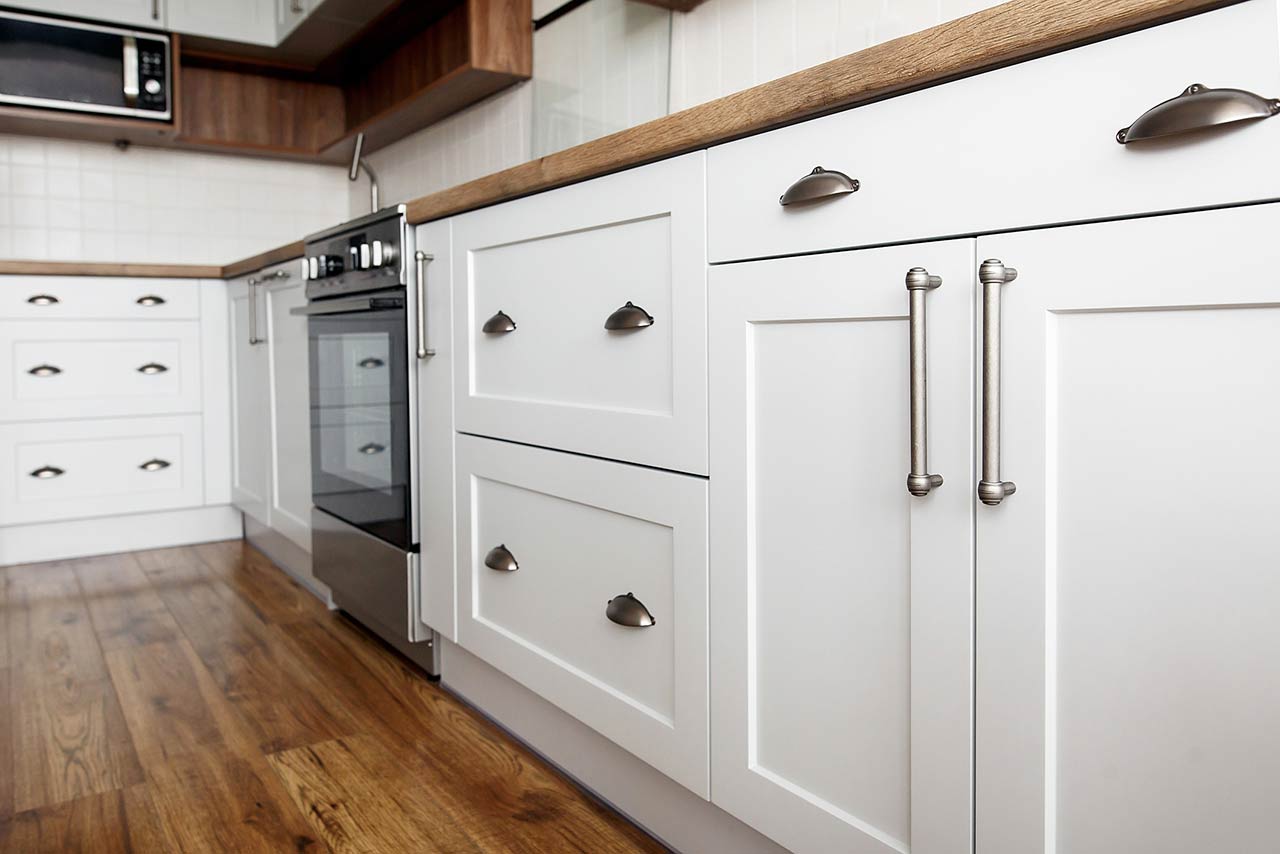
Historically designers have worked hard to achieve uniformity in the metals in a room. If a kitchen had stainless steel appliances, the last thing a designer would consider was gold knobs and handles on cabinets. But multiple metals in one room is gaining in popularity, as demonstrated in these designs.

Mismatched Colors and Patterns

Instead of painstakingly matching every item in each room, this new design trend frees you up to pair items that wouldn’t have normally been matched. With the right touch, you can even make different patterns and clashing colors work together.

Mixing Some Old with Some New

It’s a great time for homeowners on a limited budget, since budget decorating is all the rage. Combine new items with finds from thrift stores and garage sales for a trendy, eclectic look that catches the eye and impresses guests.

This fall, update the look of your home with one of these exciting design trends. You’ll have something to show off when family visits for the holidays and you’ll give your home a new look going into the new year. Best of all, many of these ideas can be done with minimal expense, keeping your budget free as you prepare for the gift-buying season.