Moving On A Budget

Purchasing a new home is likely one of the largest financial investments you will make in your lifetime. And on top of the home cost itself, there are additional expenses that come along with this life milestone, like moving costs. Follow the below ideas for moving on a tight budget!

Compare DIY to professional moving services. Don’t instantly assume that moving yourself is going to be cheaper than hiring help. Collect three to four quotes from various moving companies and compare that to the cost of the truck, dollies, moving pads, and compensation for friends and family who help. If it nets out to be about the same or just slightly different, consider the stress professional help could eliminate.

Move in the off season. If you are flexible with your move at all, consider moving in the fall or winter. By scheduling your move in the off season, you could potential save up to 30 percent on hiring movers.

Don’t pay for boxes. Hunt your office for leftover boxes from deliveries or post on social media to see if any family members or friends have extras hanging around the house. You should also check behind stores like Walmart for any discarded boxes or ask a customer service member in the evenings once new inventory has been stocked.

Purge your home. Decrease the items you need to move by doing a full purge of your belongings. Move from room to room in your home and toss or donate anything that you haven’t used in a year. This will not only help make packing a breeze, but it eliminates unnecessary weight, which is generally used by movers to estimate cost.


How To Save Water (and Money!) At Home

As a homeowner, if you don’t maintain good water-saving habits, you could be sending more money than necessary straight down the drain every year. Start saving by trying out the tips below!

Replace the shower head. Daily showers account for a huge portion of water usage at home, especially if you have multiple people residing in the house. To help cut down on water used during each shower, swap out your normal shower head with a WaterSense-certified replacement that uses fewer gallons of water per minute. According to the EPA1, this can save a family of four up to 2,700 gallons of water a year.

Fix leaking faucets. According to Forbes2, a leaking faucet can result in up to 20 gallons of wasted water a day. To avoid the expense that comes with this waste, make it a habit to check your faucets regularly for leaks and repair them quickly. Most of the time, it’s a quick fix and can be done with a faucet repair kit purchased online or at a home improvement store.

Don’t hand wash dishes. In this day and age, most homes are equipped with water-efficient dishwashers. By running a mostly full or entirely full load in the dishwasher, you use 1/6 less water than if you hand wash your dishes.

Water your garden by hand. Using a hose to water your outdoor plants and garden can result in a lot of waste. Try opting for an old-fashioned watering can, allowing you to keep your yard alive and well while also controlling the amount of water used each time.

Build Your Ideal Home Office On A Budget

If you work from home full-time or even part-time, having a dedicated space in your home to sit down and focus is crucial. It should be a comfortable, organized space and everything you need should be easily accessible. And, luckily, creating a motivating workspace doesn’t have to be expensive.

The first step in creating the home office of your dreams is to select the right space or room. It’s most ideal to find a spot with natural light and possibly a nice view of the outdoors. Once you have this selected, consider adding a fresh coat of paint to set the tone for your workspace or select a bright, fun wallpaper print.

Next, it’s time to furniture shop! Measure your office area and find a desk that fits. To avoid overspending on this piece, think outside the box and look on Facebook Marketplace, OfferUp, or Craigslist. Do you have room for a comfy chair or sitting bench? You may also want a floor or desk lamp, bookshelf, or side table to fill out the room. You can also find these for a reasonable price on these sites.

Once you have your furniture in place, hunt for organizational items like a drawer set if your desk doesn’t have one, desk organizer, file holder, pen holder, and more. Keeping your space clean and organized will help you stay motivated and focused. Then add some desk décor, plants, and wall art into the mix. All these items are fairly inexpensive and can be found at T.J. Maxx, Marshalls, or on Amazon.

Must-haves For Your First Home

You’ve just purchased your first home and it’s time to start filling it up. But, where to start? Below is a list of must-haves for each room in your home!

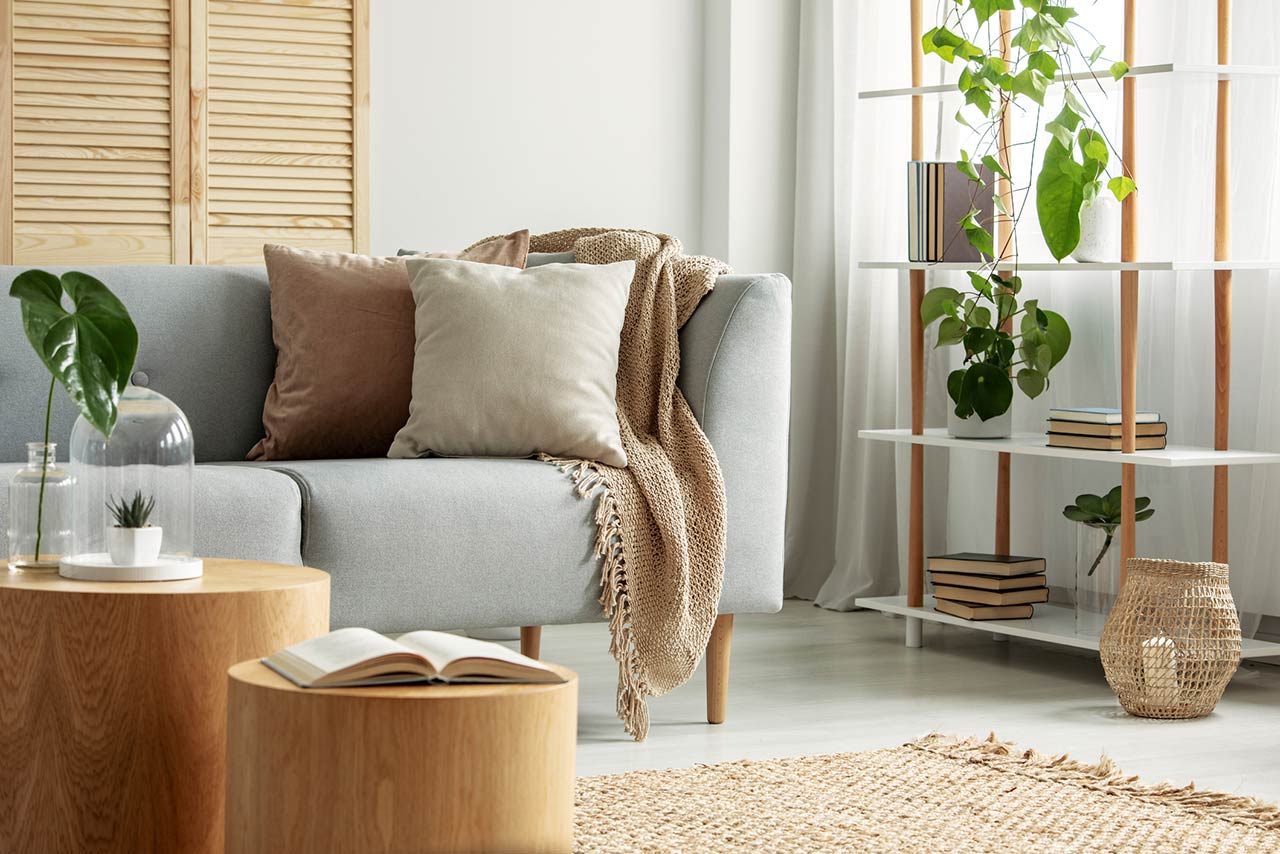
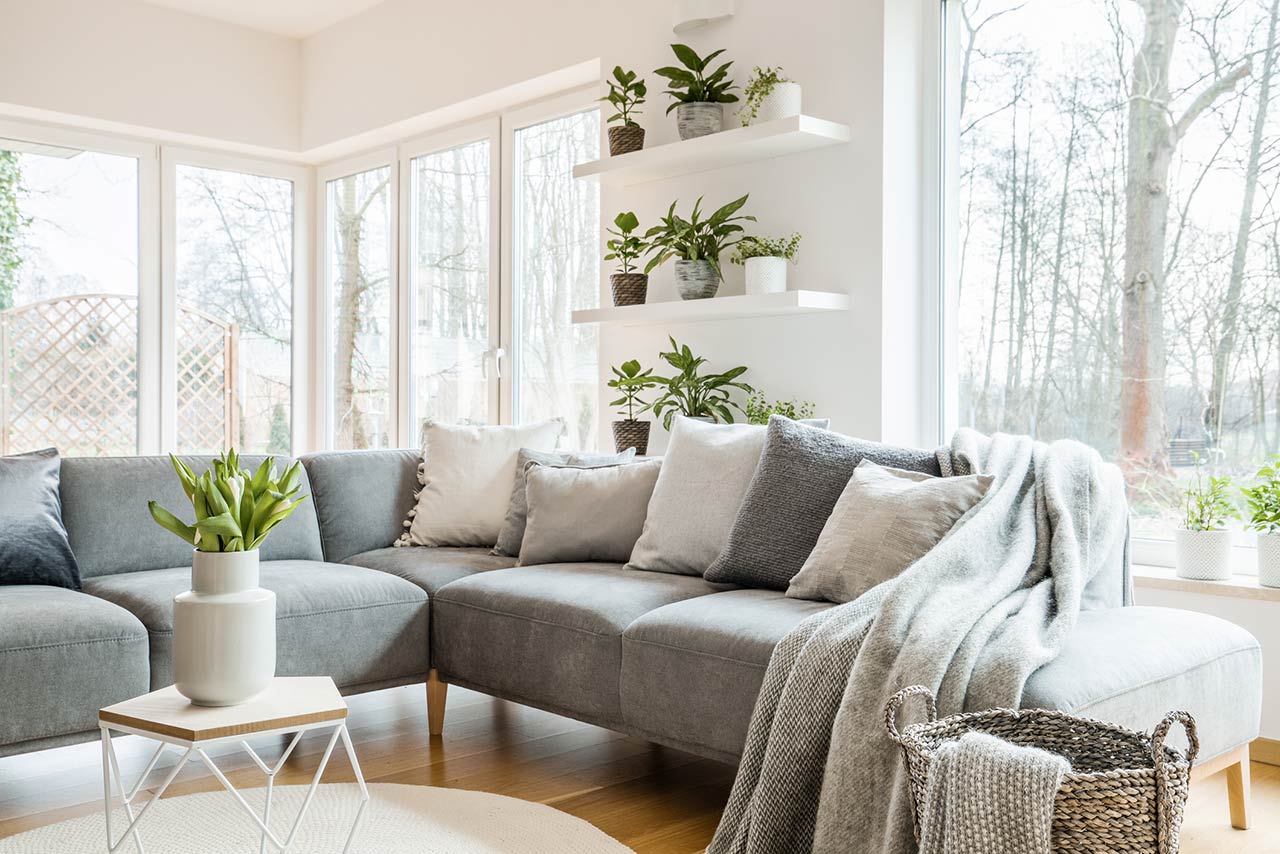
Living room. Aside from standard furniture, like a couch, chairs, coffee table, and television, there are a few other staples you should consider purchasing, such as a plush rug, floor lamp, TV stand with cupboards or drawers, and throw blankets.

Kitchen. On top of dishes, silverware, and glassware, don’t forget other kitchen essentials such as a can opener, bottle opener, toaster, strainer, oven mitts, baking sheet, measuring cups and spoons, and cooking utensils. Plus, it’s a good idea to stock up on basic seasonings, oil, and other commonly used condiments.

Bedroom. When you think of your bedroom, purchasing a bed frame, mattress, bedding, dresser, hangers, and bedside table are the first items that come to mind. In addition to those, you may want to consider picking up a table lamp, laundry hamper, wall or full-length mirror, wall or door hooks, and under bed storage bins.

Bathroom. A bath mat, shower curtain, shower liner, toothbrush holder, hand soap dispenser, plunger, and toilet brush are must-have items for each bathroom in your home.

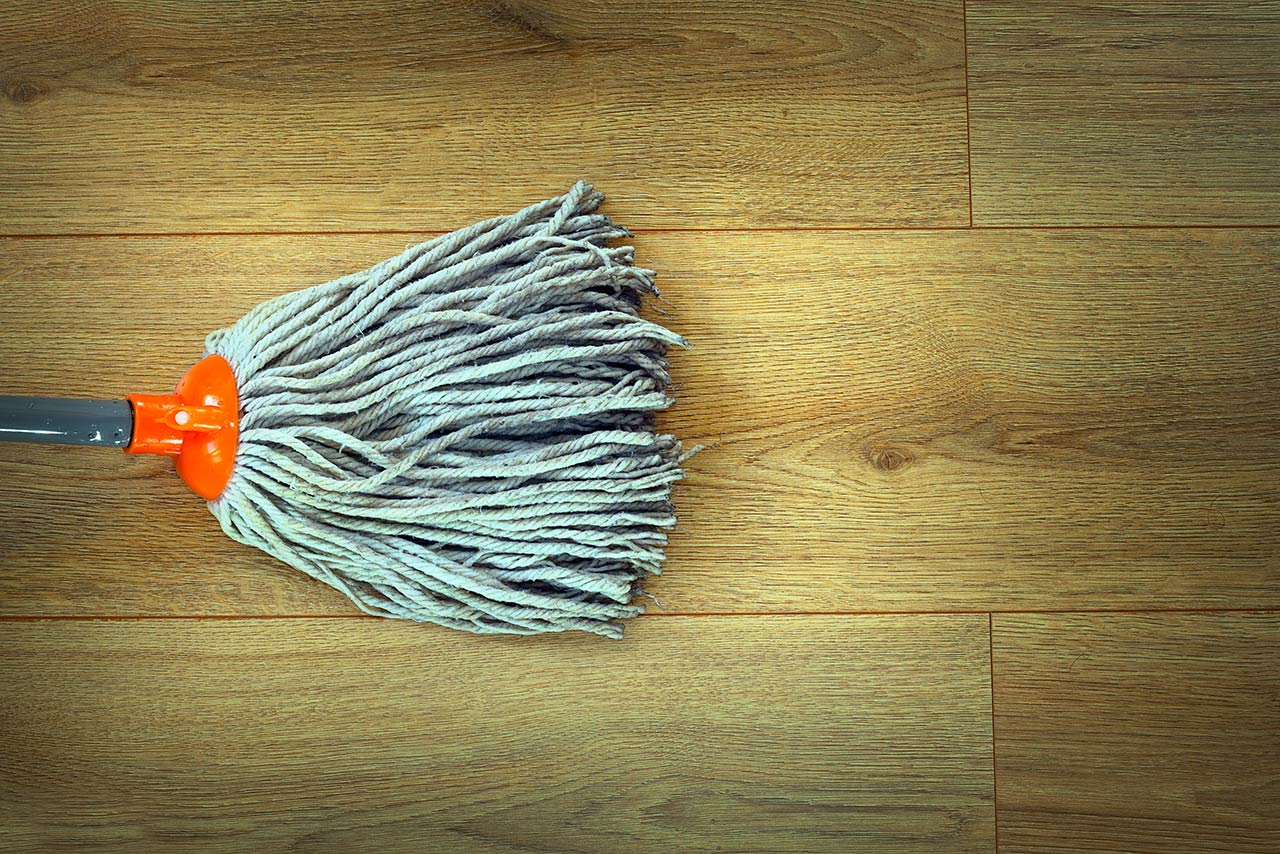
Cleaning supplies. New home means new cleaning supplies. Start by purchasing dishwashing soap, laundry detergent, hand soap, disinfectant spray, glass cleaner, floor cleaner, mop, broom, and sponges.

Other. It’s always a good idea to keep a few maintenance and safety essentials on hand in your home. Some items to consider are a step ladder, small safe, first aid kit, batteries, flashlight, lighter, extension cord, toolbox, and duct tape.

How To Use Mirrors To Feng Shui Your Home

Feng shui is the practice of using spatial arrangement and orientation to create synergistic, harmonious surroundings in a room or home. Mirrors of many shapes and sizes are often used to achieve this because they help bring light and movement into space and move energy throughout a room. Here are some tips for placing mirrors in your home!

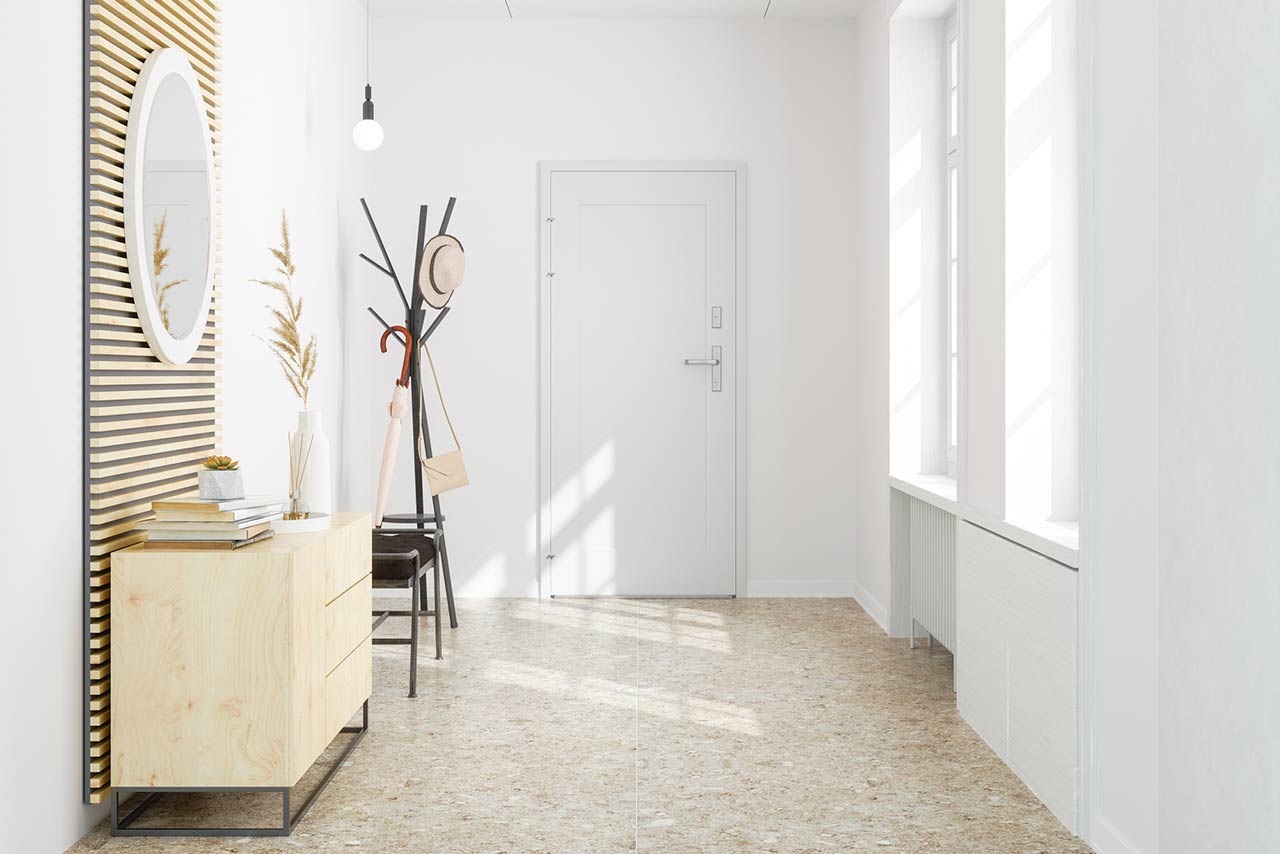
Add a mirror to your home’s entryway. Adding a mirror in your foyer is recommended by feng shui experts because it’s where energy flows into your home. Make sure to place it on a wall perpendicular to the door as opposed to directly across from it.

Place a mirror in your dining room. Experts recommend placing a mirror in your dining room to invite more wealth and abundance into your home.

Hang mirrors along your hallways, not at the end. If you’re hanging a mirror in your hallway, place it along the length of it. Placing a mirror at the end of a hallway is said to slow or stop the flow of energy throughout that area of your home.

Be careful when placing a mirror facing a window. In most cases, a mirror facing a window is a good practice as it brings nature and light inside. However, if there are any structures like electrical poles, wires, pipes, etc. outside the window, experts say that mirror placement can bring negative energy instead.

Keep mirrors out of the kitchen. In the feng shui practice, kitchens are considered areas of negative energy. By keeping mirrors out of this area, you avoid doubling that negative energy.

5 Harmful Homeowner Habits To Break

Being a homeowner is one of the biggest milestones in your life. You feel excited and proud to take care of your new house and truly turn it into a home for you and your family. To keep your house in the best shape possible, here are five bad homeowner habits to avoid.

Damaging doors. Slamming your doors can have a huge impact in the long run as it can slowly pull your doors out of alignment and potentially create gaps and cracks near your exterior doors, letting air seep in and boosting your utility bill.

Harmful humidity. Showers lasting over 10 to 12 minutes at high water temperatures can increase chances of mildew and mold growing in your bathroom. Over time, this can also cause the paint on your ceiling to bubble and peel from condensation.

Abusing appliances. Clean the lint tray in your dryer after every use, run the oven cleaning cycle at least once a month, and try to wipe down your stovetop and microwave down regularly to avoid grease and residue build up.

Soiling surfaces. After eating a meal, applying makeup, or working and playing outdoors, try to wash your hands before touching walls, cabinets, and doors. Plus, make it a house rule to remove shoes at the door to avoid tracking dirt onto carpets and rugs.

Punishing pipes. Although not the best of topics, a clog in your pipes or main drain can be a huge pain and costly to fix. Regularly clean hair out of your sink and shower drains and avoid flushing cleansing wipes, paper towels, or feminine products down the toilet.

Why You Should Invest In A Rental Property

Investing in real estate can be a great alternative to traditional investments and many owners choose to rent out their property. Here are some of the top benefits for getting into this line of business!

Increase over time. Money being put towards real estate investments has increased substantially over the past few years. This is due to an influx in demand of rental properties and an increase in rental rates. These continue to trend upwards, meaning your property’s value will continue to increase as well.

Security. Unlike investing in stocks, your investment growth is a lot steadier with a very minimal chance that you can lose it all overnight. Generally, experts can predict when the market will start to dip in advance, and you can adjust accordingly.

Create passive income. Investing in a rental property (or four!) can make you money while you sleep and the rent you collect can cover or exceed your mortgage payment and other expenses, allowing you to bring in extra cash flow.

Tax breaks. As a real estate investor, you can take advantage of several tax exemptions. Rental income is not subject to self-employment tax and government provides tax breaks on insurance, repairs, legal fees, and property taxes.

Inflation. Although normally a bad thing, people who own rental properties actually benefit from inflation because, as the cost of living increases, so does your income.

Flexibility to sell. Renting out a home allows the homeowner the opportunity to be selective about when and if they sell while the home is still appreciating. Once the market is in the right place and the lease is up, they can pull the trigger.

Dealing With Scratched Hardwood Floors

Hardwood floors are highly desirable for most homeowners, but they come with their share of challenges when it comes to cleaning, maintenance, and repairs. After a few months or years of heavy use from kids playing with toys and chairs being shuffled around, it may be time for some DIY fixes.

Hiding scratches: If you’ve got a good eye for matching colors, you can actually use crayons or markers or purchase wax sticks from the hardware store to fill-in scratches. Try to match the stain color on your floors, but don’t worry if it’s a little off. If the color is close, once the scratch is filled, it’ll look like a variation in the wood grain.

Polishing floors: You can make a polish solution for your floors from household ingredients. Mix olive oil and vinegar in equal parts, pour it directly into scratches, and then wipe it off after 24 hours. It may take several applications, but this homemade polish will fill and cover most scratches.

Clever decor: It’s not a long-term solution, but sometimes the most painless way to fix scratches in your floors is to cover them with a rug or furniture arrangement.

Spot sanding: For deeper scratches, you’ll need to spot sand with fine steel wool or sandpaper, use wood filler, and stain and seal the repaired area.

Reconsider These Choices When You’re Designing Your Kitchen

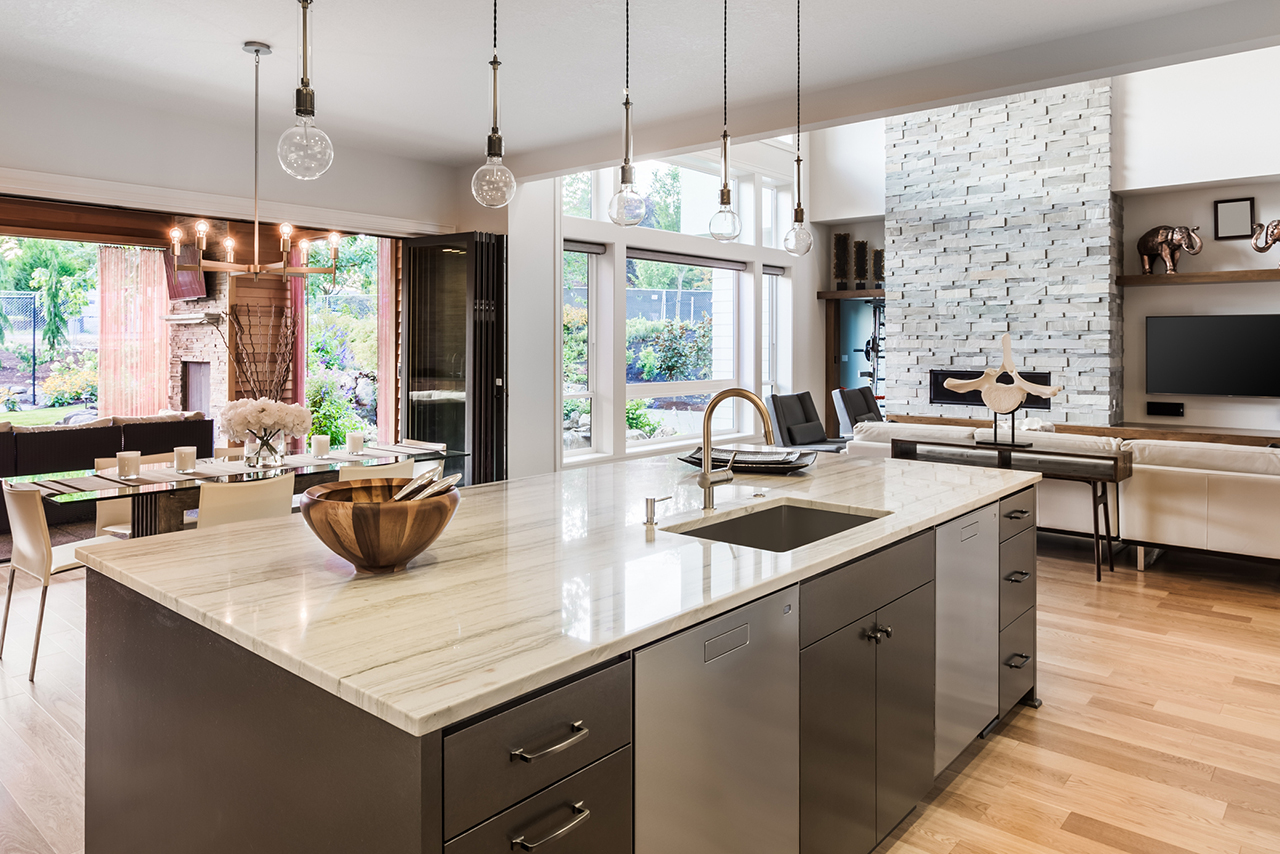
The kitchen is one of the areas of a home that sees the most wear and tear. All the water, heat, and food spills add up quickly, so it’s important to focus on quality and lasting appeal if you’re choosing materials for a kitchen remodel. Here are a few things you should avoid:

Cheap laminate counters: The bottom rung of laminate is extremely susceptible to wear and tear. It can melt if you forget to place a hot pad under a pan that’s fresh off the stove, and the edges can chip off from repeated exposure to moisture and heat.

Flat paint: A flat or matte finish is great in rooms with lower traffic, but it’s a bad idea in the kitchen, where the walls are regularly exposed to splatters and spills. You need paint that can withstand an occasional heavy scrubbing, so opt for gloss or semi-gloss finishes.

Trendy backsplash: If you watch any home remodeling shows, you’ve certainly seen kitchens with expensive, elaborate backsplash designs and materials. Those trends can be pricey to pursue, yet can look dated in a hurry. Subway tile is a cheaper, classic option that you’ll never regret—and you’ll have more room in your budget for quality materials elsewhere.

Cheap flooring: Just like the countertops, your kitchen floor needs to be strong enough to take some abuse. Cheap flooring easily scuffs and peels (especially from moisture). Quality flooring is worth the investment.

From Decorating To Staging

There is a difference between the two and here’s how to get your home ready to sell. Once you’ve decided to put your home on the market you’re looking to sell quickly for the best possible price. One tactic that can help sell your home faster is staging.

At first, staging may seem like a real estate term that doesn’t actually mean anything. Isn’t staging just decorating? Well, not exactly…

APPEAL TO THE MASSES
Your home is likely decorated to your tastes. It could be colorful and eclectic, or rugged and industrial. But when you’re staging your home, rather than appealing to a specific decorating sense, you want to furnish your home in a way that appeals to everyone—and more importantly, doesn’t turn anyone off who just isn’t into your personal style.

TONE DOWN THE PERSONAL FLOURISHES
Buyers want to be able see themselves in a home and imagine how they’d make it their own. Unfortunately, that means less of your own style as you’re preparing for your move. Cut down on family photos, bold artwork, and unusual furniture. Do some major decluttering so the buyer can see all the space and storage opportunities. It may be sad to start removing the items that make your house a home, but it’s an important part of the process.

MASS APPEAL DOESN’T MEAN “BORING”
Your staged home can still be colorful, just stay away from extremes. If you paint, stick to whites, grays, or neutrals. Add flourishes of color with window treatments or accent furniture, but try to choose items that will appeal to both genders.

CALL A PRO
There are likely several staging companies in your area. If you need a recommendation, reach out to your trusted real estate professional.