How You Can Finance Your Home Renovation

Outdated kitchen. Overrun backyard. Unusable basement space. If you have a home renovation project on the mind, the first thing you have to consider is how you are going to finance it. Here are the most common options to make your dreams become a reality.

Cash. Paying in cash is the most straightforward financing option, just save until you have enough money to cover the expenses. This will help eliminate spending outside your budget; however, it can also extend your timeline.

Mortgage Refinance. If you’ve been making payments on your home for a few years and your interest rate is higher than current market rates, you may be eligible for a mortgage refinance, reducing your payments and freeing up some money.

Cash-Out Refinance. You can tap into your home equity and borrow up to 80 percent of your home’s value to pay off your current mortgage plus take out more cash to cover the renovations. This option is encouraged only when you’re making improvements that will increase the value of your home, as it can add a lot of interest and fees.

Home Equity. Getting a home equity line of credit allows you to borrow money against the value of your home. You receive usually up to 80 percent of your home’s value, minus the amount of your loan.

Retirement Funds. Homeowners can consider pulling money from a 401K or IRA account, even though they aren’t specifically meant to cover a home renovation. This option might incur additional penalties or tax payments, but may be worth it when making improvements that will benefit them financially in the long run.

Tips For Making Your Home More Peaceful

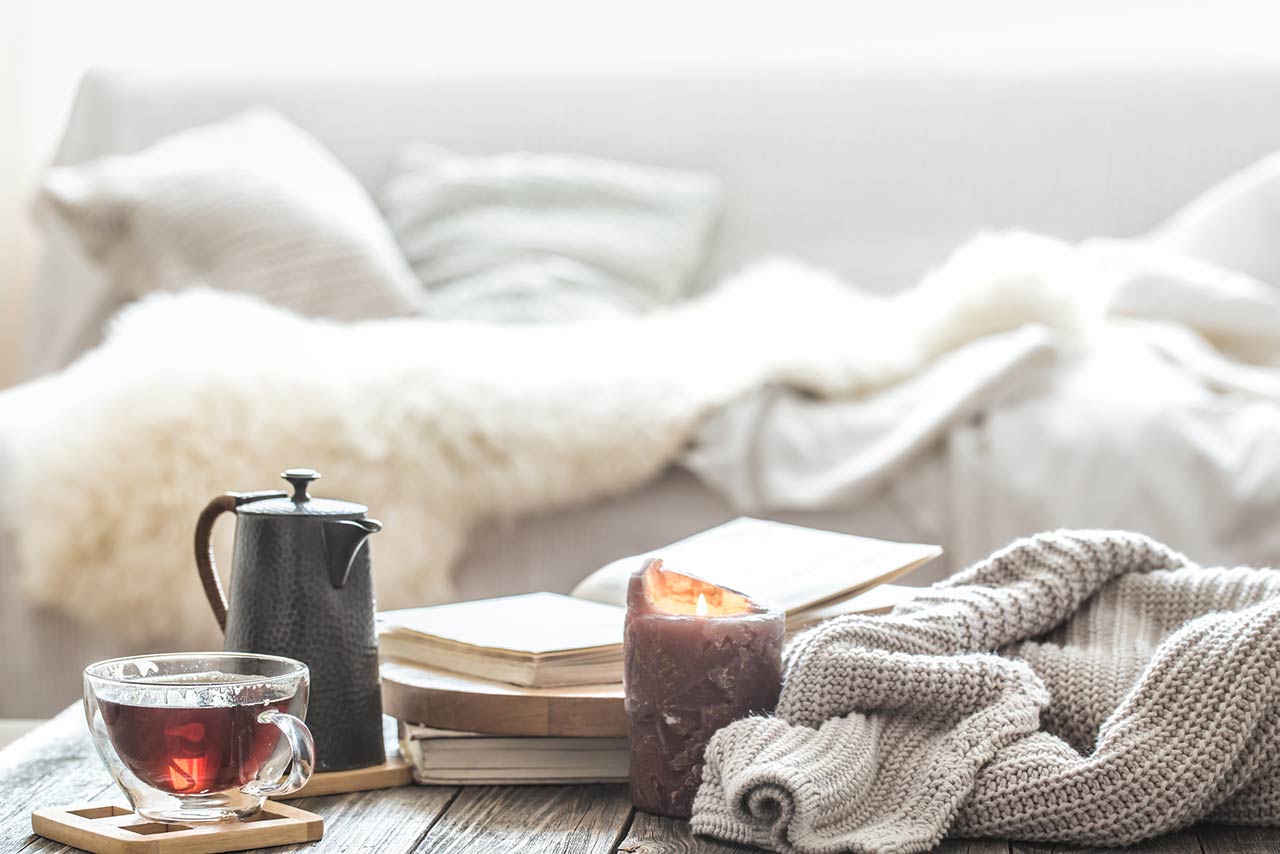
Many things in our world are out of our control, but one thing you can control is your home environment. There are many simple changes you can make to instill some much needed peace into your living space. In order to create a peaceful environment in the home, make sure everything you see, smell, hear, and touch gives you a calm feeling inside.

It can be stressful and overwhelming to see all your knick-knacks and papers sprawled across your desk or table. Make it a habit to declutter and organize each room at least once a week to keep a zen-like state of mind.

Another way to increase the peace in your home is making sure it smells wonderful. Candles and air fresheners work well, but if you want to give your home a truly soothing scent, consider an essential oil diffuser. There is a huge variety of essential oils, but hints of lemon, peppermint, or sandalwood can really help introduce a sense of calm in your home.

On to the ears! To add soothing sounds into your home atmosphere, find a good speaker system to play smooth jazz or natural sounds as you work or relax at home. Or, if you prefer silence, consider soundproofing a room to cancel out outside noise.

Finally, consider adding a plush blanket to your couch or bed to settle down with in the evenings or add a soft rug to hug your toes as you walk around!

Backyard DIY Projects

Summer is just around the corner so it’s the perfect time to start planning some fun projects for your backyard. Whether you are looking for new ways to entertain and host friends or you want to surprise your spouse or family with an improved aesthetic, here are some DIY projects that can help make your backyard even more spectacular.

Fire Pit – If you buy the stones and materials yourself, you can make a fire pit in less than a day and for under $100. Get ready for some s’mores and scary stories around the campfire right from your backyard.

Tree Swing – Making a tire swing is another cheap project that can be completed in less than a day. You will need a chain, rope, drill, wood for the seat, and a healthy tree to hang it from. Buy a pre-made tree swing seat to make this process even easier.

Garden Bed – This is a great project for DIY lovers with a green thumb. Get ready to eat your own home-grown herbs and vegetables when you create a garden bed in your yard. Make sure to use cedar for the boundary because it is rot-resistant.

Outdoor Lighting – Brighten up your backyard with some easy lighting ideas, such as hanging lanterns, lining wired lights on your trees, or adding some fixtures along your walkway. Make your backyard a soothing retreat with some ambient lighting.

Bird Feeder – Show some love to your neighborhood birds by creating a bird feeder for your backyard. Make sure to place your feeder away from any windows and in a high area so no other animals can reach it. Get ready for some lovely bird songs.

How To Curate Art For Your Home

The right artwork can transform any room in a home, plus it has the unique ability to display the homeowner’s personality, character, and energy. Because of that, choosing the right pieces can feel a little overwhelming sometimes. Use the below guidelines to help you get started.

Find a Statement Piece

One of the easiest ways to select art for a room is by starting with one central piece. This could be a meaningful photograph, colorful painting, or eclectic print. Once you find one piece you really love, use it as an anchor and select other pieces to complement it.

Play with Colors

Often, people get caught up in the idea that artwork must match the color theme of the room it’s displayed in. Although this is a great starting place, don’t be afraid to think outside the box and choose art in contrasting colors to catch the eye or try implementing black, white, or gray pieces.

Be Selective with Size

When selecting artwork for a room, knowing where it will be placed on the wall can help determine sizing. As a general rule of thumb, pieces of art should be hung about 57 to 60 inches from the ground and leave 6 to 8 inches between them and the top of furniture.

Try a Gallery Wall

If you have a large wall begging to be filled, a gallery wall could be a great option. This allows you to incorporate a lot of different pieces in one place. Your gallery wall could contain artwork and images of the same texture, color, and material or you can mix and match different prints, photographs, décor pieces, and frames.

Benefits Of Houseplants

Houseplants are great natural decoration pieces to occupy a corner, window sill, table, or shelf, but they also offer many health benefits that can enhance your physical well-being.

Air quality. In the late 1970s, many buildings were constructed with limited fresh air exchange and ‘superinsulation’ in an attempt to minimize energy costs. However, occupants began to report various health problems. This phenomenon, known as ‘sick building syndrome,’ was caused by the lack of fresh air entering the building and emissions of ‘various organic compounds’ from synthetic insulations. In 1989, NASA conducted a study to counteract ‘sick building syndrome’ and their results were nothing short of remarkable. They found that certain houseplants can absorb pollutants in the air through their soil and improve air quality dramatically. The study found that plants, such as Chrysanthemums, peace lilies, English ivy, and ficuses, do a great job combating indoor air pollution.

Decreasing stress. According to a 2015 study conducted by scientists at Chungnam National University, interacting with plants “can reduce physiological and psychological stress.” During the study, half the participants completed a task on a computer while the other half repotted a plant. They found that working with plants inspired comfortable feelings and reduced more stress compared to completing the computer task.

Sleep. The 1989 NASA study discovered certain plants have the ability to remove pollutants from the air and this natural process could improve your sleep. We release a lot of carbon dioxide when we are sleeping, but plants like aloe vera or snake plants can absorb that carbon dioxide and replace it with oxygen.

Minimalism Ideas For Your Home

Minimalism has been a dominating theme in design and architecture over the past few years. What started as an art movement in the 1960s has become a mainstay for interior designers that creates peaceful, eye-catching spaces with limited furnishings and selective decorative pieces. Minimalist decor is focused on the concept of ‘less is more’ and this idea places a lot of importance on functionality, tidiness, and organization in the home. Here are a few tips to bring minimalism into your home.

Eliminate the Clutter. There are many things homeowners keep around the house on the off-chance they are needed, but usually they never are. Take control of your space by throwing away any loose papers, magazines, or trinkets that aren’t getting any use and do a weekly check to see where clutter is piling up.

Choose Decorations Wisely. It’s a natural inclination to try to fill all the empty space on a wall, but in many cases, this design style can become a bit overwhelming and noisy. Instead, try to find a defining piece of art or decor that can act as a focal point or centerpiece. Then, the empty space surrounding it will accentuate the piece.

Focus on Function. When you’re deciding on whether or not to keep something in your space, just ask yourself, “Do I actually use this?” If it’s an item that is used daily, it makes sense to keep it, but if you can’t remember the last time you used it, it might be better to toss it. If something is used intermittently, you can still clear your space by finding a cabinet or drawer to keep it out of sight.

If You’re Selling, Improving Your Curb Appeal Can Make A Huge Difference

Curb appeal is a big factor for home buyers. The exterior of your home is the first thing buyers will see when they come to a showing or open house, and you want to make a great first impression. And even if you’re not selling your home, these are low-cost, low-time investment fixes that can make a big difference.

Fix Landscaping Eyesores
A brown, dead lawn—or an overgrown one—isn’t the best way to welcome buyers to your home. If your lawn is in need of repair, consider watering it regularly. If your grass is healthy, keep the lawn freshly mowed. An appealing lawn can be worth more than $1,500 in the final price of your home.

Shutters And Siding
It’s easy to let your exterior walls fall into disrepair, or even to let them get a little dirty. A good scrubbing or power washing can make your siding look brand new, and you can touch up any major issues with some paint. The same goes for your shutters.

Add Some Living Accents
So far we’ve covered fixing what’s broken. Next, it’s time to add a little personality. Planting flowers will add some much-needed color to an otherwise ordinary outdoor space. Potted plants will do the trick too, especially if you have a deck or patio that needs a little decorating.

Work On Your Walkway
The path to your front door should be inviting. A stone walkway from the driveway instantly upgrades your curb appeal. And if you’ve already taken care of that part, tidy up by removing weeds and debris, and then line the walkway with some subtle lighting. It’ll make your home look cozy and appealing, day or night.

What Do First-time Homeowners Want?

As a first-time homebuyer, it’s understandable that you would be very selective about the home you purchase. This is likely the largest financial investment you’ve made in your life so far so you want to ensure you’re going to get exactly what you want. That’s why, as a seller, it’s important to be aware of the most desirable features for buyers. Check out the five below.

Location. This one should come as no surprise. Location has always been key. Buyers are looking for low crime rates and nearby stores. Families with young children are looking for great schools and parks nearby. Young professionals are looking for easy access to work, restaurants, and nightlife.

Extra storage. A garage with floor space and shelves. An extra bedroom that can be converted. A backyard shed. Or a closet under the stairs. Adequate storage space is highly sought after.

Updated kitchen and bathroom. Many buyers are in the market for high-end, modern appliances, finishes, countertops, and more in their kitchens and bathrooms.

Large patio or backyard. This feature may make or break a first homeowner’s decision to purchase. Many times, these buyers are coming from smaller living spaces like apartments and are looking for a place to entertain guests, enjoy the fresh air, and play with kids or pets.

Smart appliances. These have been on the rise for years and aren’t going away anytime soon. Homeowners are looking for these devices to help them save money on energy, connect with friends and family, secure their home, and add convenience.

Your Guide To The Home Appraisal

You’ve found your dream home and now it’s time to cross all your T’s and dot all your I’s before it’s all your own. And one of the first items on your closing checklist is the home appraisal. So, what exactly is that?

The home appraisal is essentially a value assessment of the home and property. It is conducted by a certified third party and is used to determine whether the home is priced appropriately.

During a home appraisal, the appraiser conducts a complete visual inspection of the interior and exterior of the home. He or she factors in a variety of things, including the home’s floor plan functionality, condition, location, school district, fixtures, lot size, and more. An upward adjustment is generally made if the home has a deck, a view, or a large yard. The appraiser will also compare the home to several similar homes that were sold within the last six months in the area.

The final report must include a street map showing the property and the ones’ compared, photographs of the interior and exterior, an explanation on how the square footage was calculated, market sales data, public land records, and more.

After it is complete, the lender uses the information found to ensure that the property is worth the amount they are investing. This is a safe-guard for the lender as the home acts as collateral for the mortgage. If the buyer defaults on the mortgage and goes into foreclosure, the lender generally sells the home to recover the money borrowed.

Entertaining At Home

One of the joys of homeownership is getting to host your friends and family on various occasions. Here are a few hosting tips for your next party!

Pick a theme. Once you select a theme, planning the rest of the party is simplified. The menu options are pared down, finding decor inspiration is as easy as a Google search, and guests will have attire direction. Some common themes are fiesta, backyard BBQ, wine and cheese night, and garden party.

Plan your menu. Whether you are serving small appetizers or a formal dinner, it’s important to survey your guests for food allergies or preferences (ie. vegan, vegetarian) to ensure you offer options for everyone.

Stock up on refreshments. When it comes to drinks, it’s better to overstock than understock. Make sure to have alcohol staples on hand, such as beer, wine, vodka, and bourbon. Equally important is ice, fruit garnishes, and a good supply of juices and soda that can be used for mixing as well as drinks for children and those who don’t partake in alcohol.

Don’t forget the kids. Hosting a party with children in attendance? To ensure their parents get to enjoy the party, plan a few child-friendly activities. Purchase coloring books and crayons, pick up children’s board games, or have a couple age-appropriate movies queued up.

Make sure you have fun too. By having a flexible timeline for the party and setting aside time to prep ahead of people arriving, you can minimize the stress of hosting. Make sure you take time to talk to all your guests, enjoy the food you’ve prepared, and have some drinks (alcoholic or not) too!