Fixing Common Gas Grill Problems

Summer may be officially winding down, however there are still many BBQs ahead, so you need your grill in tip top shape. Here are some of the most common gas grill problems and how to fix them!

Excess Smoke: If your grill is releasing an unusual amount of smoke when you turn it on, there may be an accumulation of grease at the bottom that needs to be cleaned. Use a strong grill brush to give it a proper cleaning and make sure to preheat it for fifteen minutes before using it again.

Ignition Problems: If your igniters aren’t producing any flames, there could be a variety of problems. If your ignition is independent of the body of the grill, then you may have a malfunctioning button or faulty wiring and the parts will have to be replaced. Otherwise, check to see if the igniter is clogged or has any blockages. The wiring and switches may have to be replaced if all else fails.

Uneven Heat: Grills with uneven heating can cause poorly cooked meals and annoyance. Make sure the holes along your burners are free from any residue. A good scrub with a grill brush should do the trick.

Orange-Yellow Flames: If you are seeing orange-yellow flames coming from your grill, there may be a problem with the control valves or venturi tubes. To fix this, locate the adjustment screw and turn your grill to low. Then, loosen the screw until the flame has a bluish tint. Afterwards, make sure to turn off the gas and tighten the venturi tube screw.

Low Flame, Low Temperature: When your grill isn’t reaching high enough temperatures, there could be a problem with the fuel line regulator. Fixing the regulator involves disconnecting the gas line and turning all control valves to high for one minute.

How To Plant A Tree In Your Yard

Have you ever wanted to change the landscape of your yard by adding a tree or shrub? Whether you have a green thumb or are a green dud, with proper preparation and some good tips, you can successfully do it yourself.

The first step for planting a tree is to purchase a tree seedling from your local hardware store or tree nursery. It’s important to measure the width of your roots because this will determine the size of your planting hole. Your hole should be at least three times as wide as the root mass of the tree seedling. As for the depth, be sure to dig a planting hole that is deep enough for the roots, but doesn’t cover the base of the tree trunk with dirt. It’s important for the entire trunk to be above the soil and some experts even leave some of the root ball above as well.

Once your planting hole is dug, inspect your tree seedling to make sure the roots aren’t creating a bunched up circular pattern, as this may affect the tree’s growth. If you do see patterns forming, simply tear apart the roots from the pattern and don’t worry about lost soil. Place your tree seedling in the planting hole and make sure to eradicate any air pockets by lightly tapping the soil, hand-packing the soil, or spraying the soil with water after planting.

After you plant your new tree, make sure to water it every day for the first seven days. After the first week you can start watering your tree every other day for the next seven days and you can gradually decrease the frequency after that point. Then, enjoy the new addition to your yard!

Ideas For Closet Organization

A chaotic closet is a recipe for disaster when you’re trying to get ready. But a nice, organized one can help ensure you’re on time for any occasion with an outfit that’s sure to impress. These organization tips and ideas can help!

If you are lacking space or hangers, start with getting rid of or storing rarely used items. Typically, many clothing items are seasonal. Save space by vacuum sealing these items and putting them in the garage or under a bed until the season comes around.

If you have enough space, adding a small dresser inside your closet is a great idea for storing items that don’t require hanging, such as socks, undergarments, swimsuits or trunks. This will vastly reduce the clutter.

Use divider hangers to separate different types of clothes. This will make it much easier to find certain items and will give you a framework to keep your clothes in order after laundry day.

Utilize all walls and vertical spaces in your closet. Hang your hats, belts, and more on the walls by using wall hangers or nails. If you don’t want to risk potential damage, you can also buy an over-the-door organizer that has pockets for socks, shirts, shoes, or small items.

Lastly, integrate bins and baskets into your closet organization to make sure every item has its place. These come in various sizes and styles to fit any shelf and help conceal items that you may need to put away quickly and easily.

Tips For Hanging A Large Painting

Found a stunning, large painting to perfectly complement your home? It’s important to follow a few rules of thumb while hanging it to maintain the integrity of your wall and your painting.

The weight of your painting is the key factor in determining the proper hanging method, so before you start hammering nails or finding studs, weigh your painting on a scale and note the weight. If your painting weighs less than five pounds, you can simply use adhesive wall hooks or mounting tape to hang it. You don’t have to make any holes in your wall or use any nails for paintings of this size.

Paintings that weigh between five and twenty pounds should be hung with a drywall anchor. You don’t need to find a stud to install these anchors and all you’ll need is a drill to make a couple holes in your drywall.

If you want to hang a painting that weighs between 20 and 50 pounds, you will need to find a stud in your wall. The stud is another name for the wooden frame of your wall, which is the strongest part. After you find your stud, you can use a thin metal nail to hang paintings up to 20 pounds or you can use a threaded wooden screw for paintings up to 50 pounds. You can also opt for hanging hooks as an alternative.

The safest way to hang paintings over 50 pounds is to use a rail-cable. These large metal cables can be attached to rails on the ceiling to hang paintings up to 300 pounds.

By following these guidelines, you’ll have your new piece of art displayed beautifully in your home in no time!

What To Repair Before You List

When you’re getting ready to list your home, it’s of the upmost importance to ensure you are showing it in the best light. Taking time to highlight its strengths and fix up some of its possible weaknesses can make a big difference in how fast it sells. Here are top five recommended repairs to make before selling your home.

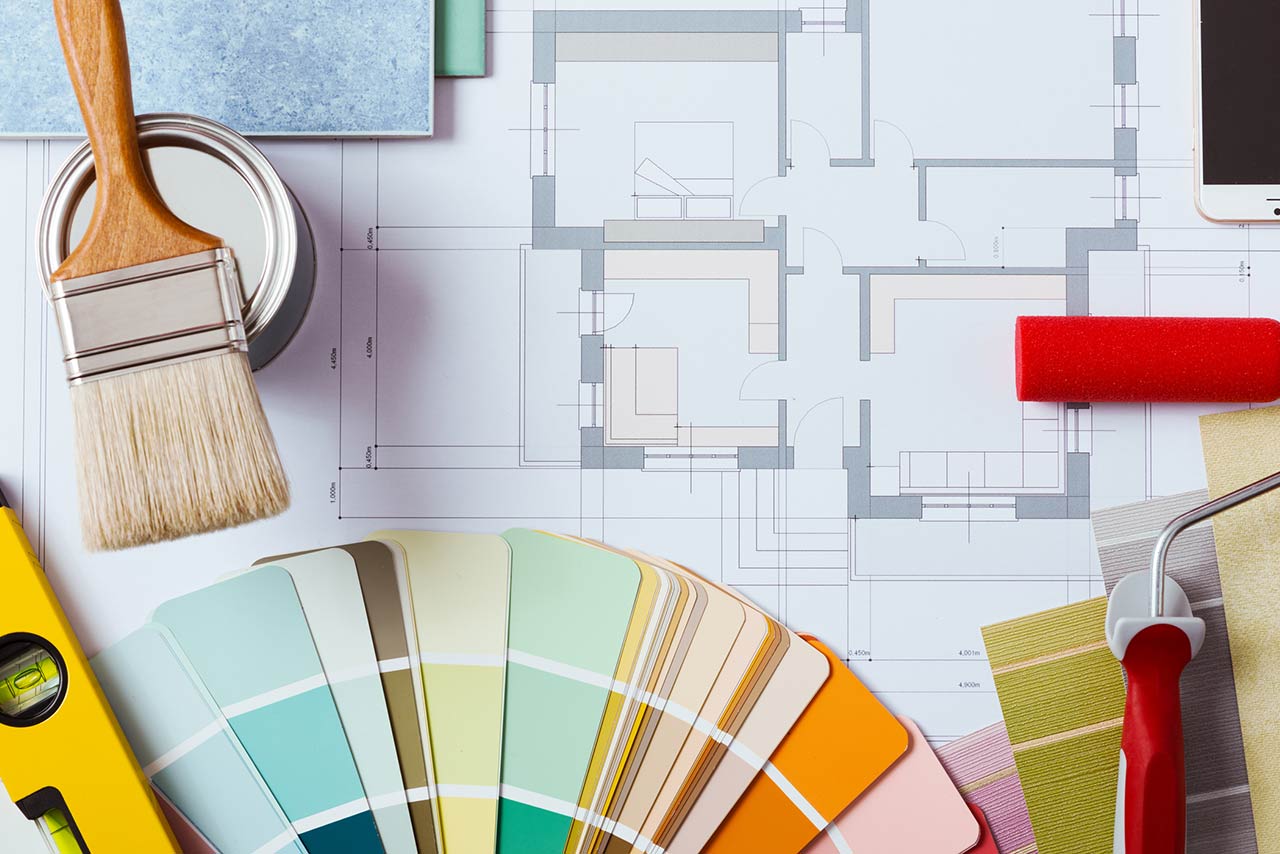
Repaint walls. Giving your home a fresh coat of paint is one of the most cost-effective ways to spruce it up, and generally, it can be a do-it-yourself project. Make sure cover any walls with scratches and chips and consider updating any accent walls with a more neutral coat.

Repair floors. Hardwood floors are a very desirable feature in a home, so you want to ensure they look their best by fixing scratches or dull areas. If your carpet is worn or stained, consider replacing them. And don’t forget the tile in your kitchen or bathrooms. Re-grouting can go a long way in making dingy tile work look brand new!

Refresh the landscaping. Show buyers your home is the full package by dressing up the outside as well as the in. Clean walkways and driveways, plant seasonal flowers and plants, trim hedges and trees, install outdoor décor pieces and fill in mulch and gravel.

Fix your fixtures. Leaky faucet? Rusted drains? Loose drawer handle? Making these small fixes can make a big difference to potential buyers with detailed-orientated minds.

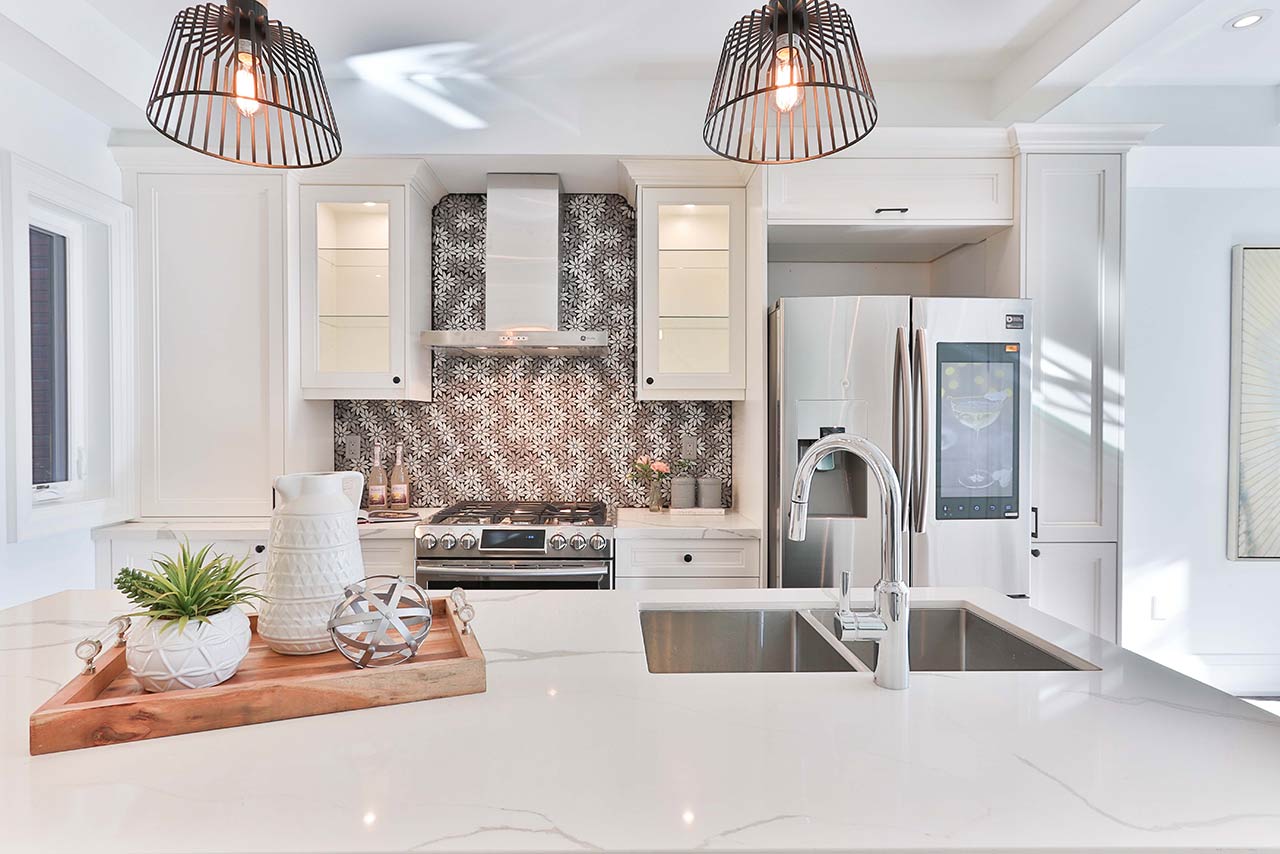
Improve your kitchen. An outdated kitchen can be a real eyesore in a home. Updating cabinetry, repairing or replacing countertops, and installing new faucets and sinks may be worth the investment.

Find & Clean The Dirtiest Places In Your Home

We all strive to keep our homes clean, but dirt and grime always seems to build up in certain places. It may be impossible to keep every area completely polished, but it helps to know which places accumulate the most germs and are commonly overlooked in our cleaning routines.

Stove Knobs. One of the dirtiest places in the kitchen are stove knobs. These little knobs can gather a lot of old food from our pots and pans or from our fingers. It doesn’t help that many of these knobs are black and can hide stains easily.

Bed Sheets. We spend a lot of time in our beds, which makes our bed sheets a great place for germs to nest. It’s recommended that bed sheets and pillowcases are cleaned at least once a week.

Faucet Handles. The next time you wash your hands, check your faucet handles for soap scum and water spots because these handles are a breeding ground for dirty grime. Clean these once a week to keep them shiny.

Kitchen Sink. So many bits of food fall into our kitchen sinks and sometimes they can go unnoticed for days. The next time you do the dishes, make sure to give your kitchen sink a good cleaning!

Sponges. Although it may seem counterintuitive, the thing we clean everything with can be hiding a lot of germs. Sponges should be replaced every 14 days and you can minimize the germs in your current sponge by microwaving it.

The Best Things About Home Ownership

If you own a home, there was certainly a lot that went into your decision to buy rather than continue to rent. Now you’re enjoying all the advantages of homeownership. Here are the top five.

Building wealth: When you own a home, you have an asset that will likely increase in value over time. It provides great security, and the opportunity to essentially live “rent-free” in your retirement years when the home is paid off.

Freedom to make it your own: Landlords can be strict about customizing rental properties. Most don’t even allow their tenants to paint. But when you own a home, the possibilities are endless. Get rid of a wall, or paint it any color you like. It’s your property.

Building equity: Every mortgage payment you make, and every improvement you make on the home, is putting money back into your pocket. Unlike with renting, owning a home gives you more than just a place to live. You can use your home equity to get loans and even cash for emergencies.

More freedom and stability: Studies show that homeowners have a better sense of pride and security than renters. When you relax in your own home, you know it’s the result of hard work and planning, and that you have the freedom to change it as you wish.

Tax advantages: Homeowners can deduct the interest paid on home loans and property taxes—that’s a big break that comes up every April 15.

Stay Healthy This Summer

A few simple tips for improving your personal health

Summer is the time for family vacations and road trips, backyard barbecues, and days at the beach. But as the pace of life slows down after the hustle and bustle of winter and spring, it’s also a great time to make some small health-conscious changes that can make a big difference at the end of the day. Here are a few simple-but-effective tips for improving your personal health this summer.

Eat more berries
Eating a cup of mixed berries each day can have tremendous health benefits. Berries are rich with antioxidants, which help prevent tissue damage and lower the risk of age-related illnesses. It’s just a small change to your diet, but a little goes a long way!

Have some fun while exercising
This doesn’t have to mean hitting the gym. Make the most of the summer weather by doing activities that are both fun and keep you moving. Cycling, hiking, swimming, playing games with the kids—these are all great ways to get some exercise without making it feel like a chore that you have to squeeze into your schedule.

Wear your sunglasses
I know this seems like a no-brainer, but there’s a lot more to wearing sunglasses than just fashion. A good pair of sunglasses should block out at least 99 percent of harmful UV rays.

Play in the dirt
Planting and maintaining a garden can be a great stress reliever. Even something as simple as a few flower boxes or potted plants is a good start.

Before You Take The Plunge With A Fixer-upper, Think About Resale Value

We’ve all watched the HGTV programs that show a run-down old house transforming into a dream home. Tackling a big renovation project on an outdated property can indeed pay off big—both with the home of your dreams, and with a return on investment. If resale value is a primary concern, consider these factors as you’re making your fixer-upper plans.

Is the price right?
How much can you invest in a home beyond the sale price while staying in line with the value of homes in the neighborhood? You don’t want to improve a home to the point that it’s worth far more than the norm for the area. You’ll enjoy the property while you’re living there, but if you ever decide to sell, your ROI could be limited by the market value of nearby houses.

Low cost, instant equity
There are a lot of low cost and DIY improvements that will add equity almost immediately, such as rehabbing the landscaping and adding fresh coats of paint. These improvements add value to the property almost instantly.

What’s worth spending on?
A little elbow grease goes a long way, but there will inevitably be projects that require some serious spending. If you’re concerned with getting a return on your investment, focus your dollars toward the roof, floors, and the home’s exterior. They’re not flashy upgrades, but they’re important for future buyers. On the other hand, luxuries like a swimming pool are unlikely to see any return on investment.

5 Simple Ways To Keep Your Home Cool This Summer

Summertime is here and it’s bringing the heat! It’s always an option to blast the air conditioner all summer long, but there are ways to keep your home cool that are better for the environment and won’t double your energy bill.

1. Ceiling Fans

Ceiling fans may be an overlooked method to keep your home cool, but that’s because they are often used incorrectly. During the summer months a ceiling fan should be rotating counterclockwise to send cool air down otherwise you will be recirculating the heat in your home.

2. Blinds

If your home has windows that face the west or north, make sure to keep them covered with blinds to prevent the sun from heating up your home.

3. Mind the Gaps

Cover or repair all gaps and cracks near doors and windows to ensure your cool air stays in during the day. This paired with your home’s insulation will also prevent heat from seeping in on hot days.

4. Evening Chill

When the sun goes down and the temperature is cooler, open up your windows and doors to bring that cool air in. Just make sure to get them closed before the sun returns.

5. Box Fans

If your home has multiple windows on opposite sides of the room, you can create a cooling effect with two box fans on each side. One should be facing inward and the other outward. This will keep a constant airflow bringing in fresh air and removing the hot air.