Stylish & Budget Friendly Furniture Ideas for First-Time Homeowners
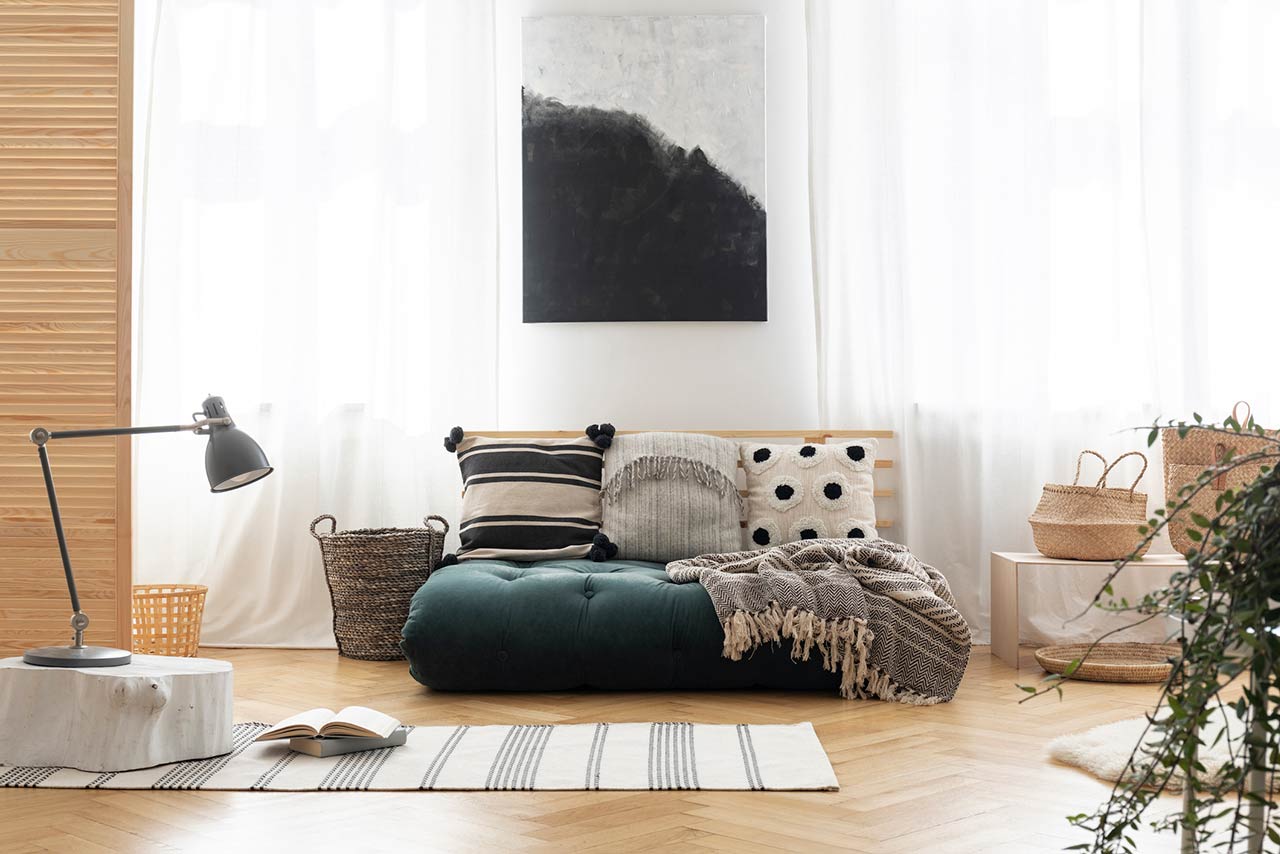
It’s a major transition from renting to buying a home, especially if it involves moving from a small, crowded apartment to a larger home. A new homeowner must deal with furnishing every room with chairs, couches, tables, and beds in addition to the endless stretch of blank wall space that needs to be filled.

Finding furniture entails not only filling space but also adhering to financial constraints because many first-time homebuyers are on a low budget. Fortunately, there are lots of reasonably priced solutions that will furnish those rooms without breaking the bank.

The first thing to understand is that nobody expects you to immediately have a house filled with furniture. Find the greatest appearance for each room by taking the time to comparison-shop. Make a list of your top priorities, starting with your basic need for food, sleep, and a shower. Until you have the money for an update, you can save money on a bed by forgoing the pricey headboard and footboard. Prioritize placing a bed without a headboard in guest rooms before focusing on other furniture pieces.

Choosing Within a Budget

Recognize that the decisions you make today do not necessarily have to affect the rest of your life in your new home. Accent tables, for example, can be cheaply bought and used while you shop for better options. You might even locate a cheap item that you like and can paint to match the style you desire for your home.

Multipurpose

Even if you have lots of room, furniture with several uses might be useful. A bed that serves as a desk and a dining room table that converts into a poker table for game night will give you more value for your money. Even a coffee table that makes it simpler to dine while watching TV is available. You will typically just pay a little bit more for two pieces of furniture than you would for one.

Be Thrifty

Thrift store shopping is more popular than ever thanks to the persistent shabby chic style. Tables, dressers, nightstands, and accent pieces are among the fantastic items that may be found at garage sales and thrift shops. As they downsize or upgrade to new furniture, homeowners frequently offer items for sale on Craigslist. You’ll probably be inspired by what you see while you browse, which will prompt you to decorate homes with the unusual furniture you locate.

Dorm Inspiration

Although seating can be pricey, if money is really tight, you might consider using furniture typically found in dorm dormitories. There are more appealing seating alternatives that are more reasonably priced if you’d like to go a little more posh. However, you’ll probably need to spend more money on a more expensive sofa or chair if you want real comfort. Look through yard sales and Craigslist for used furniture at bargain prices.

It can be difficult to furnish a new house, especially for first-time homebuyers with limited funds. You’ll be able to furnish your new home while staying within your budget by moving slowly and looking attentively for the greatest furniture deals.

6 Signs It’s Time to Replace Your Windows

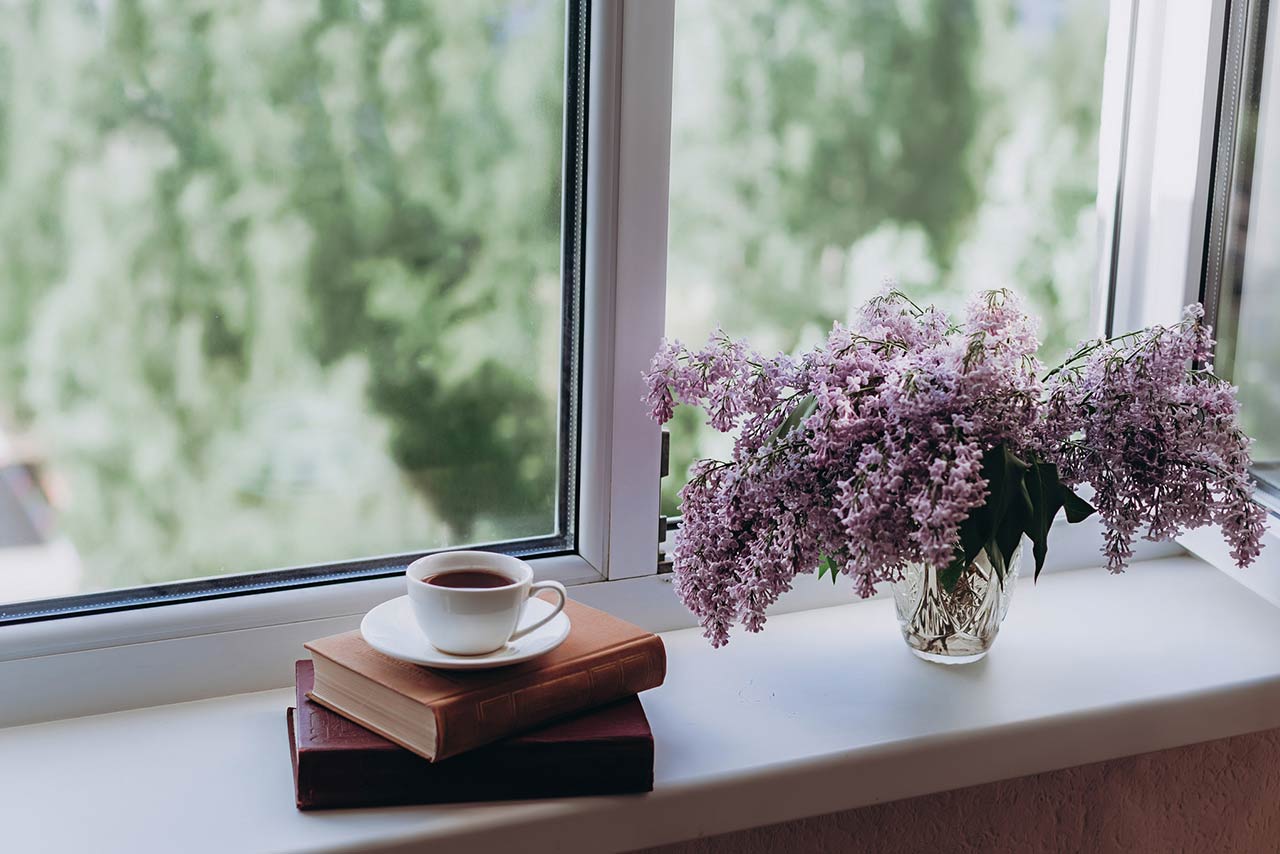
No matter how new your house is, window problems could arise at any time. They’ll eventually need to be entirely replaced. Windows don’t endure forever, even if they can last up to 20 years when they are of great quality and are maintained properly. Pay attention to them as they’ll show specific signs that it’s time to swap them for brand new ones.

Here are a few signs to watch out for so you can determine when a replacement is necessary.

1. Extremely High Utility Bills

Have you noticed a gradual increase in your utility bills? If nothing has changed, it’s possible that you’re losing energy from various sources, including your windows. Your HVAC system is working a lot harder than it needs to if there are window leaks that are letting too much indoor air out and vice versa. If your energy cost is significantly greater now than it was last year, it raises a concern.

2. They’re Warped or Decaying

If your windows are visibly decaying or damaged, it is one of the more obvious indications that they need to be replaced. They might only require a brief repair if the problem is quite minor. However, if the issue is more serious—for example, if there is a significant glass crack or frame bend—a replacement is usually a preferable choice. In addition to being unsightly, warped or rotting windows are likely causing energy loss, which may end up costing you much more money in the long run.

3. Outside Noise Is Not Effectively Suppressed 

Windows aren’t exactly sound proof, but they should be able to effectively drown out the majority of outdoor noise. If you’re trying to enjoy a quiet evening indoors and you can hear people’s conversations and passing cars as clear as a bell, maybe you need new windows with a more innovative and modern design. Single pane windows of yesteryear are certainly not going to be able to drown out the sounds coming from the outdoors like contemporary double pane windows would.   

4. Condensation Is Visible

Your windows may need to be replaced if they are frequently foggy and allowing condensation to build up. Thermal pumping causes double-paned windows to expand and contract continuously throughout the day. Sunlight heats up the space between the panes and causes the gas in there to heat up and expand. Pressure builds up between the two panes as a result of this. The space between the panes, on the other hand, shrinks at night as a result of the air between the panes cooling.

Over time, all of these frequent pressure changes can wear down the seal, resulting in minor fractures that allow air to enter and exit the gap between the panes. Condensation on your windows may be getting worse, which indicates that the glazing assembly needs to be replaced.

5. You Have Trouble Opening or Closing Them

Do you have to utilize every muscle in your body to just open or close your windows? If so, there is an issue. Sticking windows are not only a hassle, but you’re probably also wasting energy. Windows that don’t open or close correctly might also present a safety risk because they probably won’t be very successful at keeping scavengers out while you’re away.

6. They’re Old-Fashioned

In some cases, replacing your windows is only necessary due to a change in aesthetics rather than issues with energy loss or safety risks. If they’re outdated, swapping them out for newer, more contemporary ones can significantly transform the appearance of your house. You’ll not only make the interior appear much more upscale, but you’ll also improve the curb appeal.

The cost of replacing windows is high. Having said that, the money you can actually expect to save on electricity costs over time can help you recoup the money you first spent replacing them. The cherry on top is that you’re also reducing your carbon footprint on the globe.

8 Simple Ways to Update Your Home

There’s probably something in your home that needs updating especially if you can’t even recall the last time you switched things up. What could have been hip back in the day is undoubtedly displeasing today.

Here are 8 features in your home that are unquestionably making it look outdated, along with quick fixes for each.

WALL COLORS

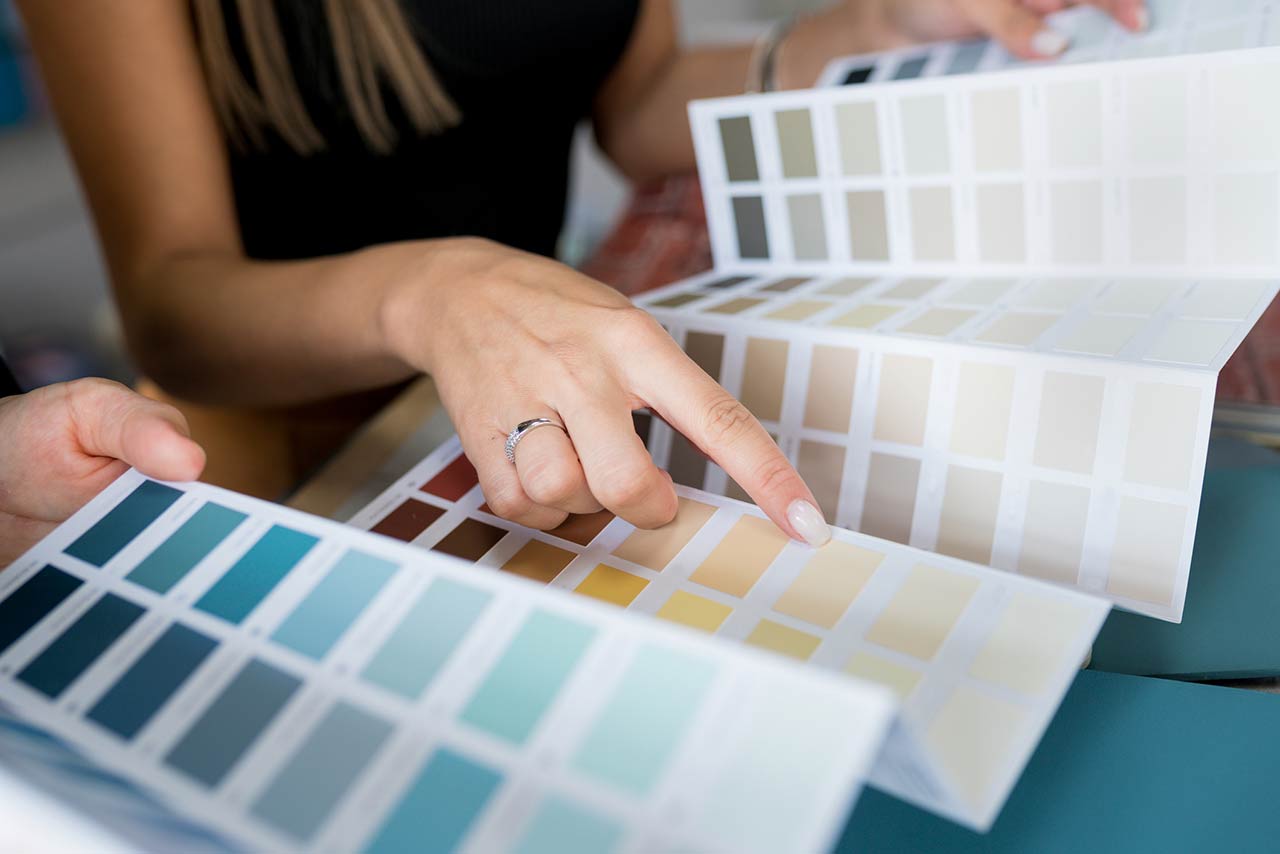
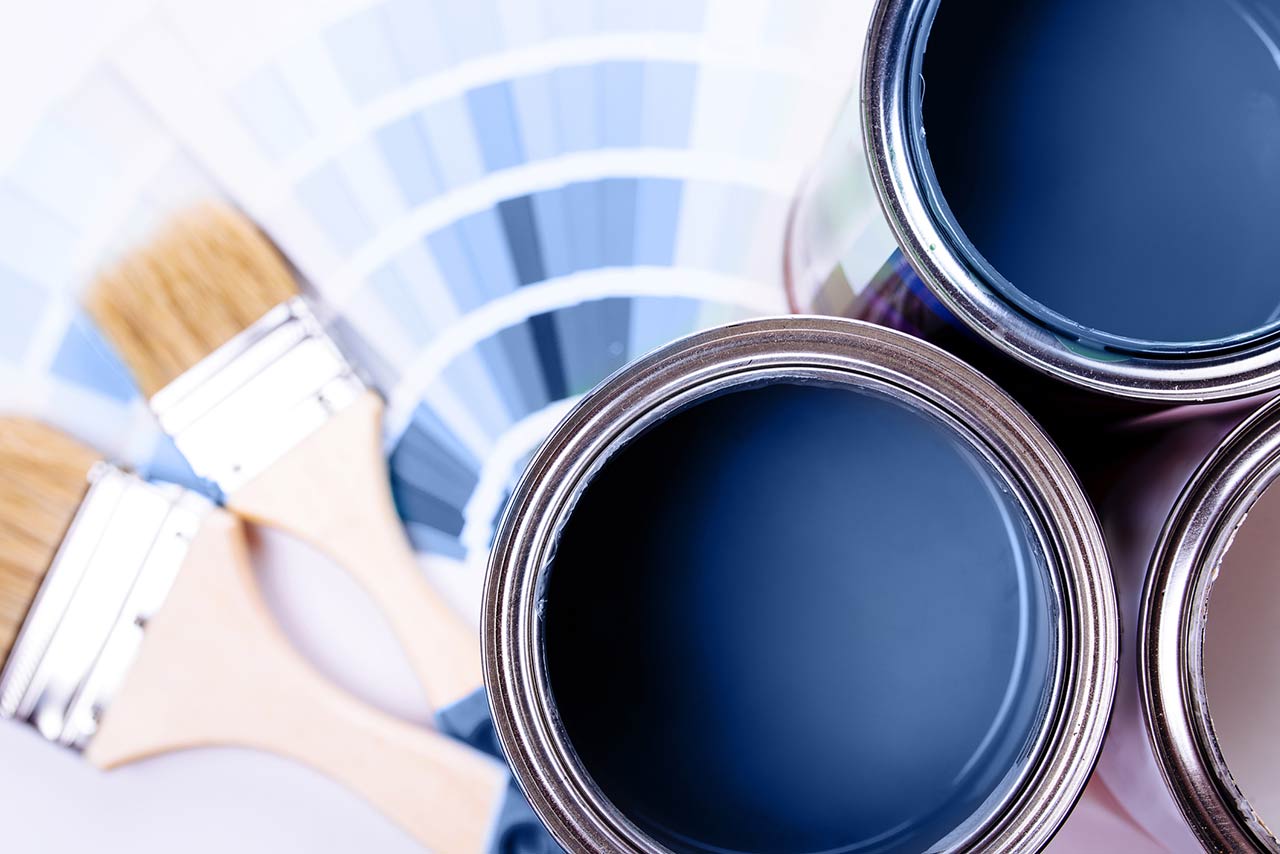
The color of your walls is one of the first things guests will see when they enter your house. It’s time for a change if your walls are still painted in blush, dusty rose, or even yellow. Fortunately, this is a simple remedy that just needs a few cans of paint and a little labor.

Think about painting the walls with a more timeless neutral color that will suit everyone’s tastes. Alternately, if you want to experiment with something currently in style, like a gray-green or something earthy, go for it. You can always repaint it next year.

WALL-TO-WALL CARPETING

More and more homeowners are replacing their wall-to-wall carpeting with more contemporary flooring, including hardwood, vinyl, or ceramic. In many cases, carpeting is acceptable, but you might want to think twice if it is soiled, shaggy, or has an uncomfortable bold color.

In this situation, you may choose to simply pull out the outdated carpeting and replace it with something more stylish and current. Thankfully, engineered hardwood has increased the number of accessible flooring options available today. You can create long-lasting, aesthetically beautiful floors that closely resemble wood with these materials.

OVERSIZED ENTERTAINMENT CENTER

What we’re discussing here is most likely familiar to you. Those enormous entertainment centers, large enough to accommodate your massive tube TV, a VCR, stereo system, and CD player. There was probably enough space to store VHS videos and books too.

These huge, out-of-date entertainment systems are no longer necessary because televisions are as flat as they possibly can be these days. Since they are usually installed on walls or over fireplaces, the use of these antique pieces of furniture is not justified. Replace that outdated entertainment center with floating shelves or another delicate, understated, and less imposing option.

OUTDATED FURNITURE

A sleigh bed. oversized sofas. You see what we mean. These antiquated furnishings can significantly age your house. It can be expensive to replace furniture with more contemporary pieces, but the time and money are well spent.

You might also consider refurbishing what you currently have if you don’t want to make a sizable dent in your bank account. Consider painting wooden furniture items a deep, rich color, or, for a more modern appearance, cover any loudly patterned sofas and chairs with a solid color slipcover.

LAMINATE COUNTERTOPS

Cheap sheet laminate countertops are a surefire way to make your kitchen look dated, especially if they are peeling apart. Yes, these materials are quite cheap, but saving a few dollars shouldn’t come at the expense of style.

There are other reasonably priced solutions that are more contemporary. For instance, granite is a stylish, modern material that is also getting more affordable every day. You should also think about quartz, soapstone, and even wooden butcher blocks for your kitchen counters.

OUTDATED WINDOW TREATMENTS

Remember back in the day when Grandma had valances and window treatments with pink and green flower patterns all over her house? Even while it could bring back some pleasant memories, these window decorations have no place in a contemporary house. Take down the cloth if you are guilty of using it on your windows, especially if it has fringed trim and tassels.

If privacy is not a concern, leave the windows open and take in the view while letting the light in. Alternately, take into account something more modern and classic, such draping drapes across a rod in a more muted and neutral fabric and print.

BRASS AND GOLD

Shiny brass or gold is just tacky, whether it’s used for bed posts, cabinet hardware, or lighting fixtures. When these items are taken out and replaced with ones that have other finishes, such brushed nickel, black, or chrome, you’d be shocked at the change that results. Simply go to your neighborhood home improvement store, where you can choose from a wide selection of the newest trends.

OLD WALLPAPER AND BORDERS

Even if it was popular three decades ago, this feature is also very out-of-date. Wallpaper borders are the epitome of excessive decorating from the 1980s. When they are placed immediately on top of wallpaper, they appear particularly antiquated. It’s time to scrape off any remaining wall bordering that has flowers, stars, vines, or other ugly patterns in order to give your walls a more consistent appearance.

Replacing these out-of-date features can significantly improve the overall look and feel of your home, whether you’re trying to improve its marketability or just want a fresh look for your personal aesthetic appeal.

5 Tricks to Make Your Small Kitchen Feel Bigger

For the majority of homeowners today, having a large, bright kitchen could be a dream come true, but tight budgets and small kitchen spaces can be quite challenging to overcome.

Fortunately, there are resourceful methods to improve your kitchen’s appearance and feel without going over budget.

REMOVE A WALL

If your kitchen is separated from an equally small living room by a wall, consider knocking it down. In fact, knocking down a wall is one of the easiest ways to open up the space in the kitchen, especially for experienced renovators and contractors. Sure, it might be the more expensive suggestion on this list, but for the price, it makes a huge difference.

If the wall is not load-bearing, you can expect to pay anywhere between $2,000 to $4,000 to take it down. However, if the wall is bearing the load of the second story, you could be faced with a much bigger bill considering the fact that structural issues will need to be factored in. But it could well be worth the cost when you see the finished product. Homeowners spend thousands and thousands of dollars on a brand new kitchen, and sometimes tearing a wall down is all it takes to completely transform the space.

BREAKFAST BAR

Instead of completely knocking a wall down, you could just tear down the upper half and leave the lower half intact. But to make it useful, consider turning that half wall into a raised breakfast bar, which can provide the space with some great functionality and practicality for more casual meals. Making the bar counter height is a contemporary way to update  the kitchen while making it feel bigger at the same time.

PLENTY OF LIGHTING

Lots of light is always a good thing when it comes to opening and brightening up a small space. To maximize the effect that lighting has on your kitchen, consider adding layers of different fixtures throughout the room. Add a chandelier over the dinner table; hang pendant lights over the breakfast bar; install under-mounted lighting your cabinets; and brighten the inside of your cabinets with pot lights.

Keep the color of the lighting the same as the wall color and/or cabinets to boost the effect of the lighting in the kitchen. Lighter colors are always best in small spaces, as they reflect light and create a sense of space. When the same light colors are blended throughout various components, the effect of a larger space is even more enhanced.

CONSIDER THE SCALE

Having too many cabinets or an oversized dinette set will only make the kitchen look cramped. Instead, you should focus on things like a slim kitchen island, streamlined furniture pieces, and just enough cabinets to house all your utensils without taking up every square inch of the wall space. Everything that’s installed in the kitchen should fit to scale in order to avoid making the space look smaller than it really is.

CLEAR THE CLUTTER

Nothing encloses a space more than clutter. And when it comes to the kitchen, the countertops can be easily crammed with dishes, utensils, bills, and anything else that you didn’t have the time to put away. For a cleaner, more streamlined look, clear off the clutter. It’s easy, fast, and doesn’t cost a cent.

While there are invasive and expensive ways to enlarge your kitchen space – such as physically expanding your home – there are simpler, more affordable ways to do so. Use a little imagination, and play up visual illusions in your space to make your kitchen look and feel more spacious.

How Solar Lights Can Light Up Your Exterior & Save You Money

Exterior lights have a variety of uses for a home. They light up pathways to help residents and guests see at night. They add to the ambiance of a home, casting light on landscaping and illuminating the front of a home. They also provide an element of security, since nighttime burglars tend to seek out homes that will allow them to hide under the cover of darkness.

However, setting up landscape lighting can be complicated. Hiding the cabling involves digging a trench, with the cabling connecting back to a main outdoor power plug. If you have a large coverage area, this process will involve quite a bit of trowel work. The most complicated part comes if you’re one of the many homeowners without a GCFI outlet on the outside of your house. Then you’ll need to pay an electrician to install an outdoor outlet.

Solar lighting can provide an easier alternative to electrical wiring. These lights can be installed by merely inserting them into the ground. There will be no digging or cabling and you can start enjoying nighttime lighting within a day or two. Solar lights are also more environmentally friendly and since they’re completely off the grid, you won’t have to pay your local utility company to power them. Here are a few things to keep in mind if you choose solar lighting for your own home’s exterior.

Preparation

The first thing you’ll do after pulling your solar lights out of the box and inserting batteries is to charge them fully. Unlike traditional battery-powered products, this doesn’t involve plugging them into an electrical outlet. You’ll simply place them in direct sunlight for 12 to 14 hours. For maximum effectiveness, leave the lights in full sunlight for two 12 to 14 hour periods.

As you wait for your lights to charge, map out the areas where you’ll place the light. Make sure each light will receive direct sunlight without obstruction. If an area of the yard is shielded by trees or an overhang during the majority of the day, you’ll likely find it produces very little light at night.

Enjoying the Lights

For best results, you should water the soil in each spot a few hours before you plan to install them. Installation requires merely pushing the stake into the ground and waiting for nightfall. Don’t expect 12 full hours of bright light, however. Solar lights usually produce a less intense light for a shorter amount of time than electrically-powered lights. Eight hours of direct sunlight will often produce six to eight hours of nighttime light.

Maintenance for solar-powered lights is almost as easy as installation. Simply wipe the solar panels occasionally with a wet cloth to remove the dirt that builds up over time. A small amount of dish soap can be used for more stubborn dirt buildup. This will allow the sunlight to get through the lens, making it more efficient.

Solar lights are a great alternative to electricity-powered landscape lighting. They’re easier to install, environmentally friendly, and they’ll save money on utility bills. With the right placement, solar power can provide hours of electricity-free light each evening.

Most Frequent Regrets of First-Time Homebuyers

When looking at houses, first-time homebuyers have a lot in common. They frequently fall in love with a house right away and become overly emotional. When they lose a bidding war, they feel overwhelmed and devastated.

They also commit a lot of errors. Here are some rookie mistakes that first-time house purchasers frequently make and immediately regret.

BEING FAR TOO PARTICULAR

Making a list of all the attributes in a house that are great for you is undoubtedly vital. After all, buying a home will likely be the largest purchase you will make, so you want to be sure you get what you want. But being so rigid that you won’t accept anything that doesn’t contain all of the qualities you specified will not get you anywhere. It’s sometimes important to make a small concession.

House hunters on a budget may need to make some compromises unless they have millions of dollars to invest. To eventually choose a home, you might have to put up with the antiquated furnishings, make a few minor improvements, or even give up the home office. If you won’t make a concession, you can miss out on a property that you later realize might have been the best choice.

MAKING TRADE-OFFS ON THE IMPORTANT THINGS

The contrary is also true, notwithstanding the drawbacks of being overly fussy. It’s reasonable to assume that some level of compromising will be required in order to afford your first home, but you shouldn’t make a concession you’ll regret right away.

If you anticipate needing at least three or four bedrooms to accommodate a growing family, don’t purchase a home with only two bedrooms. In a similar vein, avoid purchasing a bachelor condo just because it is considerably less expensive than a house, especially if you know how much you loathe using an elevator to enter and exit a building. Making concessions is fine, but don’t forego what’s really important to you.

NOT OBTAINING A MORTGAGE PRE-APPROVAL

Avoid looking in areas for houses that are way out of your price range. If you fall in love with a home only to learn that you cannot afford it, you will be very disappointed. Getting pre-approved for a mortgage is the greatest way to determine exactly how much you can afford to spend on a home before you ever begin looking.

If you don’t, you’ll not only be wasting your time, but the seller’s time as well.

Although a mortgage pre-approval doesn’t guarantee that a loan will be approved, it’s still a terrific tool to help you focus your search for a home and expedite the purchase agreement process once you’ve found the ideal place.

REFUSAL OF THE HOME INSPECTION

Even though you might be eager to sign the lease and begin bringing your stuff in, you need to first determine the condition of the property. The last thing you want to do is invest in a money pit that will only use your money to cover significant flaws that you were unaware of before signing the deal. You will have the chance to ensure that the house is in good condition before you find yourself in a difficult financial situation if you include a home inspection clause in your purchase agreement.

In an effort to save money, about 10% of homebuyers forgo having their new residences inspected before finalizing the deal. However, picture having to pay tens of thousands of dollars to fix a leak.

ABSENCE OF A REAL ESTATE AGENT

Choosing not to use a realtor is one of the biggest mistakes made by homebuyers. The typical person may find it confusing to deal with all the disclosure forms, inspection reports, mortgage paperwork, insurance policies, and other intricate and detailed documentation needed to purchase a home. It requires understanding the appropriate asking price for a specific house in a particular neighborhood. Along with strong negotiation skills to make the acquisition price as low as possible, the procedure also involves an acute eye for any issues with the property.

You’ll benefit from having a real estate agent on your side in all of these situations and more. If you don’t hire a realtor, you could end up making a lot of expensive blunders.

With the aid of a knowledgeable real estate agent at your side, you can avoid a lot of common mistakes made by first-time homebuyers. Pay attention to their recommendations and spend the time necessary to consider every aspect of a potential house you’re considering making an offer on.

Common Reasons Why Your Houseplants Are Dying, and How You Can Save Them

While some people are excellent at keeping plants healthy and happy, others are equally adept at killing them. We all have good intentions when we bring a plant home, but unless we learn a little about them, their demise is almost certain.

There are a few things you could be doing to end their lives. Here are some of the mistakes you might be making.

Under Watering

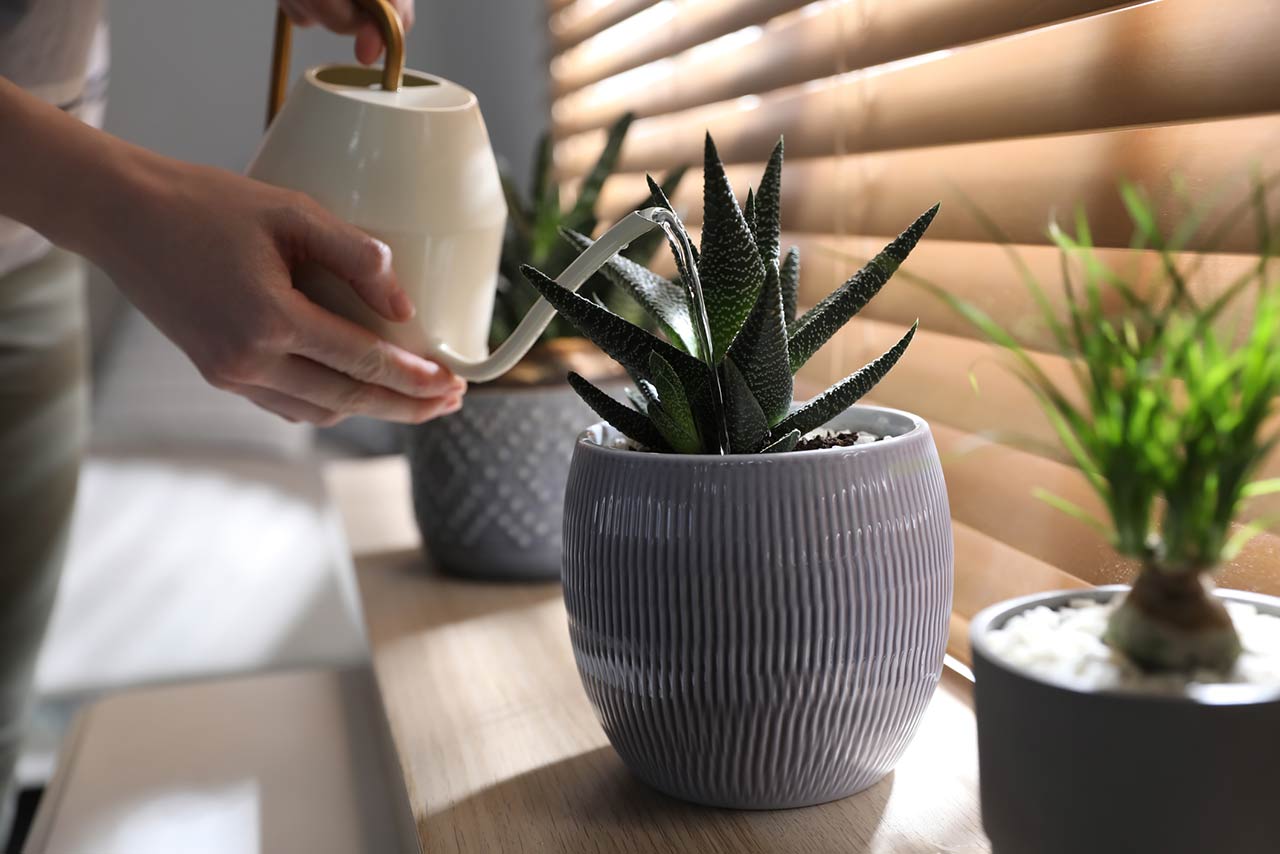
Many homeowners only water their plants when they remember too. Watering once or twice a week will not suffice if you want your plants to remain healthy and vibrant.

A plant watering schedule can be extremely useful in this situation. Rather than racking your brains to remember when you last watered, a schedule will keep you on track. You should also learn exactly what kinds of plants you have and how frequently each breed should be watered in order to provide them with the proper amount.

Check to see if the soil feels dry by putting your finger in it. Every time you water the soil, be sure to completely moisten it and make sure the water runs out into the pot’s drainage holes.

Over Watering

On the other extreme, you should try to stay away from overwatering your plants, which will only cause the roots to rot. Although you would believe that more water is better for your plants, this may not be the case. When it comes to how much water a plant needs, different plants have varying requirements.

Finding your plants’ ideal moisture level is the greatest solution. Others must remain damp, while some prefer to totally dry out before being watered once more. For information on how much water to give your plants to ensure their success, go to the care instructions.

A word on drainage: Just because the pot your plant is in has a bottom hole doesn’t mean that it will provide enough drainage. To prevent the roots from rotting from excess moisture, you need to fill these holes with proper drainage material at the bottom to give the water somewhere to go.

Insufficient or Excessive Sunlight

You can’t simply place a plant on any window sill and trust that the light it receives would be suitable for it. You have no idea that it is either wilting from a lack of sunlight or scorching from the rays.

Every plant you purchase will have a tiny tag attached that details how much sunlight it prefers. While some people can survive in only minimal sunshine, others are tough enough to do so. Think about the angle the sun is coming in through your windows.

Choose plants that prefer shadow or partial sun, for instance, if your light comes from the north or the east. On the other hand, southern or western facing windows are good for plants that like full sun. Just keep in mind that for the plant to live, the light must be sufficiently enough for you to read a book without turning on the lights.

Extreme Temperatures

Consider the temperature at which you would feel most comfortable. The majority of plants prefer temperatures that are similar to our own. The ideal temperature is between 65 and 70 degrees Fahrenheit; it’s neither too hot nor too chilly, but right.

Keep an eye on the weather outdoors if the plants are near a window. The longevity of your plant might be negatively impacted by the sweltering heat of the summer and the bitter cold of the winter. Also consider the effects of the heater or air conditioner, as they can dry out your plant.

The plants should be okay if you’re comfy. Please make sure to carefully read the care card for temperature details.

Don’t Forget About the Insects

Insects view plants as targets, and the most infamous indoor plant eaters are gnats, spider mites, and white flies. You may be sure that one of these bothersome bugs has been feeding on the leaves of your plants if you discover any unexplained holes.

Consider waiting 30 days before adding new plants to the area where other plants are kept to ensure that insects don’t damage your plants. Insects can be repelled by removing weak plants, washing leaves with soap and water, using seaweed mulch, and other methods.

If you do detect pests harming your plants, identify the type of bug it is first before using a natural cure to get rid of it. It’s important to note that some insects, including ladybugs and praying mantises, are good for your plants.

A home’s design and the life they bring are greatly enhanced by plants. You can still take action to change your situation even though you’ve been a serial plant murderer up until this point. Start with hardy, simple-to-care-for plants; once you get the hang of it, it will be easier and more enjoyable to keep them. Make sure you first do your homework.

Upgrade Your Front Door Color for Instant Curb Appeal

Your front door is the first thing people see when they visit your home and should serve as a welcoming point for your guests. Repainting your front door is an easy and affordable upgrade that will instantly increase your homes curb appeal. You can choose any color you’d like for this upgrade but the one you choose should be inline with your overall design style. Here are some tips on how you can make yours standout or match the overall aesthetic of your home.

MAKE A STATEMENT BY USING A BOLD COLOR

Don’t be afraid to use a bold color that makes a statement and really shows off your design style. This is where you can get creative, but remember this is something you’ll see everyday as you pull into your driveway. You can go with a bright color or set the mood with something dark and sleek. Some trending colors from this year are blacks, reds, light greens, and blue hues.

KEEP IT CLASSIC

Maybe using a bold color isn’t your cup of tea and using a classic color is more inline with your design taste. The good news is that classic colors can look great too. Classic colors have more neutral hues and consist of grays, browns, or blacks. These can also be incorporated into a stain if you’d like to showoff some wood grains as well.

WHAT ABOUT THE TRIM?

Think about your front door trim as the frame that surrounds your favorite piece of art. You can paint the trim the same color as your newly painted door or you can choose another color that might prevent it from blending in with the color of your home. It will look best if you keep the door trim consistent with the rest of the trim on your home if you decide not to paint it the same as the door.

EVERY HOME HAS A STYLE

The overall style of your home will guide your decision making process when choosing your new door color. But your personality and design style should not be overlooked as it’s important to make a bold cohesive statement. There aren’t any rules and it can always be repainted easily if you’re not happy with the result as time goes on.

TRY IT FIRST

Most paint stores offer small samples that are inexpensive and can be tested before you paint the entire door. You can test each color by painting small sections of the door which will allow you to see the results with proper lighting and textures. Or, you can make squares out of white poster board and tape these to the door. The poster board approach might be the best route to take if you’re unsure about the colors.

Easy Money Saving Tips That Will Help Reduce Your Monthly Expenses

How we spend our money has changed a great deal over the past few years. Whether you’ve saved more or depleted your savings, we all need some financial inspiration to help us save where we can. Check out these tips, and you’ll be amazed at just how much money you can save with very little effort.

DON’T PAY INTEREST

Put a plan in place to get rid of credit card debt that you’ve accumulated over the years. You might not have a magical solution available to wipe this debt away, but that’s okay. You can achieve the same thing by transferring your debt to a card with 0% interest for a fixed period (six months to nearly two years). This will allow for you to pay off a set amount each month while avoiding paying for interest.

SAVE FIRST & SPEND LATER

You should always pay yourself first, as it’s a great step towards your financial freedom. Use the 50/30/20 budgeting method that can help you manage your money more effectively. This means that 50% of your after-tax pay goes towards your needs (food, bills, gas, etc.), 30% goes towards your wants (eating out, clothing, etc.), and 20% goes towards your future (savings, emergencies, paying off debt). Unfortunately, this rule won’t work for everyone due to individual circumstances, such as living in an area with a high cost of living. You can adjust these percentages as needed so it fits your individual situation.

DON’T SPLURGE ON PAYDAY

Recent surveys shows that roughly 32% of Americans run out of funds before payday. This includes those with a higher income (over $100K) and not only those living paycheck to paycheck. Try limiting situations that trigger you to spend more, stick to a budget (50/30/20), or switch to cash and leave your cards at home. Follow these suggestions and always ask yourself if you really need it?

USE AN INCOGNITO BROWSER

Using an incognito window when shopping online will help you save money by automatically deleting browsing history when the window is closed. This will help you avoid dynamic pricing, which is when retailers alter their pricing based on your browsing and purchasing history. Yes, this really happens! Giving online retailers less to track will also limit the number of promotional emails and ads you see on a daily, which will reduce the temptation to spend.

SHOP OWN BRANDS

Every supermarket has its own brand of products, and these are always a cheaper alternative to name brands that are sold at a higher price. Switching from name branded products to own brands is an easy way to save money on your next grocery bill. In most cases you can barely tell the difference when it comes to the taste and quality of these products. It’s easy to always reach for that branded label you’ve always enjoyed, but making the switch is worth a try. This might not be significant if you’re a serious couponer as coupons are geared towards name brands.

WEATHER THE STORM

If we’ve learned anything over the past few years it’s that having rainy day funds is more important than it’s ever been. It’s possible that yours might be depleted or maybe you never had one to begin with. It’s never too late to start saving, so put some money aside and start that rainy day fund. As a rule of thumb, it’s a good idea to have three months of income set aside for emergencies, and six months if you have a mortgage.

Creating A Sustainable Home Garden

It’s nearly impossible not to be bombarded with news and information about how much safer and healthier organic food is for our bodies. Although, we also know how much more expensive organic produce can be.

SO WHY NOT GROW IT IN YOUR OWN YARD?

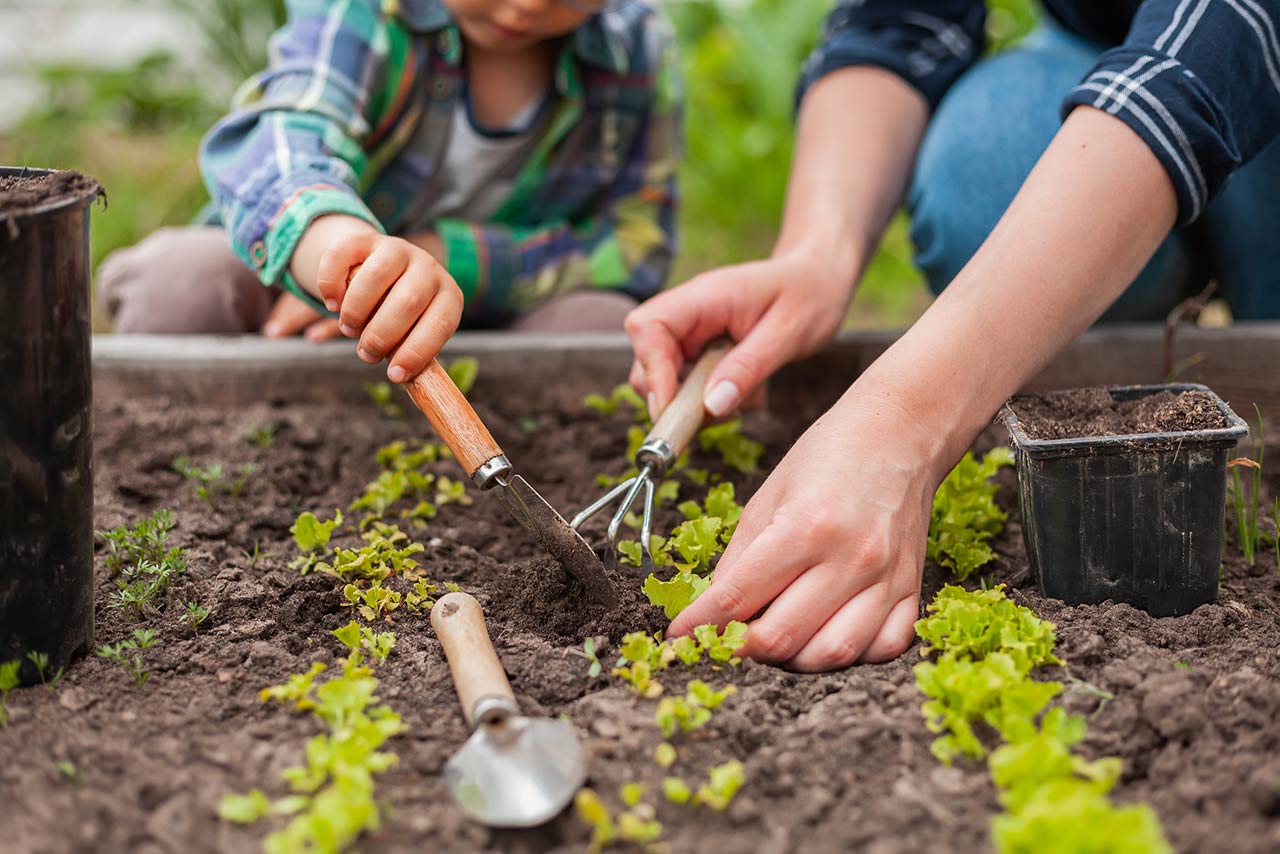
Contrary to what some may believe, growing a home garden doesn’t require extensive farming experience or the latest tools of the trade. It’s actually a lot simpler than that, and can help make your home a more sustainable one for you, your family, and even the environment.

WHAT ARE SOME OF THE ADVANTAGES OF HAVING A GARDEN AT HOME?

First of all, let’s go over the benefits of having a home garden:

Quick access to fruits and veggies – Instead of having to run to the grocery store every time you run out of salad or fresh basil, you can just stroll on over to your backyard to fetch some. Save yourself time and gasoline by foregoing the daily trip to the supermarket and visit your home garden instead.

Gain control over the food you eat – Even when food products are labeled “organic,” not knowing exactly who’s growing the food and how they’re handling it can be bit unsettling. Instead, by growing your own fruits, vegetables, and herbs, you gain control over exactly what chemicals are being used, or avoided altogether. That way, you truly know just what you’re putting in your mouth.

Reduce your carbon footprint on the environment – Having a home garden allows you to make a positive environmental impact. You can start a compost pile where you can recycle certain yard and kitchen waste products to produce a nutrient-rich additive for the soil in your garden. Not only does this create a natural fertilizer for your plants, it also minimizes the waste that you produce. And if you decide to avoid the use of chemicals, you can even reduce pollution and groundwater contamination.

Enjoyment and satisfaction – For many homeowners, watching their gardens go from seeds to fruit- and vegetable-bearing plants can be a real source of accomplishment and enjoyment. Seeing your hard work come to fruition can be really rewarding.

HOW TO GET YOUR OWN HOME GARDEN STARTED – AND FLOURISHING

Follow these tips to ensure you garden grows healthy, abundant plants, and trees to feed your family, and maybe even give you enough leftovers for the neighbors!

Test the soil – One of the first things you should do is make sure that the soil you plan on planting your seeds in is fertile enough to produce healthy plants. It’s pretty easy to do this – all you need is a cheap soil test kit that you can find at your local nursery.

By doing so, you’ll be able to identify whether or not the soil has too high of an alkaline or acid content. Once you’re armed with this info, you can add fertilizer and compost accordingly. While many plants will do well with balanced pH levels, others might prefer soil that’s a little more on the acidic side, and would therefore benefit more from plant-based fertilizers. Other plants do better with manure – it all depends on what you’re planting.

Find out which plants are ideal companions – Not every plant necessarily does well when placed beside specific plants. Find out which types of plants do well when they’re planted side by side. For instance, tomatoes and basil plants do well when planted beside each other; the basil boost the flavor of the tomatoes, and this combination also repels mosquitos. On the flip side, onions and asparagus aren’t the best of companions, and should be planted away from each other.

Make your own compost – Not only is this easy, it’ll also cut down on your household waste. A bunch of things can be added to your compost, such as leaf clippings, food scraps, and other organic items. Keep a compost both indoors and outdoors to make it easy and convenient to continue adding to it.

Add flowers to the vegetable garden – Even though your goal is to grow vegetables and fruit, consider adding some flowers to the garden. Not only will they enhance the beauty of the garden, but they’ll also attract the good bugs that eat plant-destroying aphids, and encourage cross-pollinating.

Add mulch – Adding mulch to the garden will help keep the weeds at bay, help the soil retain moisture, and protect the roots of the plants.

Grow fruit trees that fit your space – Depending on how much space you have to work with, you’ll need to figure out which fruits trees will be suitable in the space you have. A full-sized fruit tree will need an area that’s approximately 25×25 feet big. If you live in an urban area where space is limited, consider dwarf fruit trees; these little trees can thrive in as little as 3×3 feet of space (though they prefer 4×4 feet).

You may also choose to grow semi-dwarf fruit trees against walls to save some space. Dwarf fruit trees bear fruit sooner, so you can start enjoying your peaches or apples with less waiting time. Just be aware that the majority of fruit trees need two of the same type of fruit to cross-pollinate and produce fruit.

Don’t forget to water! – Depending on how much precipitation you get and what you’ve got growing, your garden will need to be watered at least 2 or 3 times per week. Do your homework on the plants you’re growing so you know exactly how much water they require.

As a general rule of thumb, it’s ideal to water either first thing in the morning, or later on in the evening, as watering during the afternoon when it’s particularly sunny and hot can actually burn the plants.

The freshest, safest, tastiest, and most economical fruits and vegetables that you’ll ever eat can easily be grown in your own backyard. Within a few short weeks, you can be bringing your own produce to the dinner table!